Holiday Indulgence: Curated Champagnes, Wines + Spirits Worth Savouring

The holidays arrive not simply as a date, but as a shift in rhythm, a soft glow settling over the season, where ritual, elegance, and togetherness take centre stage. It’s the moment when the bottles we open matter just as much as the company we keep, and when craftsmanship becomes part of the celebration.

Starting this week, I’ll be launching an editorial series dedicated to the most compelling champagnes, wines, and spirits of the season. Each bottle is selected for its pedigree, its precision, and the narrative woven through its creation. Think heritage, terroir, and the subtle artistry that defines truly exceptional producers and distillers.

Each instalment will unveil standout labels, complete with tasting notes, pairing inspiration, and glimpses into the wine tourism landscapes that bring these bottles to life. These aren’t mere recommendations; they’re curated experiences, designed to transport, enchant, and elevate your holiday table.

Whether you’re leaning into intimate fireside evenings or hosting gatherings that shimmer long past midnight, this series is crafted to inspire. Follow along for weekly editions that let the season unfold in layers of flavour, culture, and holiday sophistication, making every pour feel like a moment worth savouring.

Liz Palmer
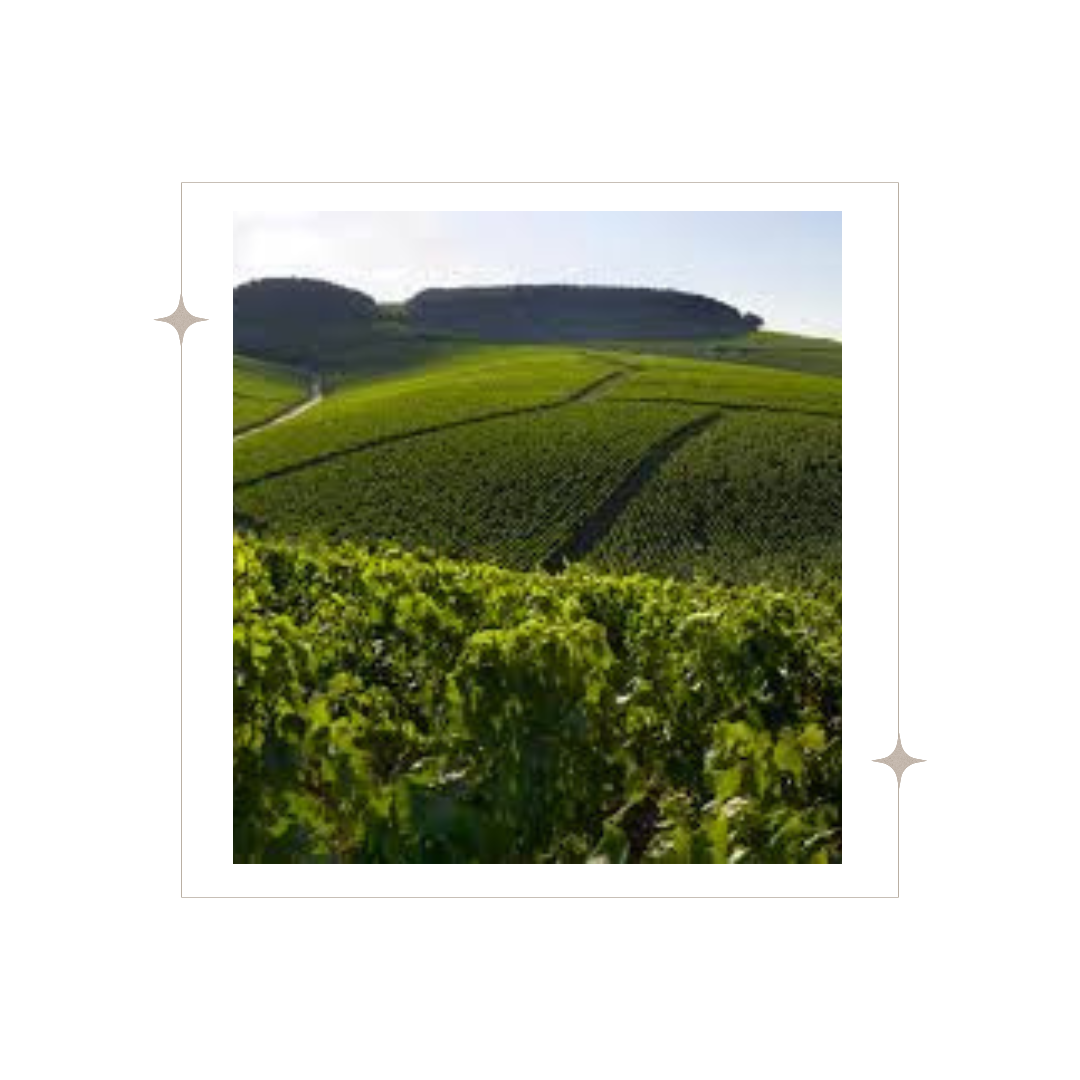
Adapting Terroir to a Changing Climate: An Overview of Chablis’ 2025 Vineyard Regulation Reforms

The 2025 regulatory revisions for the Chablis appellation represent a strategically calibrated response to accelerating climatic pressures. The adjustments—ranging from reduced vine density to higher authorized yields are intended to reinforce vineyard resilience without compromising the appellation’s stylistic integrity. These changes, outlined by The Drinks Business and corroborated through EUR-Lex, signal a regional shift toward adaptive viticultural governance.

The most consequential reform concerns vine density, which has been lowered from 8,000 to 5,500 vines per hectare. This reduction widens row spacing and improves accessibility for mechanization, particularly on slopes where labour constraints and erosion pressures intersect. Expanded spacing norms, averaging up to 1.20 metres, and reaching 1.60 metres on steeper gradients, provide growers with enhanced flexibility. In irregular blocks, spacing may now extend to 2 metres, acknowledging the topographic complexity of the Chablis landscape.

Revisions to yield thresholds similarly reflect an attempt to stabilize production under increasingly erratic weather. New maximum yields now reach 75 hl/ha for standard Chablis (previously 70 hl/ha) and 73 hl/ha for Premier Cru (up from 68 hl/ha). These adjustments offer producers a buffer against frost events, hail episodes, and challenging ripening conditions—phenomena that have become emblematic of recent vintages.

Changes to trellising requirements deepen the focus on canopy management. A minimum foliage height equal to 0.6 times the row spacing is now mandated, supported by structured trellising systems. This emphasizes balanced vegetative growth, improved light interception, and better control of disease pressure; central pillars of contemporary cool-climate viticulture.

These reforms operate alongside long-standing regulations that continue to define the Chablis identity. Chardonnay remains the sole authorized variety, while the hierarchical appellation system, Petit Chablis, Chablis, Premier Cru, and Grand Cru, maintains its established parameters. Minimum alcohol levels (9.5% for Chablis, 10.5% for Premier Cru, and 11% for Grand Cru) remain unchanged, preserving the sensory and structural benchmarks of the region. The geological foundation of Chablis, its Kimmeridgian limestone soils, continues to be recognized as the primary determinant of minerality. Traditional protective practices persist, now complemented by an increasing emphasis on sustainable farming.

Together, these updates depict a region actively reconciling heritage with necessity. Chablis is preserving its historical identity while embracing adaptive strategies capable of sustaining quality and viability in an era defined by climatic volatility. The 2025 framework stands as a model of regulatory evolution rooted in both tradition and foresight, an approach many wine regions are now compelled to consider as environmental uncertainty intensifies.

The Michelin Guide Expands Its Expertise in Recommendations and Introduces a New Distinction in the World of Wine

For 125 years, the MICHELIN Guide has celebrated places and talents that embody excellence in gastronomy and hospitality, with the MICHELIN Stars introduced in 1926 and the MICHELIN Keys launched in 2024. This expertise now naturally extends to wine, a key reference in the gastronomic experience. The MICHELIN Guide has long highlighted exceptional wine lists and sommeliers, notably through the ‘wine’ pictogram created in 2004 to distinguish outstanding food and wine pairings. In 2019, the MICHELIN Sommelier Award was introduced to honour professionals whose expertise enhances the guest experience through exemplary mastery of wine selection and service.

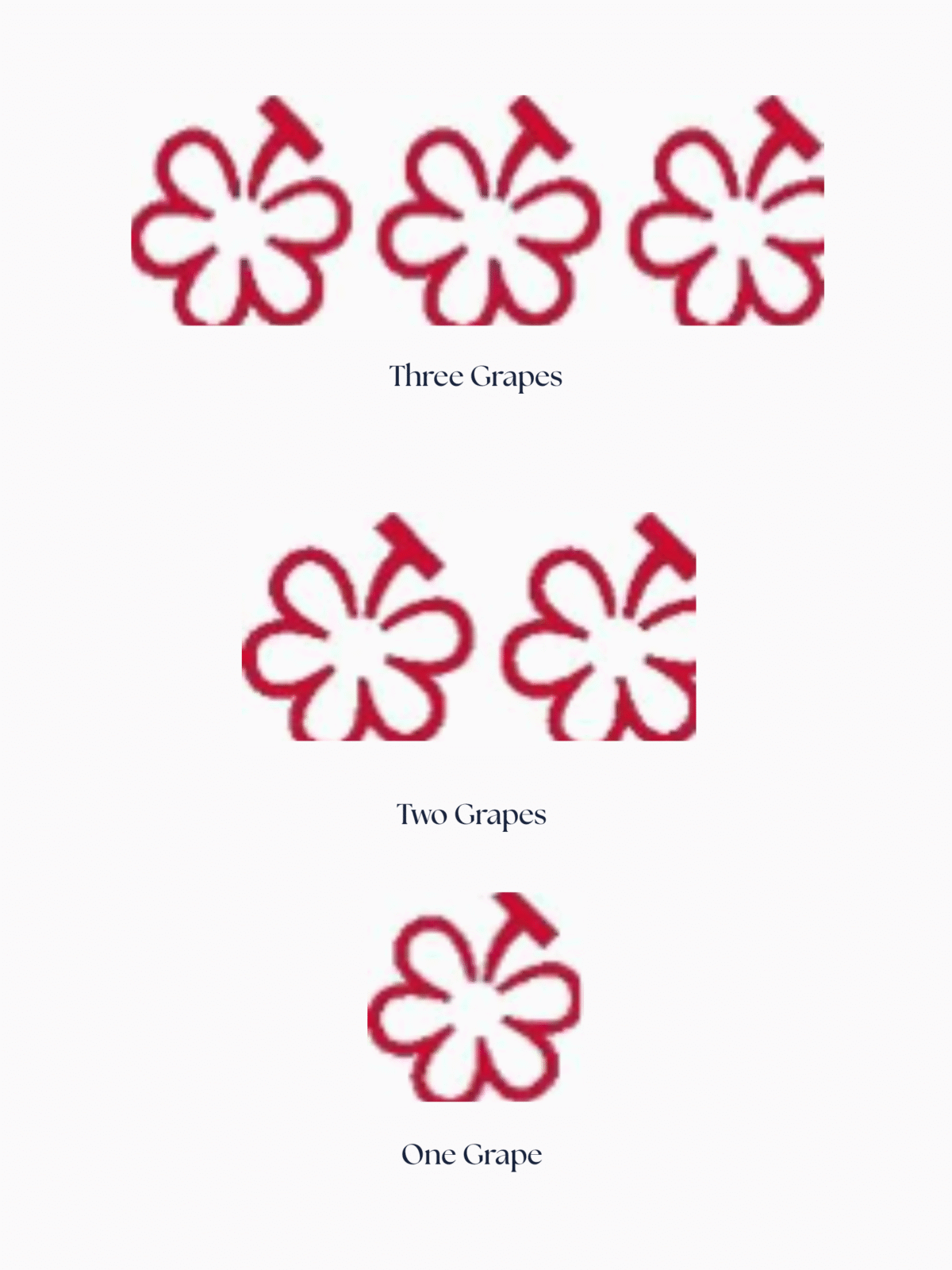
The MICHELIN Grape, MICHELIN Guide’s new distinction, will now spotlight wine estates across different regions of the world. It will assess their overall excellence based on five universal criteria applied consistently.

Gwendal Poullennec, International Director for the MICHELIN Guide, explains:

” After having oriented wine-lovers towards the finest tables in more than 70 destinations and to the world’s most elegant hotels, the MICHELIN Guide is delighted to open a new chapter with the world of wine. This new reference is designed for both the curious amateur and the most ardent expert – it rewards the men and women who are building the most demanding vineyards around the world.” 

The MICHELIN Grapes: a new reference for discovering and showcasing wine-growing talent

In the world of wine, the MICHELIN Guide rewards not only the vineyards but also the men and women who personify them. With this new distinction, the Guide will be using a strict and independent methodology – it will also provide wine-lovers with a trusted benchmark: Grapes 1, 2 or 3 and, additionally, a selection of recommended vineyards.

  Three Grapes

Exceptional producers. Whatever the vintage, wine lovers can turn to the estate’s creations with complete confidence.

  Two Grapes

Excellent producers who stand out as exceptional within their peer group and region for both quality and consistency.

One Grape

Very good producers who craft wines of character and style, especially in the best vintages.

Selected 

Dependable producers who have been chosen for regular review, producing well-made wines that deliver a quality experience.

Here is the methodology based on 5 criteria: 

For its new distinction, true to its fundamental values of excellence and independence, the MICHELIN Guide applies five criteria uniformly and wherever it may be.

  1. The quality of agronomy
    The assessment evaluates the vitality of the soil, the balance of the vine stocks, as well as the care provided for the vines. All essential factors that directly influence wine quality.
  2. Technical mastery
    The evaluation focuses on the technical skills in the wine-making process. Our inspectors are seeking precise and rigorous wine-making processes producing well-developed wines which reflect the terroir and the vine types, without any distracting flaws.
  3. Identity
    The Guide will highlight winemakers who craft wines that express the personality, the sense of place, and the culture behind them.
  4. Balance
    Evaluation of the harmony between acidity, tannins, oak, alcohol, and sweetness.
  5. Consistency 
    Wines will be evaluated across multiple vintages to ensure unwavering consistency in quality, even in the most challenging years. The Guide celebrates wines that reveal greater depth and excellence as time goes by.

    Expertise at the heart of the assessments 

Future selections will rely on the expertise of dedicated wine inspectors, all professionals employed by the Michelin Group. This team, which makes its recommendations collectively and with complete independence, will bring together seasoned wine specialists and newly recruited inspectors.

All team members have been selected not only based on their qualifications, but also on their ability to assess a vineyard with rigour and integrity. They are all seasoned professionals in the sector, i.e., former sommeliers, specialized critics or production experts, all bringing concrete and in-depth experience of the wine-producing world to the team.

Their assessments follow a rigorous methodology, including a panel review process and editorial supervision.

In 2026, the MICHELIN Grapes adventure will be writing its initial chapter in the heart of two mythical French wine-producing areas: Burgundy and the Bordeaux region

The MICHELIN Grapes project will start with two regions among the most emblematic in the worldwide wine-producing landscape: Burgundy and the region around Bordeaux. A compelling choice, celebrating the diversity, the historical intensity and the cultural richness of wine à la française.

Over the centuries, Bordeaux has established itself as a historic force in the world of wine. Its distinguished vineyards and their reputation go far beyond our borders.  The entire prestigious Bordeaux region is renowned throughout the world for its innovations and its traditions.

Burgundy, for its part, differentiates itself by its approach, deeply rooted in the local heritage. Its human-sized, family-owned vineyards reflect rigorous traditions and care imposed at each stage in the production process. From generation to generation, legacies have curated the local identity and forged the worldwide reputation of Burgundy.

Stay tuned in 2026 for the very first selections of the MICHELIN Grapes.