The Region of Champagne Takes the Lead on Climate Change

tiffany 053At a time when Paris is hosting the COP 21 talks that could pave the way for an agreement on combating climate change, the Champagne Region is contributing to the international effort through its pioneering commitment to sustainable and responsible wine-growing.

Global warming in the region is a fact: temperatures have increased by close to 1.2°C in 30 years and the blossoming and grape harvest dates have moved forward by a fortnight. “The Champagne Region very quickly grasped that climate change was a priority issue and we were duty-bound to plan ahead”, explains Vincent Perrin, the director general of the Comité Champagne.
The whole Champagne Region began to get involved in the 1980s, implementing solutions to protect the environment (technical specifications, decision-making tools, advice and support).

In 2003, Champagne was the world’s first wine-growing region to calculate its carbon footprint and implement a carbon plan which enabled several focus areas to be selected (sustainable wine-growing, transport and freight, building energy efficiency, responsible procurement and fostering active involvement) and led to truly innovative solutions being developed, such as reducing the weight of Champagne bottles by 7%.

In a decade, the region has managed to cut its greenhouse gas emissions by 15% per bottle shipped, making it one of the few industries to have reduced its emissions in absolute terms.
All of the region’s professionnals are now involved in the initiative.

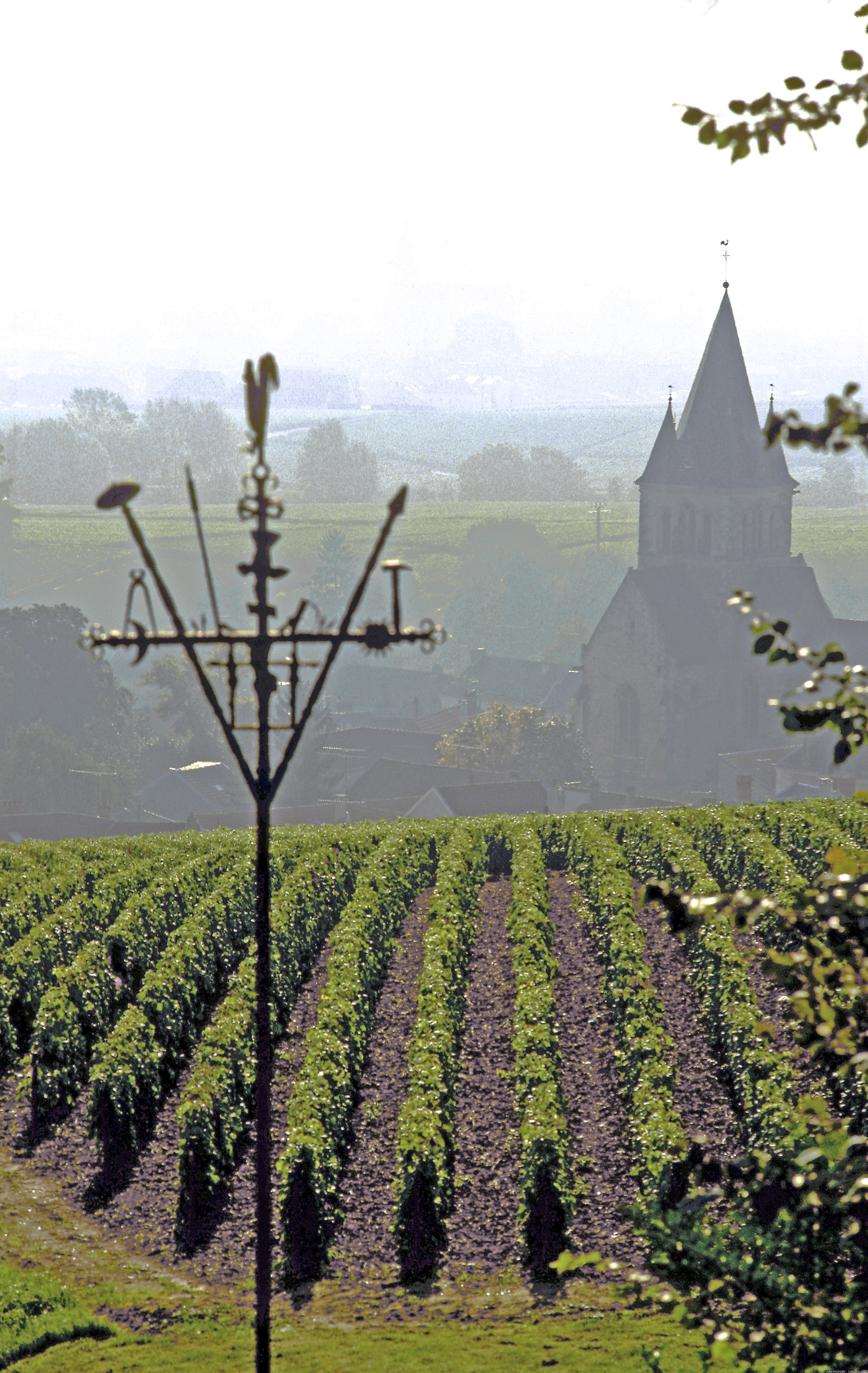
Moreover, UNESCO’s decision to include the Champagne Slopes, Houses and Cellars on its World Heritage List is a source of encouragement for the efforts made and demonstrates the industry’s ability to preserve its heritage.

“The Champagne houses and growers are more united than ever before around a sustainable wine-growing strategy. Promoting our wines means constantly innovating so that we can pass on our economic and environmental heritage to future generations”, conclude Pascal Férat and Jean-Marie Barillère.

Source: CIVC, France

Arouse All Your Senses — Champagne Tasting Tips For the Holidays

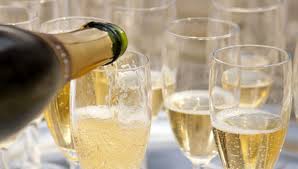
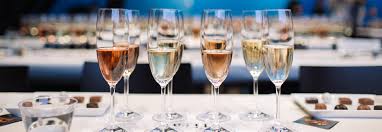
UnknownDon’t let the word ‘taste’ fool you. Tasting Champagne should be an assault on all the senses, not just your mouth. Take for instance, the POP of the cork as you open the bottle. Then there is the cool touch of the glass to your fingertips as you pour your glass half-full (the perfect amount for you to be able to swirl the wine around and release more aromas and flavors). As you pour, note the Champagne’s bubbly effervescence, and take a closer look at its color. To help the shade really pop, try placing a piece of white paper behind it. Is it pale gold, or is there a touch of green or gray mixed in? Is it more of a coral or a salmon pink? Generally speaking, the older the wine becomes, the more golden it will be. Is it bright and shiny, or is it dull? Dull wine is often faulty, so look for champagne that lives up to the promise of sparkling. And don’t forget about texture. Watch the bubbles—are they light or plentiful, lively or slow? Imagine how they will dance on your tongue, slide down your throat.

But let’s not get ahead of ourselves. Once the initial effervescence subsides, before you bring the flute to your mouth, put it to your nose. Since you’ve allowed the champagne time to open up, the wine will be ready to reveal its mysteries. Inhale the glass slowly, at length, and then inhale again. Depending on the variety of the wine, you can be in for any number of scented delights:

·      Floral  ~ rose, lime blossom, orange blossom, violet
·      Fruity ~ grapefruit, apple, pear, quince, peach, apricot,
nectarine, mango, banana, lychee, coconut, cherry, currant
·      Veggie ~ almond, grass, fern, truffle
·      Dried fruit ~ hazelnut, raisin, fig
·      Other ~ butter, brioche, toast, honey, candied fruit,
vanilla, spices

To enjoy this sensation to its fullest, avoid any perfumes or room fragrances as these will interfere with the aromas.

images-1

Now that you have fully teased all of your other senses, it’s time to bring the flute to your mouth. Sip slowly. As the wine seeps over your lips, allow it to luxuriate on your tongue. Roll it around your mouth, savoring each sensation. Does a dominant taste emerge? Is it comforting or powerful, smooth or solid, light or opulent? Is the texture creamy or complex? What is the weight of it on your tongue?

When it becomes time to swallow, pay close attention to the imprint of the wine on your palate. This aftertaste, or finish, will tell you much about the wine’s quality; much like the men in our lives, the longer it lasts, the better the sensation.

Liz Palmer
Author of The Ultimate Guide To Champagne
www.liz-palmer.com
@Champagnehouses

1st UNWTO Global Conference on Wine Tourism:September 2016 Kakheti, Georgia

1200x630_272696_kakheti-georgia-s-cradle-of-wineThe World Tourism Organization (UNWTO) in collaboration with the Georgian National Tourism Administration recently announced at the World Travel Market in London the 1st UNWTO Global Conference on Wine Tourism – the wine tourism conference will be held in the Kakheti wine region of Georgia September 7-9, 2016.

UNWTO Secretary-General, Taleb Rifai, who led the presentation with the Head of Georgian National Tourism Administration, George Chogovadze and the Georgian Ambassador to Spain, Zurab Pololikashvili, explained: “Wine tourism represents a growing segment with immense opportunities to diversify demand. In the case of Georgia, this potential is well-known and we are very pleased to be holding the first UNWTO Global Conference on Wine Tourism in the country”.

“Georgia’s unique wine-making traditions date back 8,000 years and are part of UNESCO’s intangible heritage, creating the ideal base to host the Wine Tourism Conference. Herewith, the country’s recent success in attracting a growing number of tourists, its development in terms of tourism products, branding and marketing present an excellent platform to share best practices, experience and knowledge” said Dimitry Kumsishvili, Minister of Economy and Sustainable Development of Georgia.

Gastronomy and wine have become key components for experiencing the culture and lifestyle of any destination and a growing travel motivation. To foster the development of this segment UNWTO launched in September, the UNWTO Gastronomy Network.

Unknown

For more information about the Conference, click here: 

http://affiliatemembers.unwto.org/event/1st-unwto-global-conference-wine-tourism

CHAMPAGNE PROVES TO BE A GOOD INVESTMENT

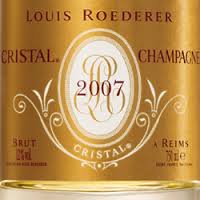
imagesChampagne put in a strong performance on Liv-ex for 2015; it has accounted for 6.1% of trade on Liv-ex so far this year, up from 2.8% in 2014. The activity on the wine exchange has been driven by a flurry of new releases, including Dom Pérignon 2006, Pol Roger 2004 and Cristal 2007.

Antonio Galloni scored Cristal 2007 97+ points in July, describing it as “without question one of the very finest releases of the year”.

With its high score, at £1,040 a case, Cristal 2007 is currently cheaper than all other vintages on the market, so may prove an attractive investment for Champagne lovers given that it’s value is likely to rise in time.

Produced in large quantities, Champagne prices plateau when the wine enters the market but rise again after several years as the fizz becomes scarce.

Dom Pérignon’s chef de cave, Richard Geoffroy, defended multiple vintage Champagne releases at the launch of Dom Pérignon 2006 in London last month. “There is more latitude in playing the vintage game than ever. Some people might think we’re playing it safe via the status of the brand but every vintage has its story. In an ideal world I’d make a vintage wine every year. “There’s a debate in Champagne about reserving vintage releases for the best years but there shouldn’t be any artificial limitations put on it,” he said. “The first half of the last decade was fantastic – we should witness how remarkable those vintages were. When the quality is that spectacular you have to put the wines forward for release,” he added.

Geoffroy believes it is now normal to release seven to eight vintages per decade.

Need an excuse to drink champagne….

CD-ecard-3

Tomorrow, October 23, 2015, is the sixth annual Global #ChampagneDay —

All you need to participate is a glass of Champagne — share your photos, tasting notes, experiences and videos on any social media site, and be sure to add the #ChampagneDay hash tag so your wine friends from around the globe can share in the fun.

Yes, it’s that special time of year to raise your flute to the quintessential wine of celebration, good cheer and toasts everywhere: Champagne!

And remember Champagne is from the Champagne region of France, which, on July 5th 2015 was granted World Heritage status by UNESCO and Champagne is from the Champagne region of France, making it the only sparkling wine that can be called Champagne.

Liz Palmer
The Ultimate Guide To Champagne – Release Date: Spring 2016
wwwLiz-Palmer.com