Perrier-Jouët was my final Champagne of 2025 + the perfect beginning for 2026

The final dinner of the year always feels symbolic, a quiet threshold between what has been and what is about to begin. To close 2025 and welcome 2026, I chose Perrier-Jouët. Some Champagnes feel like an occasion before the cork even moves, and Perrier-Jouët belongs to that rare category, a house whose history is inseparable from the aesthetics of refinement.

Perrier-Jouët manages something timeless: honouring tradition while moving confidently into the future. That is exactly the energy a turning year deserves.

A House Defined by Grace

Founded in 1811 in Épernay by Pierre-Nicolas Perrier and Rose-Adélaïde Jouët, the house was shaped from the beginning by discipline and precision. Vineyard selection, controlled yields, and meticulous blending became its quiet signature. Over generations, Perrier-Jouët developed a deep affinity with Chardonnay from the Côte des Blancs, prized for its floral character, purity, and mineral drive.

In 1902, artist Émile Gallé created the iconic anemone motif that now adorns Belle Époque bottles. Far more than decoration, it reflected the philosophy of Art Nouveau: harmony with nature, craftsmanship, and beauty with intention.

Beneath Épernay, Perrier-Jouët’s chalk cellars cradle the wines, regulating temperature and allowing time to do its patient work. The resulting house style is unmistakable: shimmering freshness, fine-boned structure, and delicacy with poise.

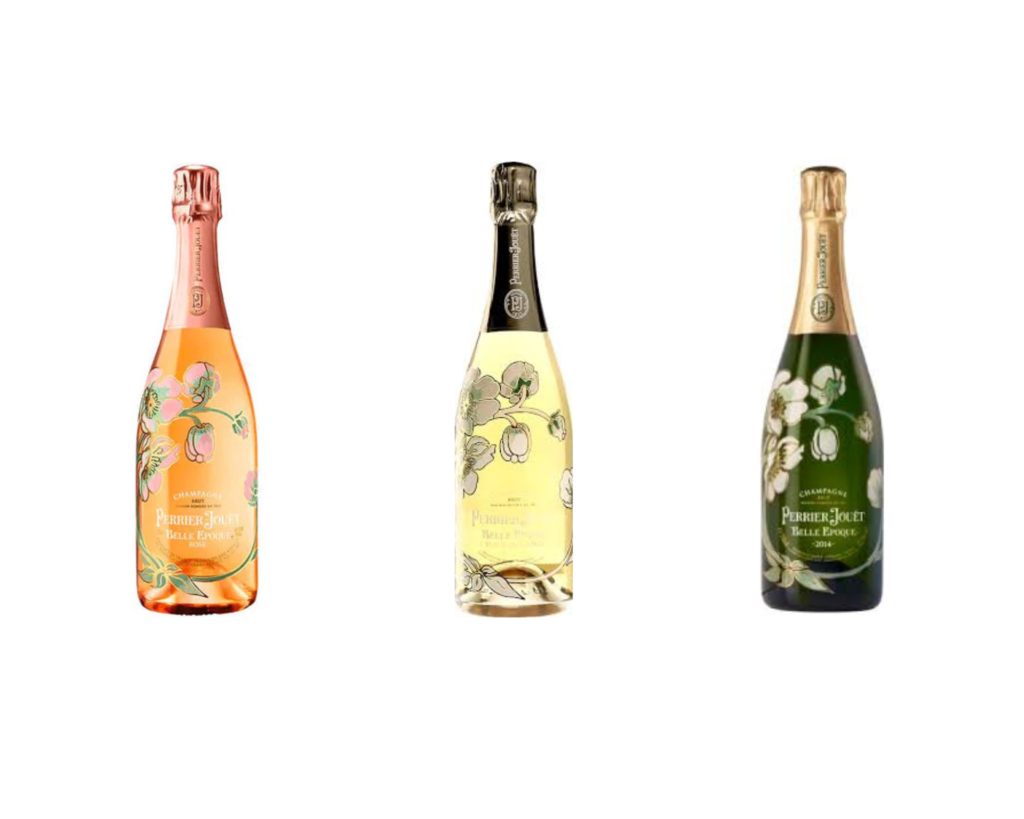
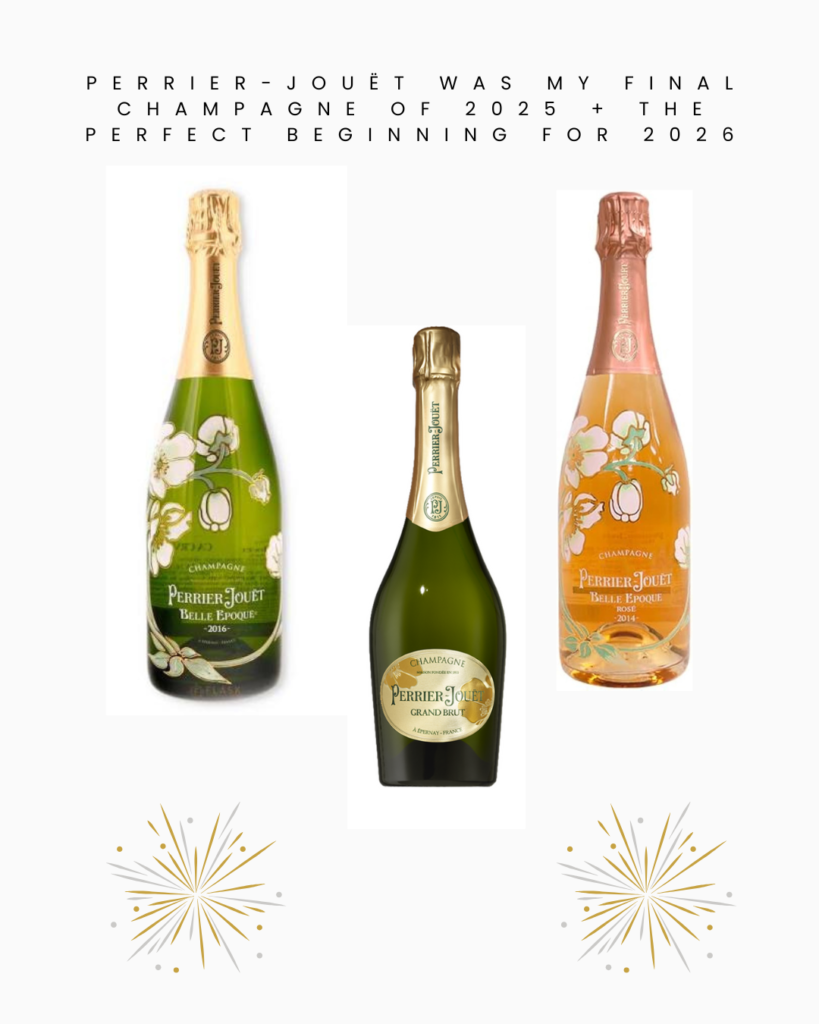
Tasting and Food Pairing: Perrier-Jouët Grand Brut Champagne, Perrier-Jouët Belle Époque Brut Rosé Champagne 2014 and Perrier-Jouët Belle Époque Brut Champagne 2016

Perrier-Jouët Grand Brut

Grand Brut is the introduction to the house style. The blend brings together Chardonnay with Pinot Noir and Meunier, balancing lift and generosity.

Aromas recall citrus blossom, white peach, brioche, and a subtle almond note. The palate shows fine mousse, orchard fruit, and a touch of toast, finishing with bright, linear acidity.

Pairing:
We opened this early in the evening with oysters and seafood canapés, effortless, conversational, quietly refined.

Perrier-Jouët Belle Époque Brut Rosé 2014

Belle Epoque Rosé always carries a lyrical quality, and 2014 adds precision and tension. Its pale salmon hue conceals layered depth.

The nose suggests strawberry, blood orange, pomegranate, and rose petals, with delicate pastry tones. The palate is textured and mineral, structured yet graceful.

Pairing:
This was the centrepiece at dinner: duck breast with cherries and roasted potatoes. The wine elevated the dish, harmonizing rather than overpowering.

Perrier-Jouët Belle Époque Brut 2016

Belle Epoque 2016 feels composed and confident. It opens with pear, lemon zest, acacia, and fresh hazelnut. The palate is crystalline and precise, finishing with a saline whisper, proof that great Champagne doesn’t need volume to make its point.

Pairing:
Our midnight bottle. We served it with aged Comté and caviar-topped blinis, salt, richness, and bright acidity coming together in an elegant, poetic final act.

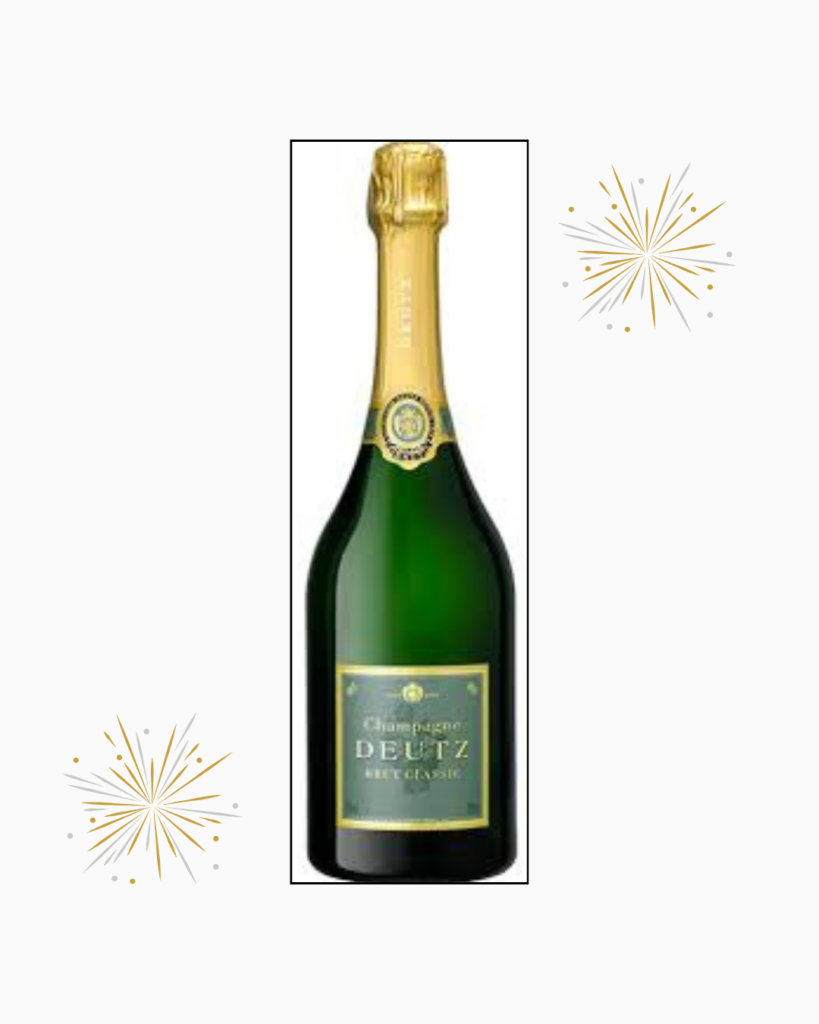
Champagne Deutz: A Holiday Standard

Nestled in the premier cru village of Aÿ, in the historic Champagne region of northeastern France, Maison Deutz occupies a place in the pantheon of classic Champagne houses that feels both rooted and unexpectedly electric. Founded in 1838 by William Deutz and Pierre-Hubert Geldermann, this house emerged from the great era of négociant ambition, carving out a reputation for finesse and stylistic consistency that has endured for nearly two centuries.

Location and Tourism

Aÿ sits like a jewelled hub just west of Épernay, think of it as Champagne’s scholarly precinct, where chalky soils and Pinot Noir harmonize across the landscape. Tourists, sommeliers, and curious travellers come here to explore terroir and technique. Tasting experiences in the Deutz cellars are examinations in slow maturation: centuries-old chalk caves that feel like cathedral crypts dedicated to bubbles, each bottle a lesson in time, texture, and terroir. Visiting Champagne Deutz is an immersion in the geography and geology of effervescent elegance.

Acquired in the late 20th century by the Rouzaud family, custodians of Louis Roederer, Deutz has blended its legacy with renewed vigour while preserving traditional techniques. The house today balances respect for its heritage with an eye toward how modern palates approach complexity, balance, and pleasure.

Champagne Deutz stands as a living museum of viticultural tradition: chalk labyrinths, vineyard tours through storied parcels of premier and grand cru, and tastings that pair textbook technique with experiential delight.

Celebrate the Holidays with Deutz Classic Brut

If you gravitate toward Champagnes that feel both classic and stimulating, not loud, simply intellectually stylish, Deutz Classic Brut is for you. This non-vintage blend is built on a near-perfect equilateral triangle of Chardonnay, Pinot Noir, and Pinot Meunier, each contributing about a third of the whole. Around 20–40% reserve wines are folded into the blend to maintain house consistency and depth year after year, an oenological time capsule that speaks to complexity without pomp.

Deutz Classic Brut: Tasting Notes

In the glass, it shows a deep golden hue with an ultra-fine mousse, the effervescent whisper synonymous with long cellar ageing. On the nose, it reveals delicate white florals offset by richer aromas of toasted brioche, marzipan, and ripe pear.

The palate brings crisp freshness from Chardonnay, wrapped in the supple richness that Pinot Noir provides so well. Integrated fruit notes lean toward apple and pear, with hints of citrus and an underlying mineral clarity. The finish lingers with textured elegance.

Why Champagne Deutz?

Drinking Deutz Classic Brut during the holidays is like revisiting a trusted chapter in a favourite book: it brings comfort, stylistic integrity, and small surprises with every sip. This is the Champagne that feels like a warm toast among old friends and new ideas, a bottle that honours the past while sparkling fully in the present.

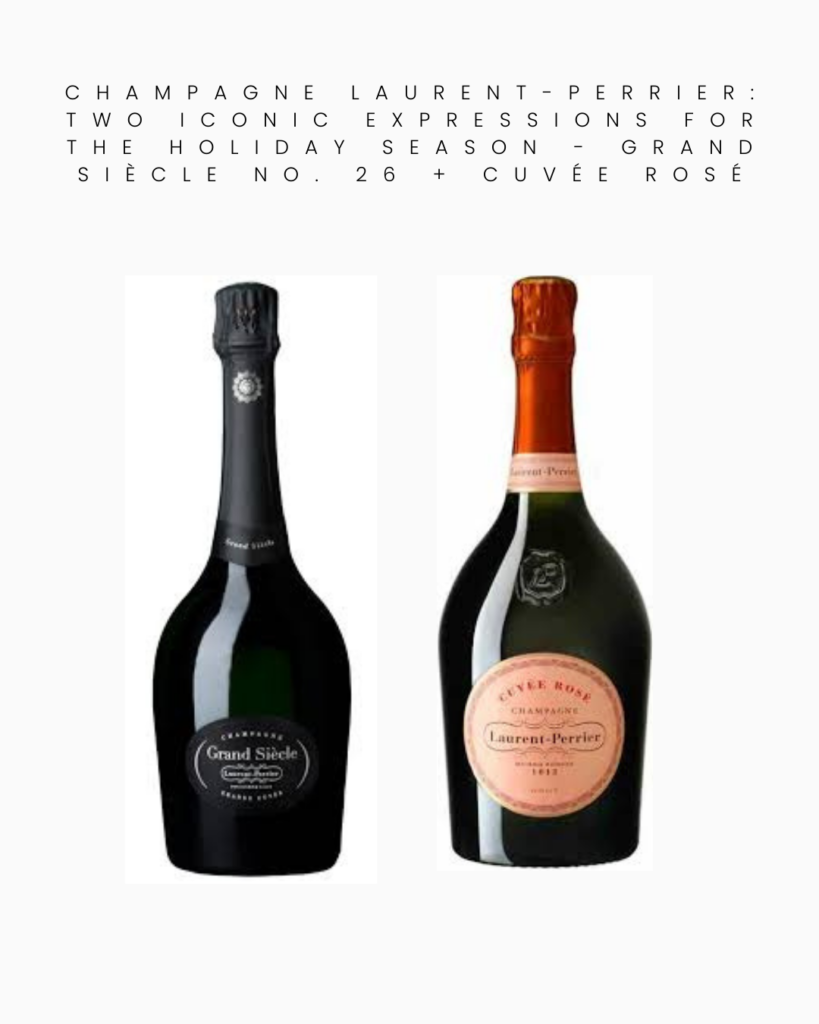
Champagne Laurent-Perrier: Two Iconic Expressions for the Holiday Season

Among the many Champagne houses that balance intellectual rigour with pure pleasure, Laurent-Perrier stands confidently at the top of the pyramid. For the holiday season, two cuvées in particular capture my attention, both for celebratory exuberance and contemplative depth: Grand Siècle No. 26 and Laurent-Perrier Cuvée Rosé. Each expresses a different philosophy of luxury – one built on time, precision, and layered complexity, the other on immediacy, purity of fruit, and joy. Together, they form an ideal festive pairing.

About Champagne Laurent-Perrier

The house known today as Laurent-Perrier traces its origins to 1812, when André-Michel Pierlot, a cooper and bottler from Chigny-les-Roses, established his enterprise in the Grand Cru village of Tours-sur-Marne. His acquisition of vineyard parcels known as Les Plaisances and La Tour Glorieux laid the viticultural foundations for what would become one of Champagne’s most influential independent houses.

Over the course of the 20th century, particularly under the visionary leadership of Bernard de Nonancourt, Laurent-Perrier evolved from a respected regional producer into a global Grande Marque, exporting to more than 140 countries. The house became synonymous with freshness, elegance, and technical innovation, pioneering the use of stainless-steel fermentation and challenging conventions with non-dosé and rosé Champagnes produced by maceration.

Today, Laurent-Perrier remains a family-owned business, continuing to strike a balance between heritage and modernity. Its stylistic identity is unmistakable: Champagne is defined not by power alone, but by finesse, clarity, and restraint.

Tasting Notes

Laurent-Perrier Grand Siècle No. 26

This prestige multi-vintage cuvée is composed of three exceptional years rather than a single declared vintage. Predominantly Chardonnay, complemented by Pinot Noir, it is sourced exclusively from Grand Cru vineyards.

Grand Siècle is built on Laurent-Perrier’s philosophy of creating a “perfect vintage in a bottle.” Extended lees ageing in chalk cellars allows the wine to develop extraordinary depth while preserving freshness. It rewards both patient cellaring and thoughtful immediate enjoyment.

Tasting Profile

On opening, the nose is refined and expressive: brioche, toasted almonds, hazelnut, warm pastry, honeyed nuances, and citrus peel. With time in the glass, additional layers emerge, including candied citrus, white flowers, gentle spice, gingerbread, and a finely etched mineral line. The palate is rich yet controlled, with a creamy, seamless mousse and remarkable balance between acidity and depth. Flavours of toasted nuts, brioche, citrus zest, and subtle stone fruit unfold toward a long, mineral-driven finish. The impression is confident, complex, and quietly powerful.

This Champagne is for slow contemplation and refined holiday meals such as white truffle, veal, fine poultry, or a perfectly roasted turkey. Grand Siècle No. 26 doesn’t shout; it resonates.

97 Points
Liz Palmer

Laurent-Perrier Cuvée Brut Rosé

This non-vintage rosé Champagne is made from 100% Pinot Noir, produced using the saignée (maceration) method, rather than blending in red wine. This technique preserves purity, structure, and aromatic precision.

Vinified with meticulous attention to aromatic clarity, the wine reflects Laurent-Perrier’s hallmark freshness and technical precision. Stainless-steel fermentation and careful lees management deliver intensity without heaviness.

Tasting Profile

In the glass, a delicate salmon-petal hue with fine, energetic mousse. Aromatically vivid, offering freshly crushed raspberries, wild strawberries, red currant, and hints of cherry, accented by subtle florals and a whisper of brioche. On the palate, the texture is silky and rounded, with bright red-berry flavours leading into gentle creaminess, a light mineral edge, and a refreshing, balanced finish.

Charming, expressive, and endlessly versatile, this cuvée rosé shines as an aperitif and pairs effortlessly with seafood, lighter holiday dishes, or even spicy cuisine. It’s festive energy in a glass.

94 Points
Liz Palmer

Wine Tourism

Laurent-Perrier’s headquarters and principal vineyards are located in Tours-sur-Marne, in the heart of Champagne. Its prestigious Château de Louvois, a 17th-century estate associated with Grand Siècle, reinforces the house’s connection to heritage and grandeur. The château’s Orangery, restored in 2023 and awarded the Pierre Cheval Prize, reflects ongoing investment in cultural preservation.

Laurent-Perrier maintains a discreet, curated visitor policy. While public tours are not guaranteed, select visits—often for trade or VIPs—offer access to some of Champagne’s most extensive cellars. In the context of Champagne’s tourism boom following UNESCO designation, Laurent-Perrier appears strategically positioned for high-end, heritage-driven experiences rather than mass visitation.

Reflections: Why Laurent-Perrier Still Matters in 2025

Laurent-Perrier occupies a rare space in Champagne: intellectually serious, technically innovative, yet emotionally accessible. Its willingness to challenge tradition, while respecting it, has shaped a style that is fresh, refined, and enduring. In an era where wine tourism increasingly values authenticity and cultural depth, Laurent-Perrier’s quiet confidence and curated approach feel not only relevant but refreshingly modern.

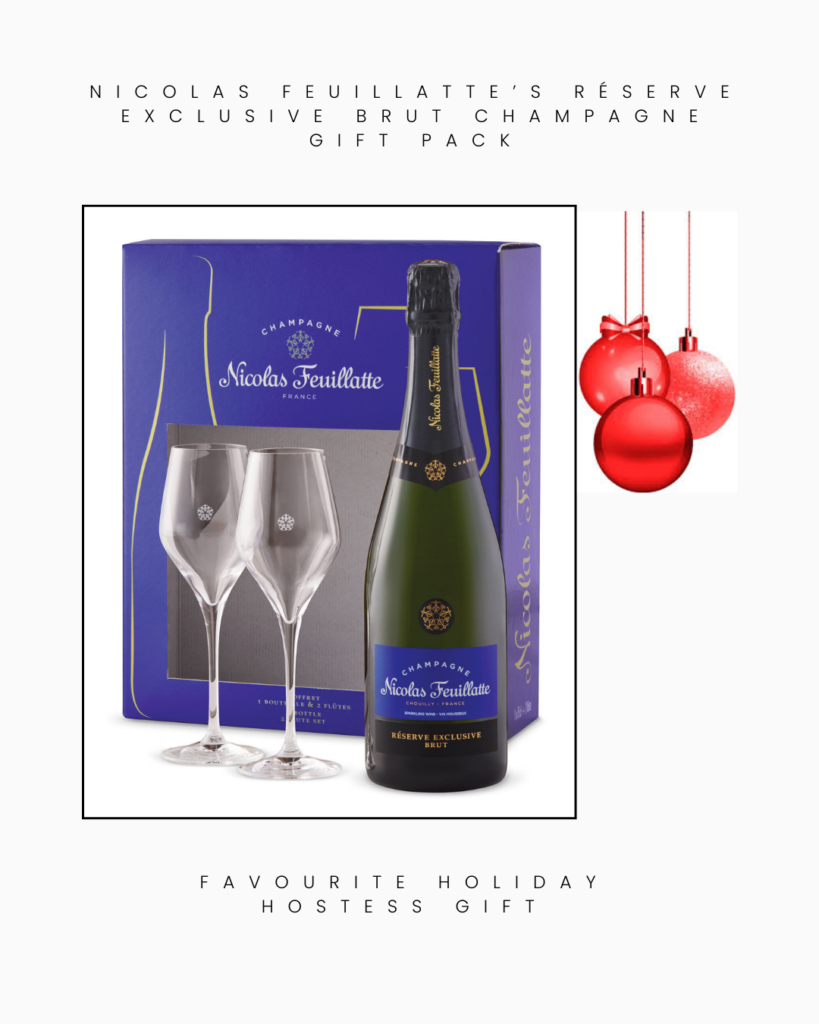
A Classic Hostess Gift for the Holidays: Nicolas Feuillatte Réserve Exclusive Gift Pack with Two Flutes

Amid the endless swirl of holiday gifting, a few offerings strike the elusive balance between polish and pleasure quite like the Nicolas Feuillatte Réserve Exclusive Gift Pack, complete with two refined Champagne flutes. It is an effortlessly gracious hostess gift – considered, celebratory, and refreshingly unpretentious.

Tasting Notes
At its core is Nicolas Feuillatte’s Réserve Exclusive Brut, a finely tuned blend of Pinot Noir, Meunier, and Chardonnay. The Champagne delivers both approachability and depth, revealing layers of orchard fruit, subtle brioche, and a lifted mineral finish. It shows good structure and is elegant and expressive.

Classic Pairings
At the table, Nicolas Feuillatte Réserve Exclusive Brut proves endlessly versatile. It pairs beautifully with holiday classics such as smoked salmon, roast turkey, or festive canapés, and shines just as brightly on its own as a refined aperitif. With its thoughtful presentation and timeless appeal, this gift pack elevates any gathering – proof that the best gifts are those that feel both celebratory and sincere.

Wine Tourism
Nicolas Feuillatte is based in Chouilly, in the heart of the Côte des Blancs, where it operates one of the most advanced Champagne facilities in the region. While the brand is globally recognized, it remains deeply connected to its grower network and regional identity. The Centre Vinicole – Champagne Nicolas Feuillatte also welcomes visitors, offering curated tastings and guided experiences that explore Champagne production, blending philosophy, and the cooperative model. It is a meaningful stop for wine tourism enthusiasts seeking both education and immersion.

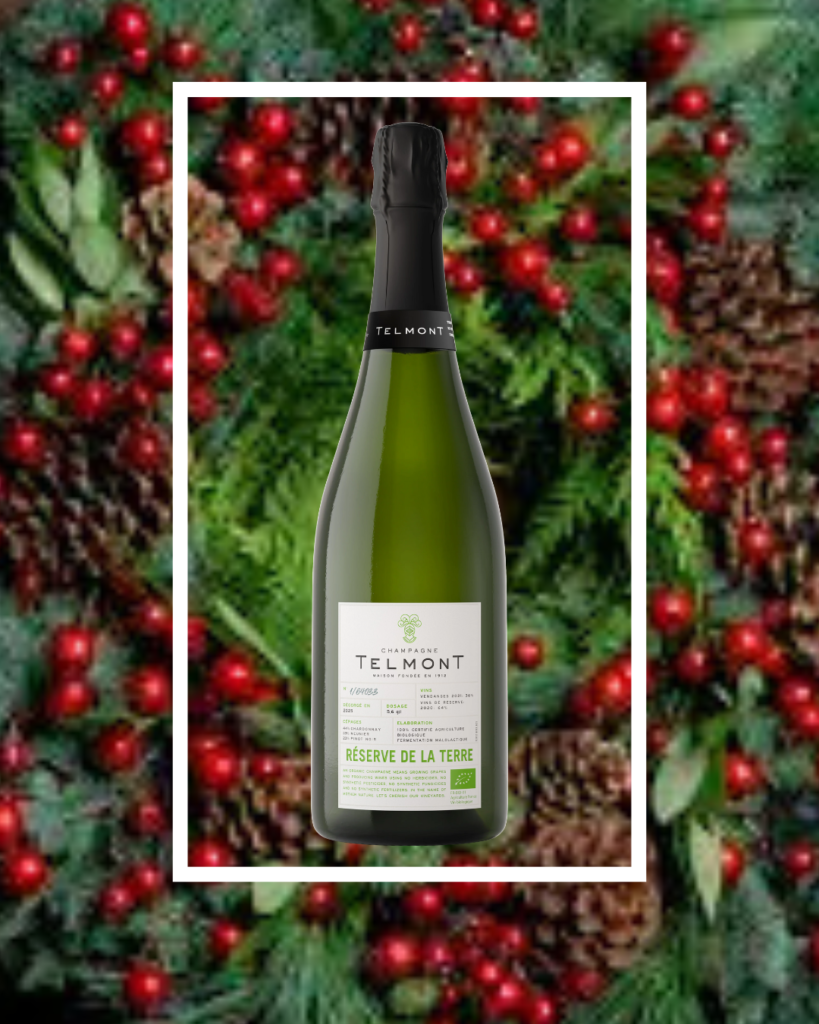
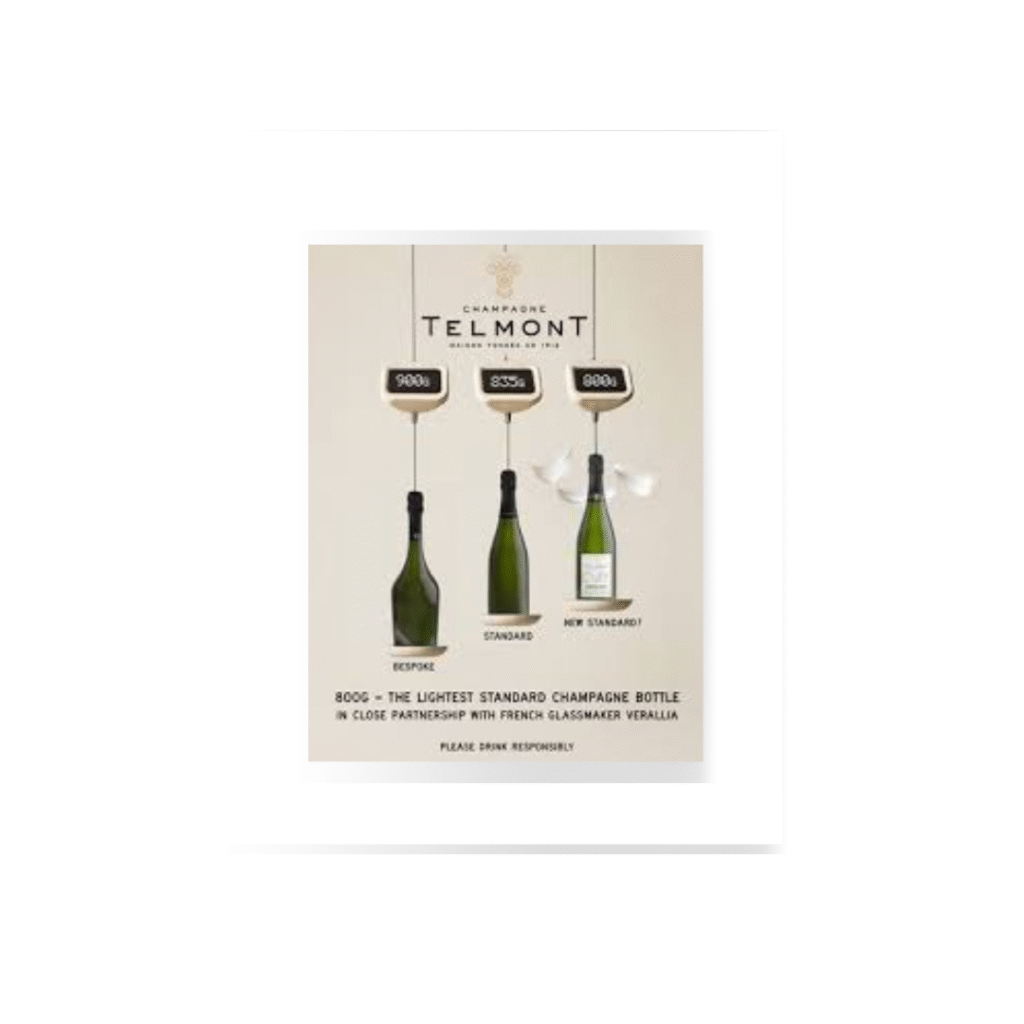
Champagne Telmont: Where Heritage Meets the Future of Sustainable Champagne + Wine Review

 Champagne is a region built on centuries of tradition, but every so often, a house emerges that doesn’t just update the rule book; it edits the whole document. Telmont, the organically driven, sustainability-obsessed house from Damery, is one of the most compelling modern narratives in Champagne today. With a history that stretches back more than a century and a present that leans confidently into ecological transformation, Telmont stands at the crossroads of heritage and next‑generation innovation.

A Champagne House Born in 1912 and Reborn in the 21st Century

Telmont was founded in 1912, when winegrower Henri Lhôpital established a small estate rooted in traditional Champagne viticulture. For much of the 20th century, the family-built maison remained a local, agriculture‑focused producer, known for meticulous vineyard work and precise blending.

The plot twist arrived in 2020, when Telmont received significant support from partners aligned with its environmental mission, including an investment from actor and environmental advocate Leonardo DiCaprio in 2022. Rather than pivot toward celebrity gloss, Telmont doubled down on its ecological commitments. By 2025, the house had emerged as one of Champagne’s most resolute voices in sustainability, championing:

  • Organic certification for 100% of its vines (a multi‑year transition nearing completion)
  • Zero unnecessary packaging
  • Full transparency in labelling
  • Renewable energy integration
  • A “leave no trace” approach across production and the supply chain

This ethos has earned Telmont a devoted following among sommeliers, collectors, and environmentally conscious drinkers, including the sustainably minded Gen Z audience, who treat vineyard biodiversity with the same reverence earlier generations reserved for luxury labels.

Location

Telmont’s home village of Damery sits in the Vallée de la Marne, west of Épernay. Historically dominated by Meunier, the region benefits from clay‑rich soils and cooler ripening conditions that allow the grape to express freshness and aromatic precision.

The estate farms vineyards in Damery as well as parcels in nearby villages, including Cumières, Hautvillers, and Boursault, creating a diverse mosaic of chalk, clay, sand, limestone, and flint soils. This range enables Telmont to craft blends that emphasize finesse, lift, and orchard‑fruit purity.

Damery itself offers a humble, pastoral counterpoint to Champagne’s grander tourism hubs. It is a village where winemakers still know their neighbours, tractors hum through the early morning light, and the Marne River glints softly between vineyard slopes.

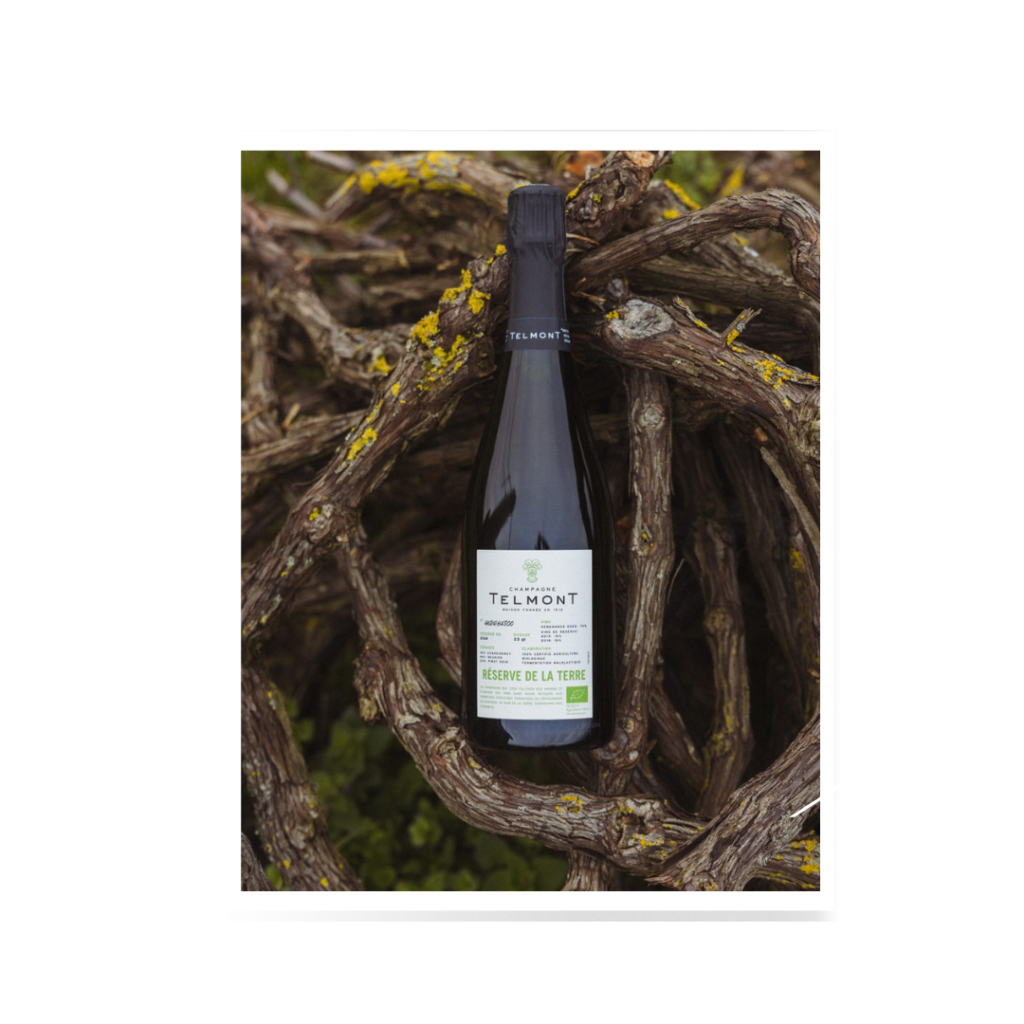
Telmont Réserve Brut – Wine Review

No. 145037/312589
Disgorged in 2024
Dosage 3.4 g/l
40% Chardonnay
29%Meunier
31% Pinot Noir
Extra Brut

The Réserve Brut is Telmont’s thesis statement: a Champagne that foregrounds orchard fruit, chalk‑driven minerality, and winemaking restraint.

Appearance: A luminous golden hue with fine, persistent bubbles and an elegant mousse.

Aromas: Pear, apple, and peach, layered with hints of honeysuckle and almond.

Palate: Crisp apple and citrus notes intertwine with delicate brioche, supported by precise, refreshing acidity. The mousse is refined and persistent, carrying a mineral thread from start to finish.

Finish: Long, harmonious, and mineral‑driven, with lingering notes of candied fruit and citrus that echo the Vallée de la Marne’s signature finesse.

This is a Champagne that feels effortlessly composed, akin to a minimalist painting where every brushstroke matters.

92 Points
Liz Palmer

There are many reasons why I chose Champagne Telmont as one of my holiday favourites, including their wines’ favouring clarity over artifice, vineyard truth over marketing gloss, and ecological health over short-term convenience. In 2025, that stance resonates with a global audience seeking luxury aligned with values.

This house bridges Champagne’s agricultural past with its environmentally conscious future, proving that sustainability is not a trend, but a pathway to deeper, more authentic expression.