

The Champagne category is bubbling over in the U.S. market, driven by a dynamic premiumization trend. With per-case value up 20% to over €300 ($334) last year, the U.S. overtook the U.K. as Champagne’s top export market by value in 2015. Champagne shipments to the U.S. leapt 28% to €515 million ($573m) for the year, surpassing the U.K.’s total of €512 million ($570m), which itself represented a 7% bump. U.S. depletions, at 1.4 million cases last year, remain shy of their 2007 total of 1.6 million cases, but shipment value has surged by nearly 60% since 2010, according to Impact Databank. A slide in the euro—whose value against the dollar is down by about 20% over the past two years—has helped to stoke growth.
From 2010-2014, Champagne’s value on a per-case basis rose a respectable 10% in the U.S., adding around $25. But in 2015 alone, it more than doubled that incremental growth, tacking on about $55 in value to the average case of Champagne. Price hikes and a stronger emphasis on higher-end bubblies are both contributing to the dramatic rise in value.
Piper-Heidsieck, which transitioned from the Rémy Cointreau USA portfolio to Terlato Wines last July, is employing both of those tactics. Piper is extending with a Rare Rosé this year, which will be priced at a premium to prestige cuvée Rare Brut, becoming the brand’s highest-priced offering. While looking to increase its high-end sales, Piper has also taken price hikes on its core Brut non-vintage. “Previously you’d sometimes see the Brut as low as $29.99 on the shelf. Over the holidays last year the average was above $39.99, which is a nice move in the right direction,” says Terlato CEO Bill Terlato.
The third-largest Champagne in the U.S. market, Pernod Ricard’s Perrier-Jouët, is seeing strong results for its prestige cuvée Belle Epoque, which sells above $150 a bottle. “The on-premise is back on a healthy trend and it’s a key driver for our portfolio,” says Aygline Pechdo, brand director for Champagnes at Pernod Ricard USA.
Meanwhile, market leader Moët Hennessy USA continues to enjoy impressive progress with the dynamic duo of Veuve Clicquot and Moët & Chandon, which dominate the category with a combined 60% share. Portfoliomate Dom Perignon is also among the top five Champagnes in the U.S. in volume terms—totaling nearly 60,000 cases annually—despite a retail price above $160 a bottle.
Fourth-ranked player Nicolas Feuillatte tells SND it’s focused on expanding Champagne into new consumption occasions. “We’ll be launching new advertising and social media campaigns this year which support our vision for the future of Champagne as more modern and accessible,” says Feuillatte’s Americas export manager Olivier Zorel. —Daniel Marsteller
| U.S. – Top Six Champagne Brands (thousands of nine-liter cases) | |||||||
| Depletions | Percent Change3 | ||||||
|---|---|---|---|---|---|---|---|
| Rank | Brand | Importer | 2013 | 2014 | 2015 | 2013-2014 | 2014-2015 |
| 1 | Veuve Clicquot | Moet Hennessy USA (LVMH) | 383 | 415 | 453 | 8.3% | 9.3% |
| 2 | Moet & Chandon1 | Moet Hennessy USA (LVMH) | 354 | 369 | 382 | 4.1% | 3.6% |
| 3 | Perrier-Jouet | Pernod Ricard USA | 71 | 71 | 80 | -0.3% | 11.8% |
| 4 | Nicolas Feuillatte | Ste. Michelle Wine Estates | 67 | 68 | 68 | 1.5% | 0.0% |
| 5 | Dom Perignon | Moet Hennessy USA (LVMH) | 56 | 59 | 58 | 5.2% | -1.7% |
| 6 | Piper Heidsieck | Terlato Wines International | 51 | 45 | 42 | -11.4% | -7.0% |
| Total Top Six2 | 983 | 1,027 | 1,083 | 4.5% | 5.4% | ||
| 1 excludes Dom Perignon 2 addition of columns may not agree due to rounding 3 based on unrounded dataSource: IMPACT DATABANK | |||||||
Source: Shanken News
Liz Palmer
liz-palmer.com
@Champagnehouses
@LizPalmer_




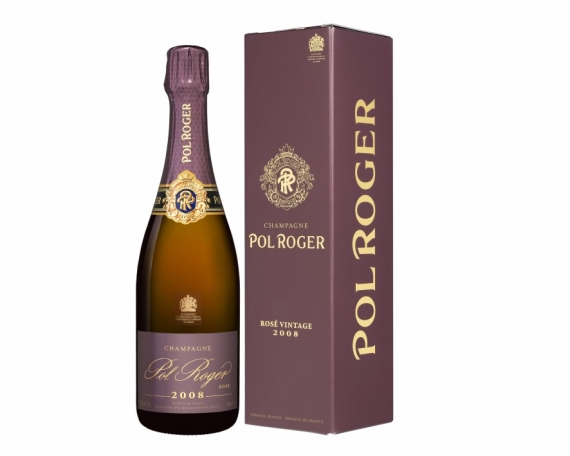

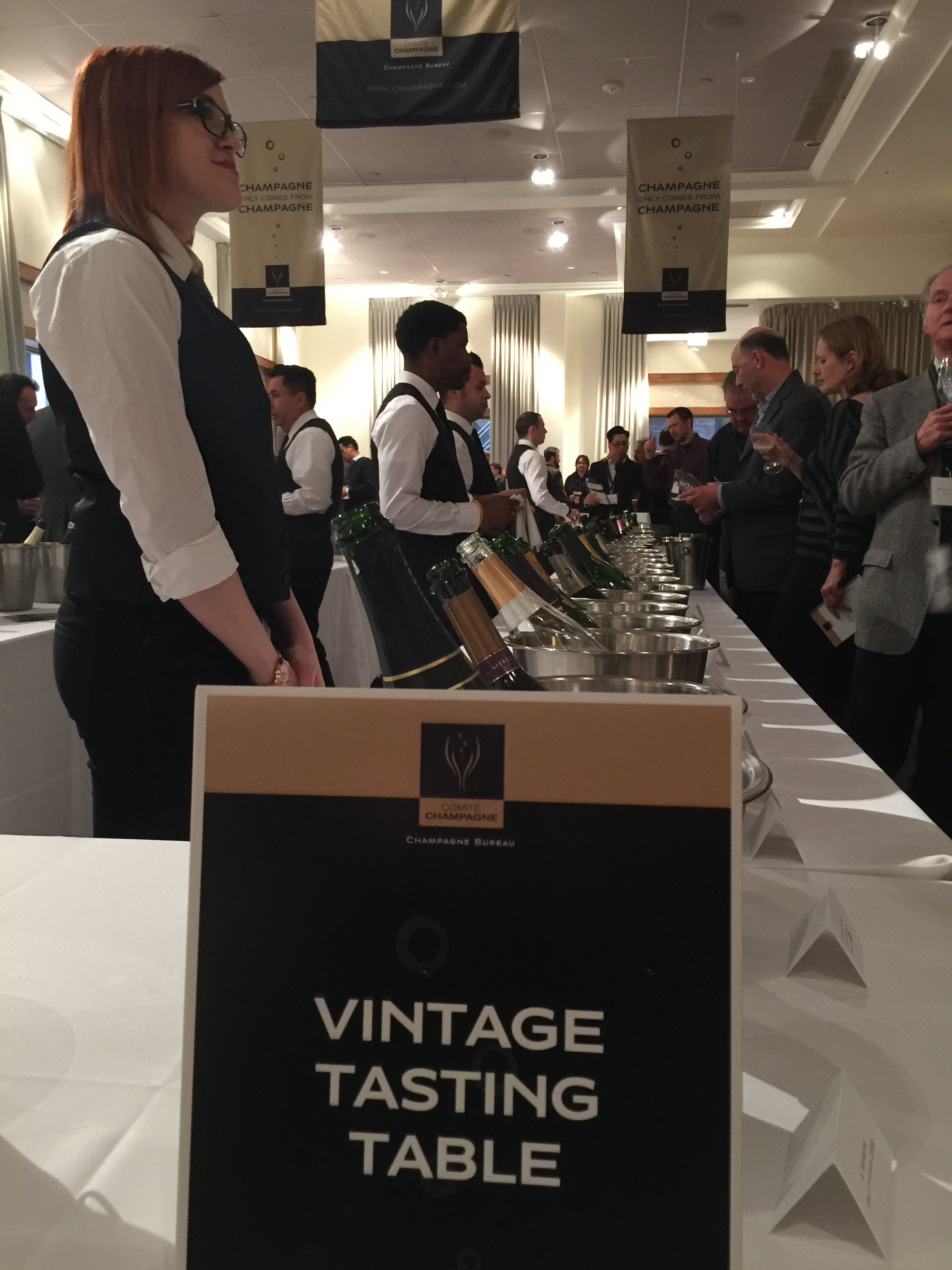 The Champagne region’s annual official tasting in the United States was held at the The Ivy Room, Chicago on February 29, 2016. US Trade and media attendees had the opportunity to taste more than 100 champagnes from 35 growers and houses.