
For decades, wine tourism followed a familiar script: scenic vineyards, guided tastings, souvenir bottles, and carefully curated narratives about terroir. Today, that model is quietly being rewritten. Across leading wine destinations and emerging regions, visitors are no longer content to observe. They want to participate.
They want to create. And increasingly, wineries are responding.
At the center of this shift is the rise of experimental wine workshops, particularly blending experiences that invite guests into the creative and technical heart of winemaking. These programs reflect a broader recalibration in luxury and experiential travel, where co-creation, learning, and emotional engagement now define value more than passive consumption.
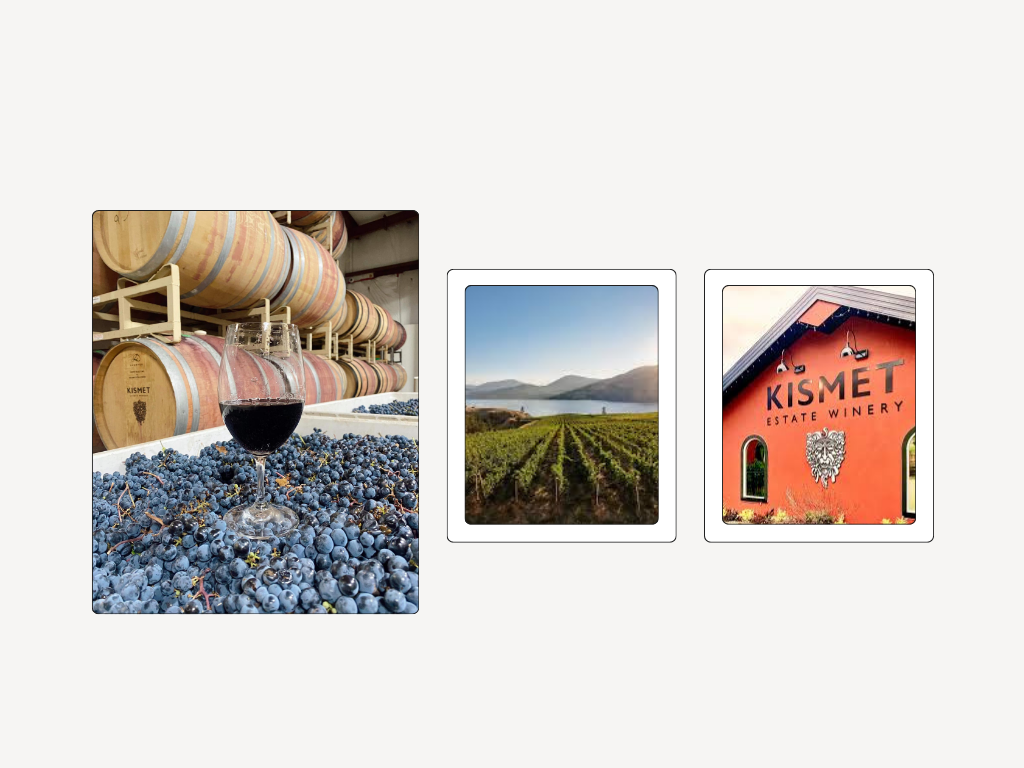
One illustrative example is the Valentine’s Wine Blending Workshop at Kismet Estate Winery in British Columbia, Canada. Designed as a small-group, guided experience, the program combines winery tours, sensory training, and hands-on blending sessions under the supervision of professional winemakers. Participants learn how balance, aroma, and structure interact before crafting a personalized wine blend, which they bottle and label as a lasting memento.
This format transforms the traditional tasting room into a creative studio. Visitors are no longer just evaluating finished products; they are temporarily stepping into the role of winemaker. The result is a deeper understanding of production decisions, and a stronger emotional bond with the brand.
Food plays a strategic role in these experiences. Curated small bites and regional pairings extend the learning process beyond the glass, reinforcing the multisensory nature of contemporary wine tourism. Gastronomy becomes an interpretive tool, helping guests connect flavor profiles with place, process, and cultural identity.
These workshops reflect a structural change in how wine destinations compete. The focus is moving from infrastructure and aesthetics toward engagement and memory creation. In this new model, the most valuable asset is not the view from the terrace, but the depth of the experience.
Experimental blending programs encapsulate this transition. By turning visitors into co-creators and embedding education within leisure, they redefine what a winery visit can be. They function simultaneously as tourism products, branding tools, and learning platforms.
As global travel continues to evolve, wine regions that invest in participatory formats are positioning themselves at the forefront of experiential tourism. The future of wine travel is not only about where visitors go. It is about what they are invited to do once they arrive.
For further information: https://www.kismetestatewinery.com/