
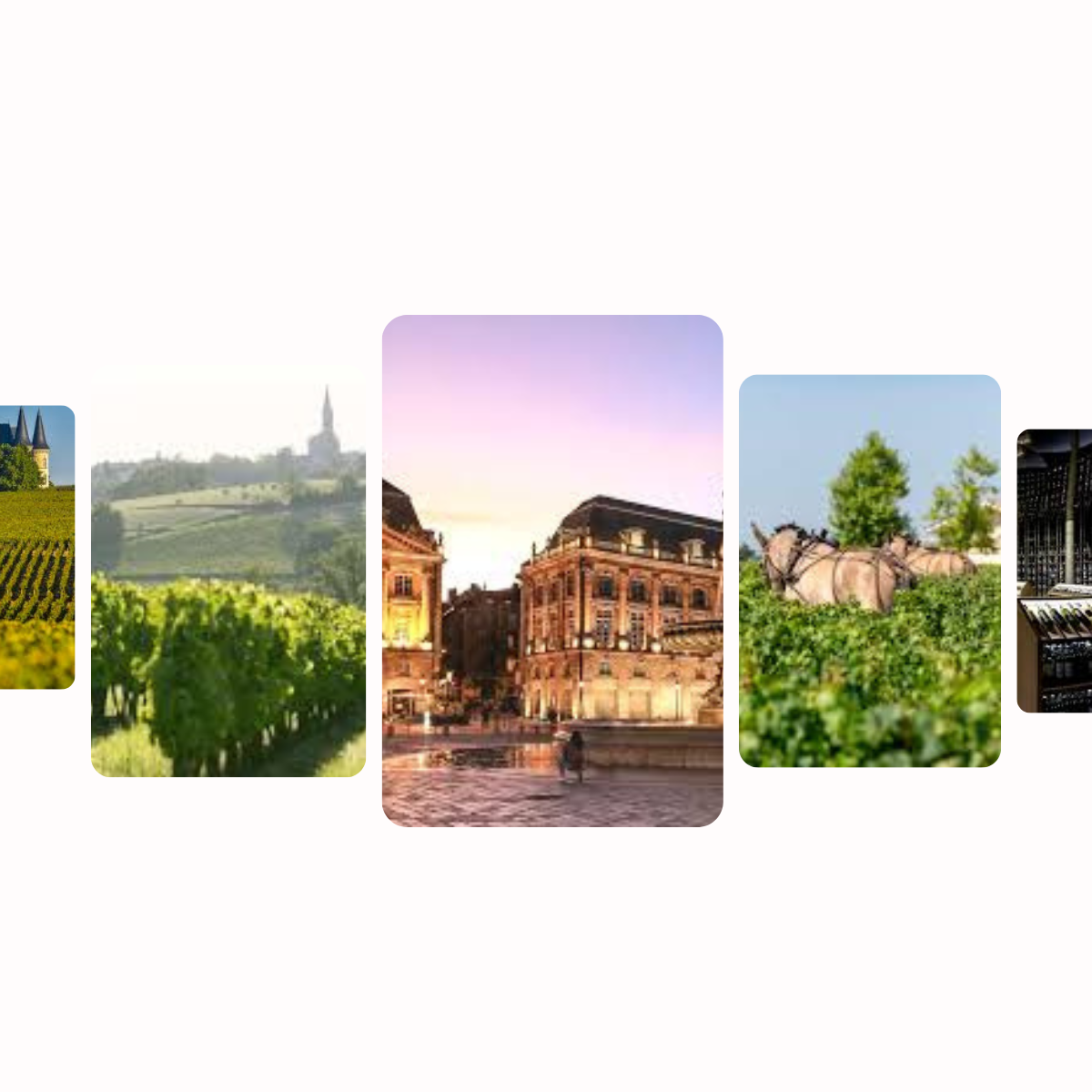
In a time where destinations compete not only on heritage but on experience, accessibility, and sustainability, Bordeaux offers a compelling case study in strategic tourism transformation.
Long recognized as one of the world’s most prestigious wine capitals, Bordeaux is now redefining itself as a fully integrated wine, culture, and lifestyle destination. This shift reflects a broader recalibration in global travel, where visitors increasingly seek immersive, narrative-rich, and responsibly managed experiences.
Bordeaux’s evolution illustrates how wine regions can transition from production-led identities to mature tourism ecosystems.
Reframing Wine Identity in the Experience Economy
Historically, Bordeaux’s international reputation rested on export markets, appellation prestige, and trade influence. While these foundations remain critical, contemporary destination competitiveness now depends on experiential differentiation.
Bordeaux has responded by repositioning wine as a gateway rather than a gatekeeper.
Through interpretive centres, guided storytelling, accessible tastings, and curated vineyard itineraries, the region has lowered entry barriers while preserving cultural depth. Wine tourism has become inclusive, educational, and emotionally engaging qualities that resonate strongly with global travellers.
This shift has expanded Bordeaux’s appeal beyond connoisseurs to lifestyle tourists, cultural explorers, and premium leisure markets.
Hospitality Investment as Strategic Infrastructure
One of the most significant drivers of Bordeaux’s repositioning has been sustained investment in hospitality.
The city now benefits from a diversified accommodation ecosystem that includes:
• Heritage and luxury hotels
• Design-led lifestyle properties
• Boutique urban residences
• Vineyard-adjacent lodges
This segmentation enables Bordeaux to serve multiple visitor profiles while maintaining consistent service standards. More importantly, hospitality infrastructure functions as strategic tourism capital, reinforcing the region’s ability to attract long-haul, high-spend, and repeat visitors.
It also supports seasonality management, allowing Bordeaux to cultivate year-round demand rather than concentrated peak flows.
Connectivity and Spatial Integration
Accessibility plays a decisive role in destination competitiveness. Bordeaux’s high-speed rail links, expanding air routes, and integrated urban transport systems have strengthened its position within European and transatlantic travel networks.
Efficient mobility enables:
• Short-stay and extended itineraries
• Multi-destination travel integration
• Reduced environmental pressure
• Enhanced visitor circulation
By prioritizing walkability, cycling, and public transport, Bordeaux aligns tourism growth with urban liveability, an increasingly important metric for destination resilience.
From Vineyard Visits to Cultural Landscapes
Bordeaux’s tourism model increasingly reflects a landscape-based approach, integrating urban heritage, riverfront regeneration, gastronomy, and viticulture into a coherent narrative framework.
Visitors engage not only with individual châteaux, but with:
• UNESCO-designated urban environments
• Contemporary wine museums
• Culinary ecosystems
• Rural terroir corridors
This spatial integration extends length of stay, deepens visitor engagement, and increases economic spillover across sectors.
It also reinforces Bordeaux’s identity as a living cultural landscape rather than a static wine brand.
Sustainability as Brand Governance
Bordeaux’s development trajectory is characterised by strong alignment with sustainability and heritage governance frameworks.
Urban planning and tourism policy emphasise:
• Architectural continuity
• Landscape preservation
• Low-impact transport
• Community-centred services
This approach enhances institutional credibility and responds to growing demand for ethically managed destinations. In wine tourism markets, sustainability increasingly functions as a reputational asset rather than a compliance exercise.
Bordeaux’s governance model demonstrates how environmental stewardship and premium positioning can coexist.
Strategic Lessons for Global Wine Regions
Bordeaux’s experience offers transferable insights for wine
destinations worldwide:
1. Wine should anchor, not dominate, the visitor narrative
2. Hospitality is strategic infrastructure, not ancillary service
3. Accessibility shapes experiential quality
4. Sustainability underpins long-term brand equity
5. Integrated storytelling strengthens destination coherence
Rather than relying solely on legacy prestige, Bordeaux has invested in institutional coordination, experiential design, and service ecosystems.
This systemic approach distinguishes mature destinations from emerging ones.
Looking Ahead: A Model of Mature Wine Tourism Development
Bordeaux’s ongoing evolution reflects a transition from product-led branding to destination-led management.
By aligning wine heritage, hospitality, culture, mobility, and governance, the region has created a resilient tourism platform capable of adapting to changing market expectations.
As global travellers increasingly prioritise slower, deeper, and more meaningful journeys, Bordeaux stands as a benchmark for how wine regions can future-proof their relevance.
Liz Palmer
Global Wine Journalist | Wine Tourism Strategist | Destination Branding Advisor
References
1. Hall, C. M., & Mitchell, R. (2008). Wine Marketing: A Practical Guide. Butterworth-Heinemann.
2. UNWTO (2019). Wine Tourism and Sustainable Development. World Tourism Organization.
3. OECD (2020). Tourism Trends and Policies. OECD Publishing.
4. Getz, D., & Brown, G. (2006). “Critical Success Factors for Wine Tourism Regions.” Tourism Management, 27(1), 146–158.
5. Charters, S. (2006). Wine and Society: The Social and Cultural Context of a Drink. Elsevier Butterworth-Heinemann.