
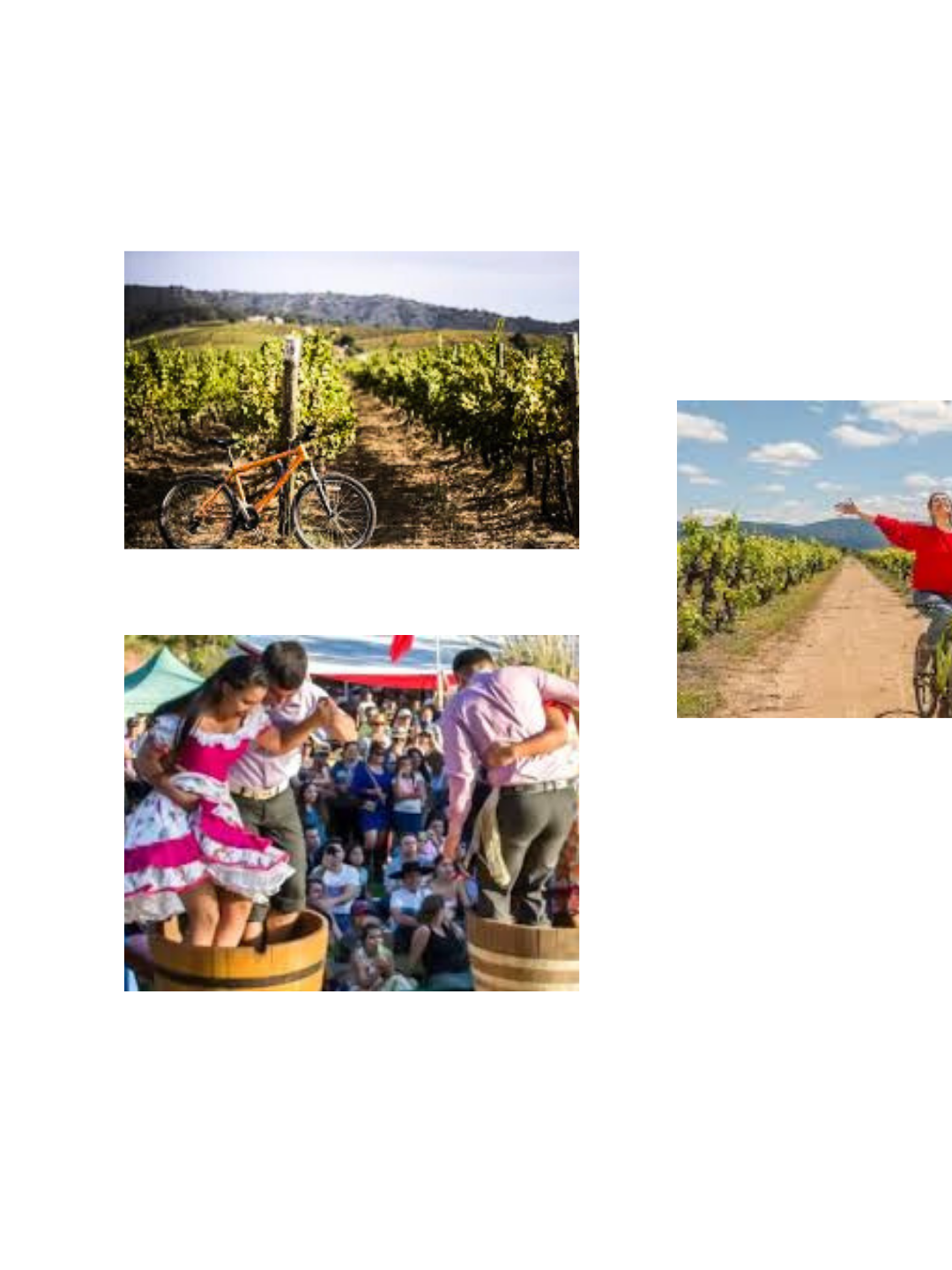
Chile’s harvest season offers one of South America’s most accessible and culturally resonant wine tourism experiences. Within a short radius of Santiago, five major valleys—Maipo Valley, Casablanca Valley, Colchagua Valley, Maule Valley, and Itata Valley—host vendimia celebrations that combine viticulture, gastronomy, music, and community identity.
From February through April, vineyards and town plazas become stages for grape-stomping rituals, folkloric performances, artisan markets, and curated tastings. These harvest events are not simply seasonal festivals; they function as expressions of territorial branding, reinforcing Chile’s positioning as a mature and diversified wine tourism destination.
Maipo Valley: Harvest at the Cradle of Chilean Cabernet
Just 45 minutes from Santiago, Maipo Valley anchors Chile’s historic wine narrative. Framed by the Andes foothills, the region is internationally associated with Cabernet Sauvignon and long-established estates.
Wineries such as Concha y Toro, Santa Rita, Undurraga, and Cousiño Macul offer structured tours beginning around CLP $20,500 (USD $25), integrating vineyard walks, cellar visits, and guided tastings. At Concha y Toro, visitors may encounter Don Melchor 2021, ranked number one by Wine Spectator in its Top 100 list—an accolade reinforcing the valley’s global prestige.
Maipo’s 2026 harvest calendar includes multiple festivals throughout March and April, culminating in the Maipo Valley Grape Harvest Festival (April 17–19). The programming blends traditional grape stomping with contemporary culinary showcases, illustrating how legacy estates adapt heritage rituals for modern audiences.
Casablanca Valley: Cool-Climate Harvest by the Pacific
Located 82 kilometers west of Santiago, Casablanca Valley benefits from maritime influence, positioning it as Chile’s benchmark for Sauvignon Blanc, Chardonnay, and Pinot Noir.
Producers including Casas del Bosque, Veramonte, Emiliana, and Indómita integrate sustainability and gastronomy into their visitor experiences, with tastings beginning around CLP $15,000 (USD $17).
The Casablanca Harvest Festival (April 11–12, 2026) emphasizes freshness, seafood pairings, and cool-climate identity—demonstrating how terroir informs event design.
Colchagua Valley: A Mature Harvest Destination
Approximately 2.5 hours south of Santiago, Colchagua Valley represents one of Chile’s most internationally recognized wine territories. Known for Carmenere, Cabernet Sauvignon, Syrah, and Malbec, it offers a well-developed wine tourism infrastructure.
Estates such as Montes, Viu Manent, Lapostolle, Casa Silva, and Viña Santa Cruz complement tastings (from CLP $11,000 / USD $12) with horseback excursions and heritage programming in Santa Cruz.
Its harvest season extends into early May, with Santa Cruz serving as the principal cultural hub.
Maule Valley: Rural Continuity and Varietal Diversity
Three hours from Santiago, Maule is Chile’s largest wine region and a stronghold of traditional varieties such as País and Carignan alongside international grapes.
Producers including Gillmore, Casa Bouchon, and Terranoble anchor visitor programming starting at CLP $12,000 (USD $13). The “Sabores del Maule” tourist train offers a mobility-based wine experience connecting Santiago with the valley’s vineyards—an innovative approach to regional integration.
Itata Valley: Heritage Renaissance
In the Ñuble Region, Itata Valley’s vines date back to the 16th century. Today, small-scale producers such as Männle, Santa Berta, Prado Vineyard & Winery, and Lomas de Llahuén are revitalizing País, Muscat of Alexandria, and Cinsault.
The Portezuelo Harvest Festival (April 11, 2026) reflects a community-driven model where wine tourism supports heritage preservation.
Harvest season near Santiago illustrates how Chile has successfully integrated viticulture with destination development. Within a few hours of the capital, visitors encounter diverse terroirs, distinct varietal identities, and layered cultural programming. The vendimia is not simply a celebration of grapes; it is a strategic tourism asset reinforcing regional identity, economic vitality, and global visibility.
For travelers seeking accessibility combined with authenticity, Chile’s harvest valleys present a compelling and cohesive wine tourism landscape.