Champagne Telmont: Where Heritage Meets the Future of Sustainable Champagne + Wine Review

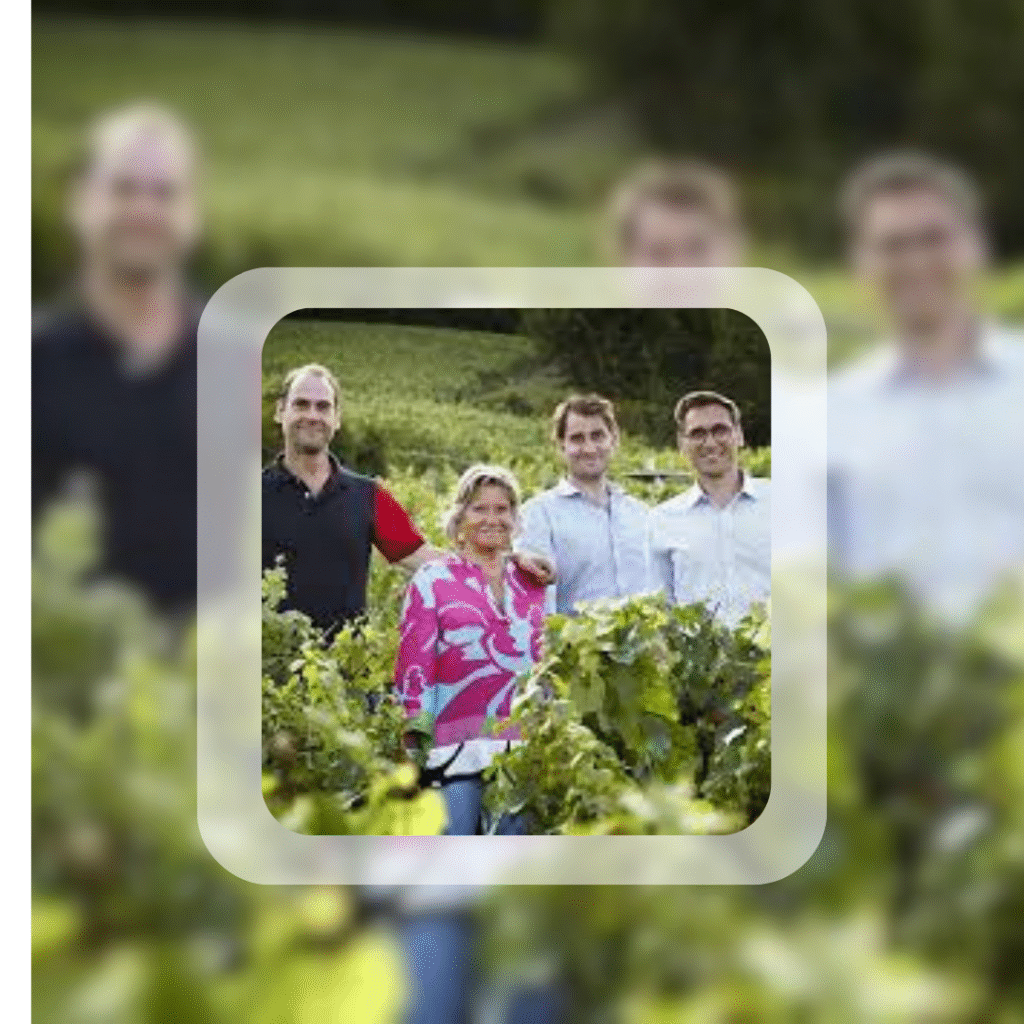
 Champagne is a region built on centuries of tradition, but every so often, a house emerges that doesn’t just update the rule book; it edits the whole document. Telmont, the organically driven, sustainability-obsessed house from Damery, is one of the most compelling modern narratives in Champagne today. With a history that stretches back more than a century and a present that leans confidently into ecological transformation, Telmont stands at the crossroads of heritage and next‑generation innovation.

A Champagne House Born in 1912 and Reborn in the 21st Century

Telmont was founded in 1912, when winegrower Henri Lhôpital established a small estate rooted in traditional Champagne viticulture. For much of the 20th century, the family-built maison remained a local, agriculture‑focused producer, known for meticulous vineyard work and precise blending.

The plot twist arrived in 2020, when Telmont received significant support from partners aligned with its environmental mission, including an investment from actor and environmental advocate Leonardo DiCaprio in 2022. Rather than pivot toward celebrity gloss, Telmont doubled down on its ecological commitments. By 2025, the house had emerged as one of Champagne’s most resolute voices in sustainability, championing:

  • Organic certification for 100% of its vines (a multi‑year transition nearing completion)
  • Zero unnecessary packaging
  • Full transparency in labelling
  • Renewable energy integration
  • A “leave no trace” approach across production and the supply chain

This ethos has earned Telmont a devoted following among sommeliers, collectors, and environmentally conscious drinkers, including the sustainably minded Gen Z audience, who treat vineyard biodiversity with the same reverence earlier generations reserved for luxury labels.

Location

Telmont’s home village of Damery sits in the Vallée de la Marne, west of Épernay. Historically dominated by Meunier, the region benefits from clay‑rich soils and cooler ripening conditions that allow the grape to express freshness and aromatic precision.

The estate farms vineyards in Damery as well as parcels in nearby villages, including Cumières, Hautvillers, and Boursault, creating a diverse mosaic of chalk, clay, sand, limestone, and flint soils. This range enables Telmont to craft blends that emphasize finesse, lift, and orchard‑fruit purity.

Damery itself offers a humble, pastoral counterpoint to Champagne’s grander tourism hubs. It is a village where winemakers still know their neighbours, tractors hum through the early morning light, and the Marne River glints softly between vineyard slopes.

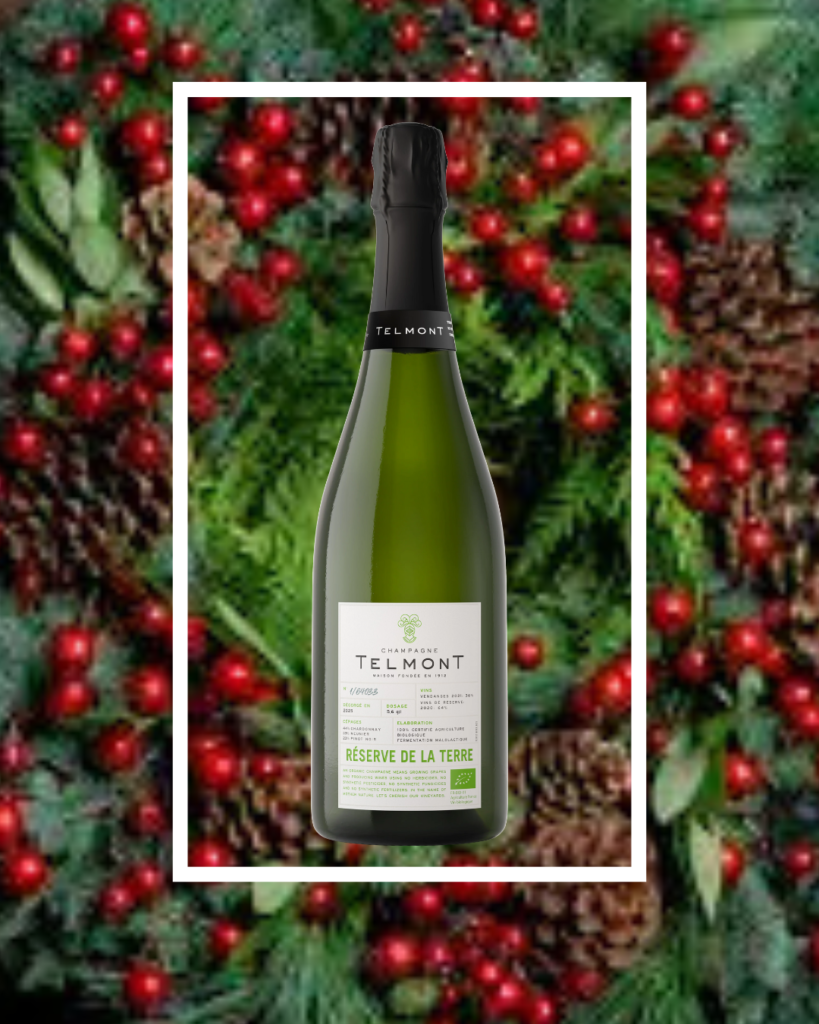
Telmont Réserve Brut – Wine Review

No. 145037/312589
Disgorged in 2024
Dosage 3.4 g/l
40% Chardonnay
29%Meunier
31% Pinot Noir
Extra Brut

The Réserve Brut is Telmont’s thesis statement: a Champagne that foregrounds orchard fruit, chalk‑driven minerality, and winemaking restraint.

Appearance: A luminous golden hue with fine, persistent bubbles and an elegant mousse.

Aromas: Pear, apple, and peach, layered with hints of honeysuckle and almond.

Palate: Crisp apple and citrus notes intertwine with delicate brioche, supported by precise, refreshing acidity. The mousse is refined and persistent, carrying a mineral thread from start to finish.

Finish: Long, harmonious, and mineral‑driven, with lingering notes of candied fruit and citrus that echo the Vallée de la Marne’s signature finesse.

This is a Champagne that feels effortlessly composed, akin to a minimalist painting where every brushstroke matters.

92 Points
Liz Palmer

There are many reasons why I chose Champagne Telmont as one of my holiday favourites, including their wines’ favouring clarity over artifice, vineyard truth over marketing gloss, and ecological health over short-term convenience. In 2025, that stance resonates with a global audience seeking luxury aligned with values.

This house bridges Champagne’s agricultural past with its environmentally conscious future, proving that sustainability is not a trend, but a pathway to deeper, more authentic expression.

Holiday Indulgence: Curated Champagnes, Wines + Spirits Worth Savouring

The holidays arrive not simply as a date, but as a shift in rhythm, a soft glow settling over the season, where ritual, elegance, and togetherness take centre stage. It’s the moment when the bottles we open matter just as much as the company we keep, and when craftsmanship becomes part of the celebration.

Starting this week, I’ll be launching an editorial series dedicated to the most compelling champagnes, wines, and spirits of the season. Each bottle is selected for its pedigree, its precision, and the narrative woven through its creation. Think heritage, terroir, and the subtle artistry that defines truly exceptional producers and distillers.

Each instalment will unveil standout labels, complete with tasting notes, pairing inspiration, and glimpses into the wine tourism landscapes that bring these bottles to life. These aren’t mere recommendations; they’re curated experiences, designed to transport, enchant, and elevate your holiday table.

Whether you’re leaning into intimate fireside evenings or hosting gatherings that shimmer long past midnight, this series is crafted to inspire. Follow along for weekly editions that let the season unfold in layers of flavour, culture, and holiday sophistication, making every pour feel like a moment worth savouring.

Liz Palmer

The Return of Pink Chardonnay: A Lost Heir Rejoins Champagne’s Noble Lineage

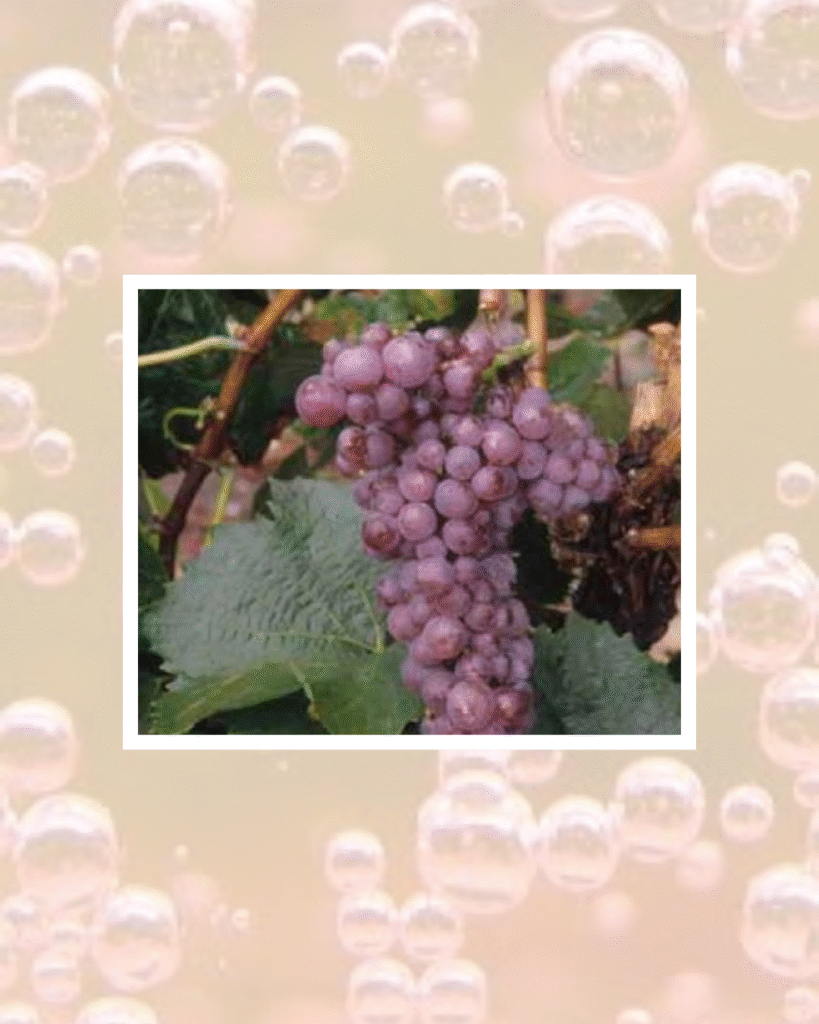
Pink Chardonnay, officially recognized in the Champagne appellation since July 31, 2025, marks a historic return of a nearly forgotten grape variety to its rightful place in the region’s viticultural legacy. A natural mutation of white Chardonnay, this rediscovered gem becomes the eighth authorized grape variety in Champagne, joining the traditional seven and reflecting both heritage preservation and forward-thinking adaptation to climate change.

A Return to Heritage

First identified in the early 1900s in both Champagne and Burgundy, Pink Chardonnay [also known as Chardonnay rose] had long lingered in obscurity. Sustained only by the dedication of a few visionary growers, it was largely confined to experimental collections or isolated vineyard rows. Its inclusion in the French National Catalogue in 2018 conferred official recognition, enabling its propagation and preservation as part of France’s viticultural biodiversity.

Official Recognition and Symbolic Significance

The decision to include Pink Chardonnay in the Champagne appellation’s official specifications symbolizes a renewed commitment to genetic diversity and historical authenticity. Pink Chardonnay is a spontaneous natural mutation, proof that innovation in viticulture can arise organically from nature itself. This recognition not only restores a piece of Champagne’s past but also reflects the region’s intelligence in adapting to new environmental realities.

Viticultural and Oenological Qualities

In both the vineyard and the cellar, Pink Chardonnay closely mirrors its white counterpart. Its agronomic behaviour and oenological performance demonstrate similar freshness, balance, and finesse, qualities that have long defined the elegance of Champagne wines. Yet, beyond its technical attributes, the grape’s deeper value lies in its narrative: a story of rediscovery, resilience, and the enduring dialogue between tradition and innovation.

Diversity Within Continuity

While Pinot Noir, Meunier, and white Chardonnay continue to dominate Champagne’s 34,000 hectares of vines, minority varieties, including Arbane, Petit Meslier, Pinot Blanc, Pinot Gris, and now Pink Chardonnay, account for only 0.5% of total plantings. Their preservation reinforces Champagne’s identity as a living, evolving ecosystem, one that values both its cultural roots and its scientific capacity for renewal.

Learn more at www.champagne.fr

Emirates Elevates Luxury Inflight Experience with Dom Pérignon Rosé  Champagne in First Class

Emirates has further strengthened its reputation for offering one of the world’s most exclusive inflight wine and champagne selections by introducing Dom Pérignon Rosé Vintage 2009 to its first-class menu. This distinguished cuvée will be available for a limited time across all Emirates routes departing from Dubai.

The airline maintains exclusive global rights to serve Dom Pérignon Champagne onboard, including the Dom Pérignon Vintage 2015 and the Dom Pérignon Plénitude 2 2006, which already feature prominently on its first class offering.

Emirates has invested more than USD 1 billion into its wine program over the past 16 years, with its dedicated wine cellar in France currently holding a remarkable 6.5 million bottles. This long-term commitment underscores the carrier’s dedication to curating a refined and unparalleled gastronomic experience in the skies.

Dom Pérignon Rosé 2009

Dom Pérignon Rosé 2009 is crafted with a higher proportion of Pinot Noir than its classic counterpart, is renowned for its intense color, bold structure, and layered complexity. Emirates describes it as embodying the richness of a “generous growing season,” with tasting notes highlighting a bouquet of rose petals, orange oil, and saffron, followed by vibrant flavors of raspberry, cherry, cassis, and fig, deepened by undertones of liquorice and gingerbread.

By adding this celebrated vintage to its portfolio, Emirates reinforces its position as a leader in luxury air travel, where fine wine and Champagne form an integral part of the passenger experience.

Carol Duval-Leroy Named Officer of the Legion of Honour for Her Pioneering Role in Champagne

In a momentous acknowledgment of her exceptional contributions to viticulture and French cultural heritage, Carol Duval-Leroy, President of Maison Duval-Leroy, has been named Officer of the Legion of Honour, one of France’s highest civilian accolades.

This prestigious distinction not only honours her unwavering dedication to the Champagne region but also recognizes over three decades of exemplary leadership, innovation, and advocacy within the global wine industry. Under her stewardship, Maison Duval-Leroy has become a paragon of quality and sustainability, balancing tradition with progressive viticultural practices.

Carol Duval-Leroy’s accolade is a powerful testament to her role as a trailblazer, championing excellence, empowering women in wine, and preserving the cultural legacy of Champagne for future generations.

Her journey continues to inspire both industry peers and aspiring professionals around the world.