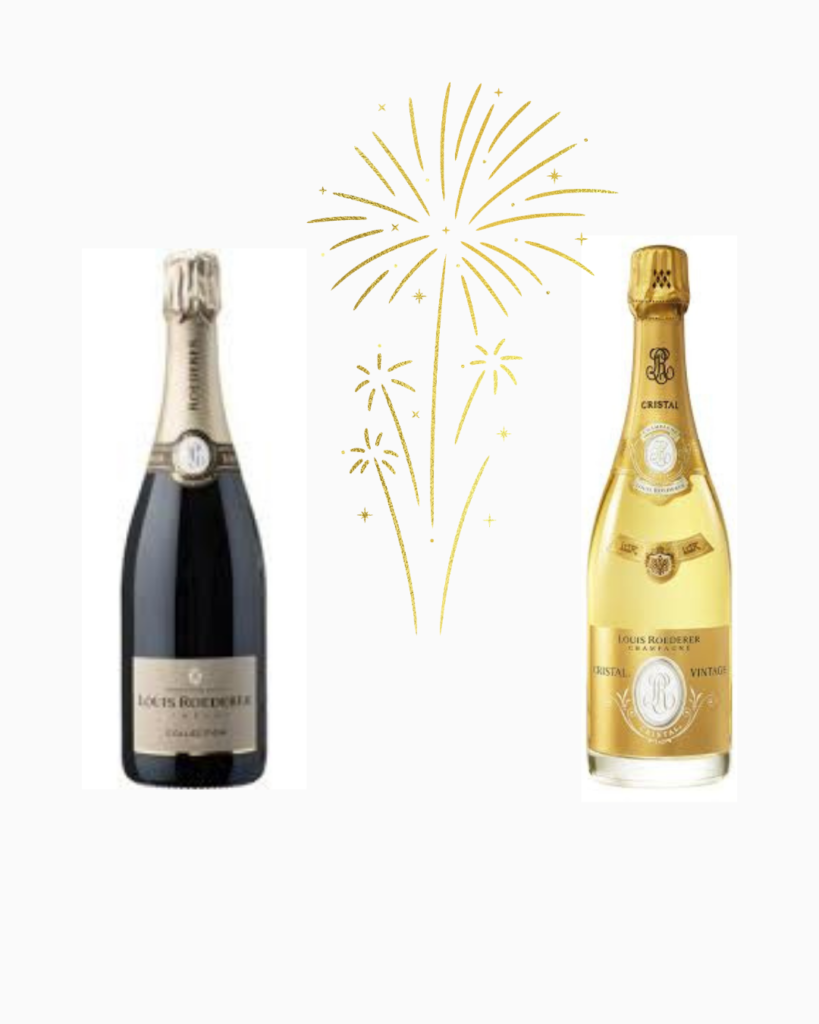
Pre–New Year’s Dinner: Why Louis Roederer Collection 245 and Cristal 2016 Redefine Celebration


Some evenings feel like prologues. The eve before New Year’s Eve is one of them, less noise, more contemplation. It’s the space where conversation deepens, and Champagne becomes less of a party trick and more of an essay in liquid form.

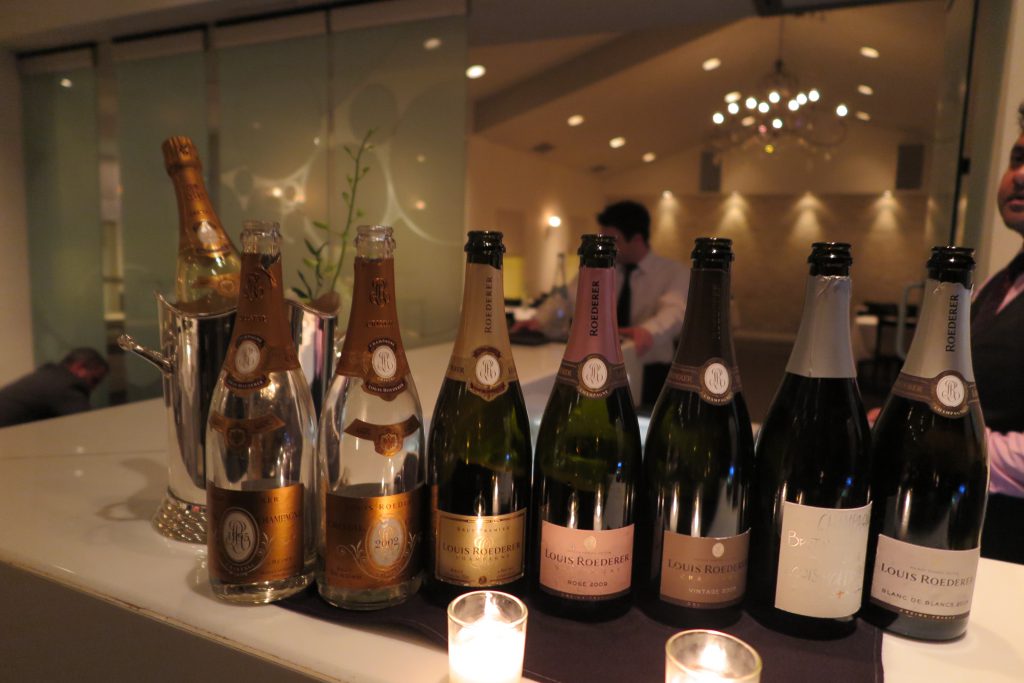
This year, my pre–New Year’s dinner is guided by the ethos of Louis Roederer: discipline in the vineyard, patience in the cellar, and a refusal to perform theatrics for their own sake. To explore that ethos at the table, I’ve chosen two Champagne classics whose architecture and restraint echo this sensibility: Louis Roederer Collection 245 and Louis Roederer Cristal 2016.

The House: Louis Roederer Precision as Philosophy

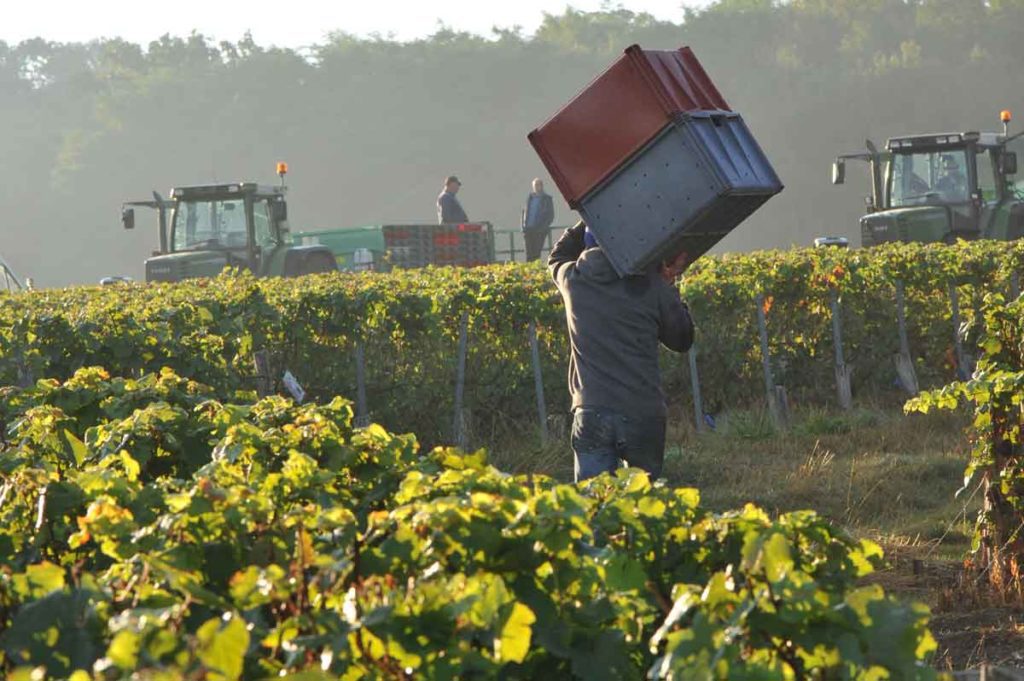
Founded in 1833 and based in Reims, Louis Roederer evolved from a respectable maison into one of Champagne’s most quietly rigorous estates. By the mid-19th century, Roederer did something radical for the time: it began purchasing vineyards rather than relying solely on growers. Controlling fruit quality became a long game, not an annual negotiation.

Today, the estate owns almost 250 hectares, with an increasing emphasis on organic and biodynamic practices. This underpins the house’s unmistakable personality: depth without heaviness, tension without austerity, and a calm, almost meditative finish.

Wine Tourism: Less Spectacle, More Insight

Visiting Roederer isn’t about neon-lit cellars and selfies with sabres. Experiences tend to privilege understanding over spectacle.

The estate provides guided vineyard walks, cellar visits, and tastings that unpack:

  • The role of reserve wines
  • The quiet architecture of blending
  • How climate change is reshaping decisions in real time

These experiences feel more like seminars than shows – the kind of visit that leaves your notebook full and your mind happily buzzing.

On the Table with Roederer’s Spirit

Louis Roederer Collection 245

This is Roederer’s perpetual-reserve concept in motion – perfect rhythm and balance. In the glass, the bubbles are fine and controlled. Aromatically, there are hints of ripe pear, Golden Delicious apple, lemon zest, and a faint line of brioche. There’s a saline whisper running underneath. On the palate, it moves with precision: orchard fruit, a touch of almond, subtle creaminess, and a clean, linear finish that leaves a chalk-dust memory.

Pairing for our pre–New Year’s dinner

This is the “conversation starter” wine. I paired this wine with oysters, with a light mignonette, and scallop carpaccio – dishes that respect the structure without overpowering it.

Louis Roederer Cristal 2016

The 2016 is sculpted: luminous citrus, white peach, subtle apricot skin, and that crystalline chalk character that defines Roederer’s grandest vineyards. There’s also a hint of hazelnut and delicate pastry, sitting quietly behind the mineral spine. The palate feels both weightless and deep, with a long, resonant finish. That’s power.

Pairing for a pre–New Year’s dinner

This wine was served later in the progression. I paired it with butter-poached lobster and roast capon with thyme and lemon. Perfection.

Why Louis Roederer Collection 245 and Louis Roederer Cristal 2016 Before New Year’s?

Because the night before the noise deserves reflection. Louis Roederer’s philosophy grounds the evening – time and patience.

And as the calendar inches toward midnight the next day, this pre-new year’s dinner became a quiet rehearsal, acknowledging change -reviewing the year before we write the next chapter.

Louis Roederer Launches Single-Vineyard Still Wines

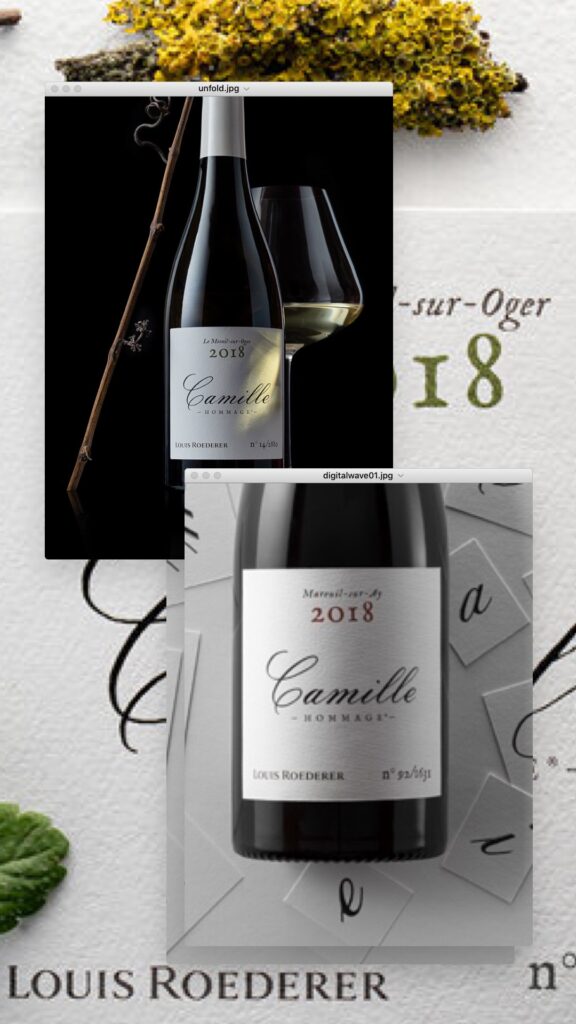
Champagne house Louis Roederer has launched a pair of single-vineyard Coteaux Champenois wines, known collectively as ‘Hommage a Camille’.

Named after Camille Olry-Roederer, the great-grandmother of the house’s current CEO, Frederic Rouzaud, the wines are single-site, varietal Pinot Noir and Chardonnay.

The Pinot Noir is made from a plot of 43 ‘ares’ (100 ares to a hectare) in the ‘Charmont’ lieu-dit in Mareuil-sur-Aÿ, while the Chardonnay is from an old 55-ares plot in the ‘Volibarts’ lieu-dit in Le Mesnil-Sur-Oger.

The Pinot Noir is known as ‘Camille Charmont’ and the Chardonnay known as ‘Camille Volibarts’ are from the 2018 vintage.

The house said in a statement that both wines are the result of, “a long process of observation and experimentation”, which reveals, “another facet of the Champagne terroirs”. The house’s cellar master, Jean-Baptiste Lécaillon, has been experimenting with still wines since at least 2002.

Camille Olry-Roederer took over the running of the Roederer company after the death of her husband Léon in 1932. She remained in charge until 1975 and was known to be especially fond of the house’s still wines.

The wines will be released in March, with the Pinot Noir priced at €160 (£155) and the Chardonnay at €140 (£130). Production figures are low: 1,631 bottles of the Pinot and 2,880 of the Chardonnay.

 Subscribe for daily updates https://www.liz-palmer.com/


Louis Roederer launches first biodynamic champagne

Louis Roederer has announced this week the release of its 2012 Cristal, the first to be made from 100% biodynamically farmed grapes. The house has been implementing biodynamics in its vineyards for the past 10 years and so far has converted 50% of their plots, while the remainder is 50% organic.

Louis Roederer has hailed the release as the “first-born from this new viticulture”. The 2012 vintage is a blend of 60% Pinot Noir and 40% Chardonnay with a dosage of 7.5g/l.

The 2012 vintage was described in a statement as “one of the most challenging and complicated years ever experienced in Champagne”, and while yields were low, warmer weather towards the end of the season led to “unusual levels of maturity” and with that, “full-bodied and structured wines”.

Website:  https://www.louis-roederer.com


Louis Roederer Releases Cristal Vinothèque

Champagne Louis Roederer has released the first of its limited edition, extra-aged Cristal, known as ‘Vinothèque’.

The release covers both the 1995 brut and 1996 rosé, which were disgorged over 10 years ago but then kept back in Roederer’s cellars for further aging.

The Vinothèque wines have a slightly lower dosage of 7g/l compared with the usual 9g/l for the standard Cristal expression due to longer lees ageing.

Just 400 bottles of the brut and 200 bottles of the rosé have been released meaning global allocations are extremely tight.

No larger formats have been released – this time. Both wines were introduced by the house at a “surrealist spectacular” at their head office early October to celebrate their 241st anniversary.

Although Roederer’s executive vice-president, Michel Janneau, conceded that the amount of wine released was “infinitesimally small”, he added, “fear not – it is not without sequel; other vintages will follow this.”

Happy International Chardonnay Day (May 25th) and What is Blanc de Blancs Champagne

First of all Blanc de Blancs is a French term that means “white from whites”, and is used to designate Champagnes made exclusively from Chardonnay grapes.

Secondly – Champagne Geography – the key districts for Blanc de Blancs are the Côte des Blancs and Côte de Sézanne. The Côte des Blancs is particularly famous for its Chardonnay and yield the best examples of this style. The six grand cru villages include: Avize, Chouilly, Cramant, Le Mesnil-sur-Oger, Oger and Oiry. In Champagne, unlike Burgundy, the grand cru classification is linked to its villages and not vineyards. The designation denotes not only the highest-quality grapes—but also, generally, those that command the highest prices.

Thirdly, the differences in aromas and flavors are attributable to terroir. For instance, the Côte de Sézanne tends to yield riper fruit, hence riper wines. Other differences are the result of winemaking techniques, the degree of dosage, and other variables.

A classic Blanc de Blancs is restrained and elegant when its young, yet with ageing, it develops a mouth-coating brioche richness that overlays an intense expression of fruitiness.

Blanc de blancs Champagne is vibrant in its acidity it wants nothing more than to throw itself into comfort foods, seafood, and fried foods.

Producers include Salon, Billecart-Salmon, Jacques Selosse, Dom Ruinart, Krug, Guy Larmandier, Champagne R&L Legras, Champagne Henriot, Pol Roger, Krug, Louis Roederer, Dom Ruinart, Vilmart, Taittinger, and J. de Telmont  – also seek out smaller producers, you will be surprised and delighted.