OIV Releases 2025 World Wine Production First Estimates

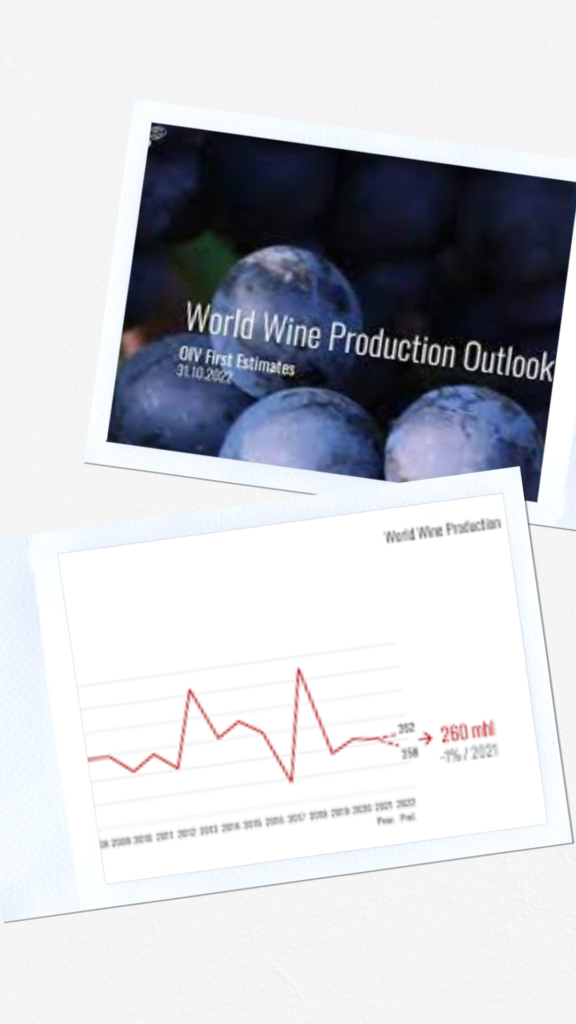
The International Organisation of Vine and Wine (OIV) published yesterday its annual first estimates for global wine production in 2025.

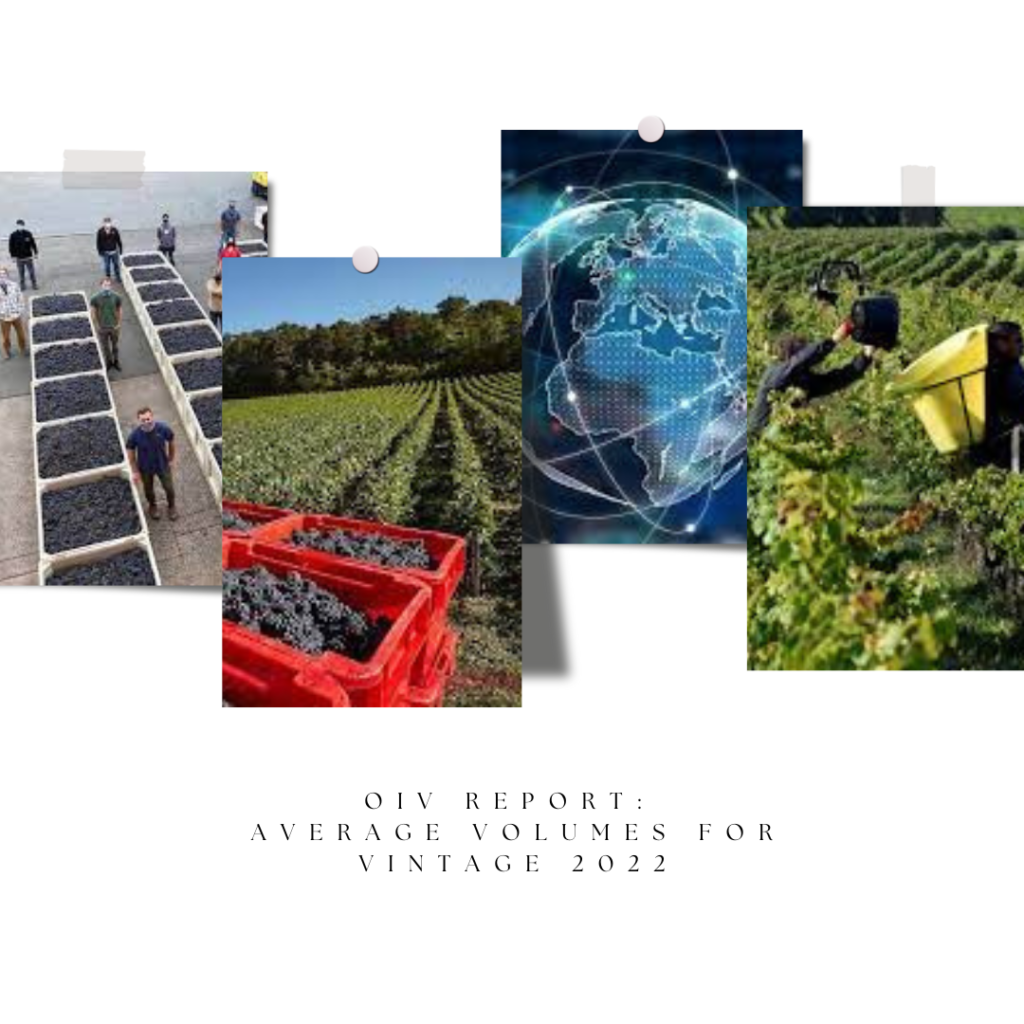
The initial forecast for 2025 is between 228 and 235 million hectolitres, with a mid-range estimate of 232 million hectolitres. That is a 3% increase on the historically low 2024 harvest, but still 7% below the 5-year average.

Italy remains the world’s largest wine producer in 2025 (47.3 Mhl), ahead of France  (35.9 Mhl) and Spain (29.4 Mhl). The USA is fourth, while Australia bounces back from the smaller 2024 harvest to regain its place as the world’s fifth producer in 2025, ahead of sixth-placed Argentina, which is the biggest producer in South America.

Despite regional contrasts, the global wine market is likely to remain broadly balanced, as limited production growth will help to stabilize stocks in a context of softening demand and ongoing trade uncertainties.

These first estimates are presented in a new report available on the OIV website (World Wine Production Outlook) and will be updated according to the last 2025 consolidated data. The final data on 2025 global wine production will be announced by the OIV in the second trimester of 2026 and published in the annual OIV report: “State of the World Vine and Wine Sector”.

About the OIV
The International Organisation of Vine and Wine (OIV) The OIV is a scientific and technical intergovernmental organization, and the world reference to the vine and wine sector. The OIV currently has 51 Member States, countries producing and consuming grapes and wine, which account for 90% of the world’s vineyard surface area, 88% of global wine production and 75% of global wine consumption. Twice a year, over 500 experts come together to assess, discuss and approve by consensus resolutions on the following:

1/ Viticulture and table grapes

2/ Oenology and methods of analysis

3/ Law and economics of the vine and wine

4/ Consumer health and safety

For a century, the OIV has been at the forefront of all global vitivinicultural matters, providing standards, guidance and information for the vine and wine sector.

OIV reveals growing role of re-export hubs in global wine trade

A new report from the International Organisation of Vine and Wine (OIV) shows how re-exportation has become a structural force in the global wine market, shaping trade flows and value creation across continents.

Re-exportation reshaping global wine trade

The OIV’s latest Statistical Thematic Focus 2025, titled “The Global Trade in Wine: Role and Relevance of Re-exportation Hubs”, offers the first comprehensive estimate of global wine re-exports. It finds that re-exportation now represents a key driver in how wines reach new markets and consumers.

What is wine re-exportation?

Traditional wine-producing and exporting countries are typically located around the 40th parallel in both hemispheres. However, some nations export substantial quantities of wine despite producing little to none. This suggests that their wine exports originate from previously imported wine – a practice known as re-exporting.

According to the OECD glossary of statistical terms, “re-exports consist of foreign goods exported in the same state as previously imported, from the free circulation area, premises for inward processing or industrial free zones, directly to the rest of the world and from premises for customs warehousing or commercial free zones, to the rest of the world.”

Between 2018 and 2023, re-exports accounted for around 13% of total wine exports – equivalent to 14 million hectolitres valued at €4.6 billion. The report highlights how this activity supports market access and value creation beyond production, through logistics, bottling, storage and redistribution.

According to the OIV, the global wine trade now represents 47% of world consumption. Traditional European trading centres such as the United Kingdom continue to serve as major redistribution platforms, while new high-value gateways like Singapore have emerged in Asia. The report also points to Canada and Angola as rising regional connectors that are helping to diversify global trade routes.

“Re-exportation reveals the real geography of wine flows,” the OIV notes, “distinguishing between where wines are produced, traded and consumed.”

Global exports show steady long-term growth

Wine exports have grown steadily over the past two decades, with the share of exported wine in total global consumption rising from 5% in 1960 to nearly half by 2024. Since 2000, exports have increased by 4% per year in value, though volume growth has slowed to 2%.

In 2024, non-sparkling bottled wines made up two-thirds of total export value (€24 billion) and just over half of global export volume. Sparkling wines, which account for only 11% of volume, contributed almost a quarter of total value, reflecting their higher average prices. Bulk wines comprised nearly one-third of export volume but only 7% of total value.

Sparkling wines have shown the fastest growth since 2017, with value up 4.8% per year and volume up 3%. Non-sparkling bottled wines have shifted towards premiumisation, with value increasing 3.8% per year between 2009 and 2024 despite flat volumes.

The top three exporters – Italy, Spain and France – together represent 55% of global export volume. The ten largest exporting countries account for 85% of exports, underlining the sector’s high concentration.

A more complex, interconnected market

The OIV concludes that re-exportation has become a “structural element” of the global wine economy, shaping not only how wine moves but how it creates value. As trade routes evolve and new hubs emerge, understanding these flows will be critical for anticipating demand, improving transparency and strengthening market resilience.

The full report, “The Global Trade in Wine: Role and Relevance of Re-exportation Hubs”, is available on the OIV website: www.oiv.int.

Sources: OIV and The Drinks Business

OIV’s 2024 Report on the Global Wine Sector: Emphasizing Adaptation and Multilateral Cooperation

The International Vine and Wine Organisation (OIV) reinforced the importance of multilateral cooperation and adaptation to changing conditions, as global data on the wine sector in 2024 was released at its online Press Conference April 15th,2025.

The OIV also released statistics on production, consumption and trade from all producing and consuming nations (over 180) to create a snapshot of the sector in the 2024 calendar year.

The data highlights the effects of climate change, shifting consumer preferences and geopolitical uncertainty upon the sector.

OIV Director General, John Barker, said that these impacts present a challenge of adaptation for the wine sector, but that successful adaptation would bring opportunities.

“Working together to develop solutions to climate change and making wine a beacon of sustainability; investing in research on new audiences so that we can see wine through their eyes; reinforcing our commitment to multilateralism and global trade: these are the elements that will lead the wine sector forward.

The OIV has a key role as the global reference for vine and wine, uniting 51 countries to promote cooperation, harmonization and knowledge sharing around the key challenges and opportunities for the sector.”

KEY DATA AND INSIGHTS

Decrease in global vineyard area slows

The global vineyard surface area has been decreasing for the past four years. A contraction of 0.6% to 7.1 million hectares in 2024 showed a slower rate of decrease. The downward trend is driven by vineyard removals across major vine growing regions, but a few countries are showing a dynamic of expansion of their vineyards.

World wine production faces climate change

Global wine production in 2024 is estimated at 226 million hectolitres, the lowest in over 60 years, down 5 % compared to 2023. This is largely due to unpredictable and extreme weather events in both Northern and Southern Hemispheres caused by climate change.

New consumption patterns and diversity of the markets

In 2024, global wine consumption is estimated at 214 million hectolitres (mhl), a 3.3% decrease compared to 2023. If confirmed, this would represent the lowest global consumption level since 1961.  This is due to an intersection of economic and geopolitical factors generating inflation and creating uncertainty, as well as a decline in mature markets shaped by evolving lifestyle preferences, shifting social habits and generational changes in consumer behaviour.  However, across 195 countries, wine has never been so widely consumed worldwide. It has also been recalled that a number of countries that combine strong overall consumption with very large populations still offer significant growth potential.

Equilibrium between production and demand

Despite ongoing declines in both production and consumption, global market equilibrium is expected to hold in 2024, as production is unlikely to exceed demand_ continuing the trend seen with the small 2023 harvest. Two consecutive years of low output may help stabilize the market, though stock levels are likely to remain uneven across regions.

International trade holds volumes and value

Export volumes held steady at 99.8 million hectolitres (mhl). Export value slightly declined by 0.3% to 36 billion EUR, but remains at a historically high average export price of 3.60 EUR/litre. Inflation and low supply continue to keep prices high compared to pre-pandemic years (almost 30% above).

Moldova to Host 46th World Congress of Vine and Wine

Moldova is set to become the world capital of wine as it hosts the 46th World Congress of Vine and Wine from June 16 to 20, 2025. This event, organized by the International Organization of Vine and Wine (OIV), will take place in Chișinău, Republic of Moldova.

The Ambassador of the Republic of Moldova to France Corina Călugăru states – “It is an honor for the Republic of Moldova to be the global capital of wine in 2025. This event will highlight the efforts and enthusiasm of Moldovan producers, who turned winemaking into a reference sector for the country’s economy.”

OIV Director General John Barker said that the theme of this year’s congress reflects the organization’s strategic priorities: “Charting the Future of Vine and Wine: Embracing Resilience, Elevating Value, Fostering Innovation”. Barker also noted that Moldova has a “special calling” for winemaking, and this sector represents a fundamental element of the economy, culture and national history.

In the same connection, state secretary of the Ministry of Agriculture and Food Industry Andrian Digolean highlighted the spectacular progress of Moldovan winemaking. “Ten years ago, this was a dream, and today it has come true. Moldovan wines are present in over 70 countries and have won over 7,000 international awards in the last decade.”

This is an exciting time for Moldova and the global wine community! 🍷

Source:   International Organization of Vine and Wine

OIV Resolution: “Old Vines” Gain Official Status: What This Means for the Industry

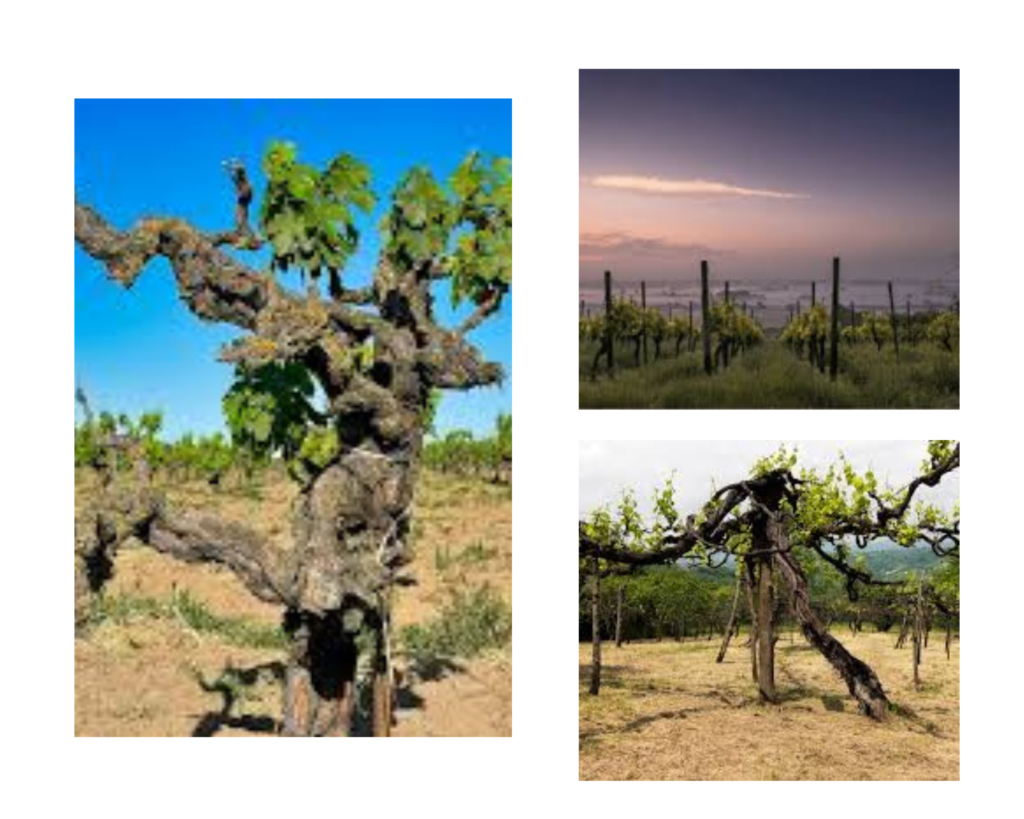
The International Organisation of Vine & Wine (OIV) has marked a historic moment for the wine world. During the 22nd OIV General Assembly, Resolution OIV-VITI 703-2024 was adopted, officially defining and recommending standards for “old grapevines” and “old vineyards” in the vitivinicultural sector. This groundbreaking decision recognizes the essential contributions of global initiatives, including The Old Vine Conference, The Old Vine Project, The Old Vine Registry, and Censimento Vecchie Vigne.

Key Definitions:

  • Old Grapevines: A vine officially documented to be 35 years or older, including grafted vines where the connection between rootstock and scion remains undisturbed for at least 35 years.
  • Old Vineyards: Legally delimited vineyard blocks where 85% or more of the vines meet the old vine criteria.

This resolution, the culmination of extended discussions among the OIV Commission Viticulture Experts and consultations with member states, establishes a pivotal framework for vine preservation. Sarah Abbott MW, co-founder of The Old Vine Conference, remarked:

“This is a milestone for the global old vine movement. The EU’s required consideration of OIV recommendations could significantly influence future regulations, particularly in preventing uprooting programs.”

Old Vine Conference 2025: A Global Spotlight

Following this announcement, The Old Vine Conference continues to expand its impact. Next week, it hosts the Old Vine Wine Week (Nov. 18–24), and in 2025, it will bring its prestigious conference to California, further amplifying the importance of heritage vines.

Connect with the Movement:

Website: www.oldvines.org

Instagram:  @ouroldvines