
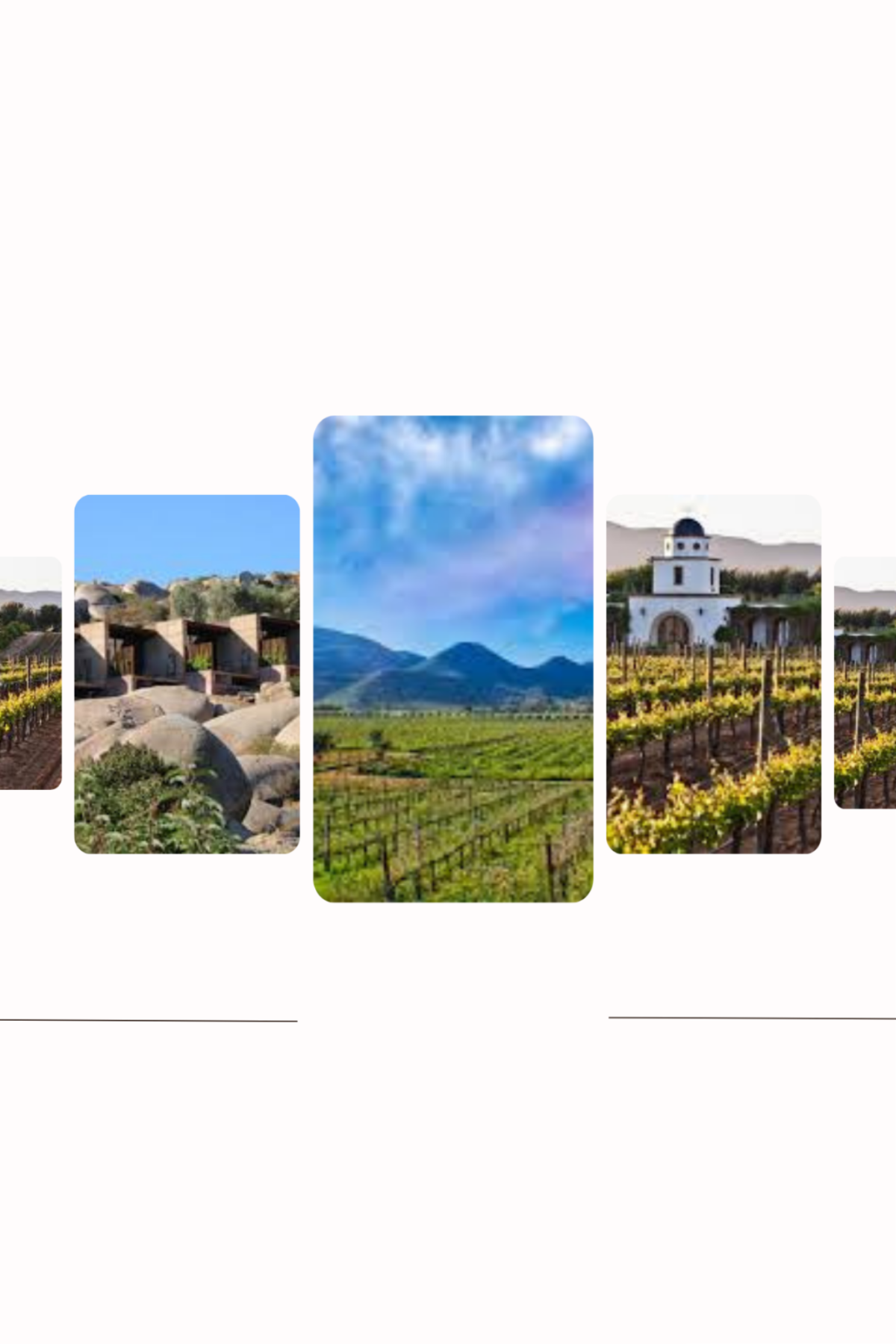
Long regarded as the epicentre of Mexican viticulture, Valle de Guadalupe in Baja California has entered a new phase of international prominence. No longer simply Mexico’s leading wine-producing region, the valley is now recognized as a sophisticated wine tourism destination that seamlessly integrates terroir expression, gastronomy, architecture, sustainability, and experiential luxury.
With Mediterranean climatic influences, a dynamic community of producers, and an increasingly refined hospitality infrastructure, Valle de Guadalupe is earning a respected place on global restaurant lists and in international travel discourse. The region’s evolution signals not only agricultural success, but the maturation of an integrated wine tourism ecosystem.
Located 90 minutes south of the U.S. border, Valle de Guadalupe accounts for more than 70% of Mexico’s wine production. Its Mediterranean-like climate, warm, dry summers tempered by Pacific breezes, provides ideal growing conditions for varietals such as Cabernet Sauvignon, Nebbiolo, Tempranillo, Grenache, and Chenin Blanc.
Last year the region welcomed over one million visitors, marking a significant milestone in its transition from domestic wine route to internationally recognized enotourism destination. This growth reflects a broader global appetite for immersive wine travel, where visitors seek not only tastings, but narrative, place, and authenticity.
The wine sector contributes more than 7 billion pesos annually to the regional economy, with ripple effects across agriculture, gastronomy, architecture, transportation, and premium lodging. Crucially, visitor profiles indicate increased average spending and extended stays.
Among the drivers of Valle de Guadalupe’s rising international visibility is El Cielo Resort, a property that exemplifies the region’s strategic positioning within the premium tourism segment. By combining estate-grown wines, curated tasting experiences, fine dining, and luxury accommodations within a cohesive architectural landscape, the resort illustrates how hospitality can amplify regional identity.
The evolution of visitor expectations in 2025 further accelerated the region’s growth. Two dominant trends have shaped Valle de Guadalupe’s current trajectory:
Experiencing Valle de Guadalupe: A Strategic Tourism Model
Valle de Guadalupe’s tourism strength lies in its integrated offering:
Wine Tasting Tours – A diverse portfolio of boutique and architecturally distinctive wineries delivers high-quality tastings rooted in terroir expression.
Gastronomy – Baja California’s farm-to-table culinary movement has become inseparable from the wine route, reinforcing destination appeal through hyper-local sourcing and contemporary Mexican cuisine.
Luxury Lodging – Vineyard-view suites, design-led boutique hotels, and estate-based accommodations extend visitor dwell time and elevate the experiential narrative.
Sustainability Integration – Eco-practices enhance both environmental resilience and brand value.
Cultural Immersion – Agricultural heritage, artistic communities, and evolving Mexican wine identity provide depth beyond the glass.
With increasing international acclaim and expanding global traveler interest, the valley is positioned to consolidate its status as Latin America’s leading wine tourism hub. As infrastructure continues to mature and sustainability initiatives deepen, Valle de Guadalupe demonstrates how emerging wine regions can transition from production centres to globally respected destination brands.