Category: Wines of Chile

  • Harvest Season in Chile: Wine Tourism Events Near Santiago from Maipo to Itata (2026 Guide)

    Harvest Season in Chile: Wine Tourism Events Near Santiago from Maipo to Itata (2026 Guide)

    Chile’s harvest season offers one of South America’s most accessible and culturally resonant wine tourism experiences. Within a short radius of Santiago, five major valleys—Maipo Valley, Casablanca Valley, Colchagua Valley, Maule Valley, and Itata Valley—host vendimia celebrations that combine viticulture, gastronomy, music, and community identity.

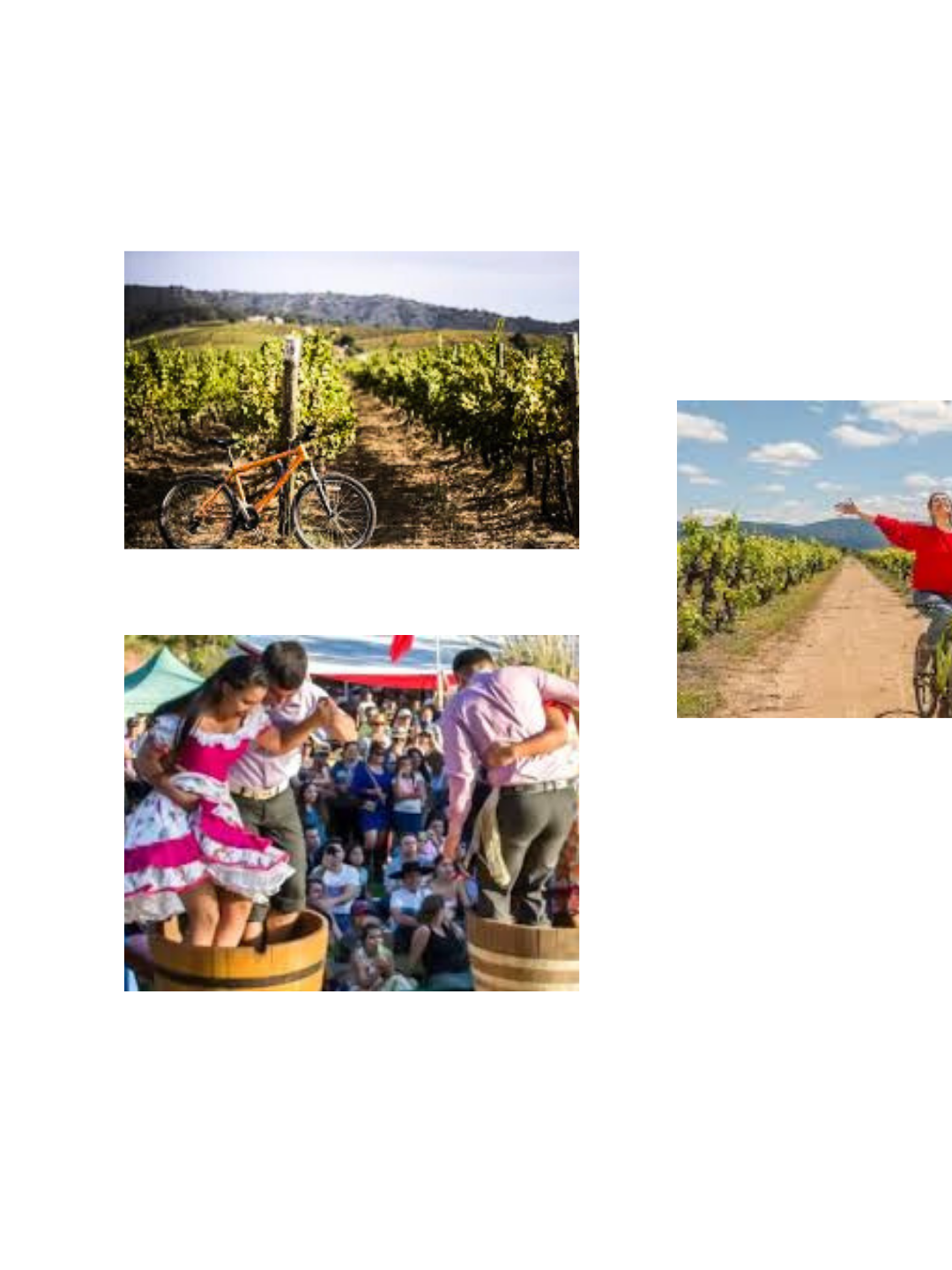
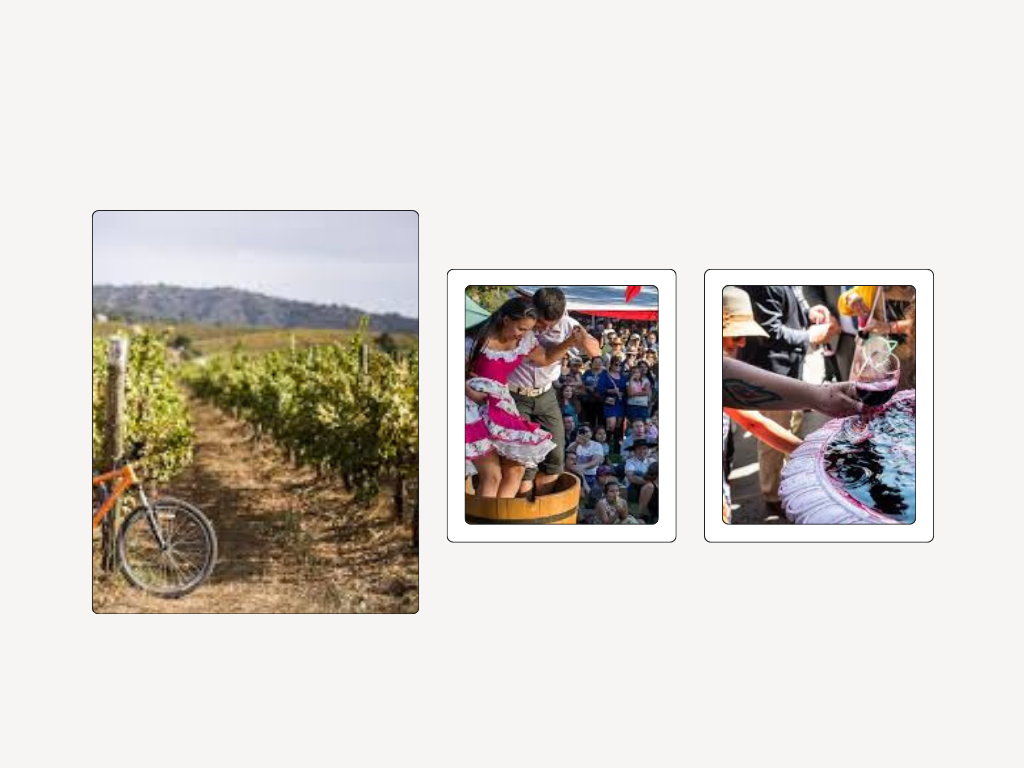
    From February through April, vineyards and town plazas become stages for grape-stomping rituals, folkloric performances, artisan markets, and curated tastings. These harvest events are not simply seasonal festivals; they function as expressions of territorial branding, reinforcing Chile’s positioning as a mature and diversified wine tourism destination.

    Maipo Valley: Harvest at the Cradle of Chilean Cabernet

    Just 45 minutes from Santiago, Maipo Valley anchors Chile’s historic wine narrative. Framed by the Andes foothills, the region is internationally associated with Cabernet Sauvignon and long-established estates.

    Wineries such as Concha y Toro, Santa Rita, Undurraga, and Cousiño Macul offer structured tours beginning around CLP $20,500 (USD $25), integrating vineyard walks, cellar visits, and guided tastings. At Concha y Toro, visitors may encounter Don Melchor 2021, ranked number one by Wine Spectator in its Top 100 list—an accolade reinforcing the valley’s global prestige.

    Maipo’s 2026 harvest calendar includes multiple festivals throughout March and April, culminating in the Maipo Valley Grape Harvest Festival (April 17–19). The programming blends traditional grape stomping with contemporary culinary showcases, illustrating how legacy estates adapt heritage rituals for modern audiences.

    Casablanca Valley: Cool-Climate Harvest by the Pacific

    Located 82 kilometers west of Santiago, Casablanca Valley benefits from maritime influence, positioning it as Chile’s benchmark for Sauvignon Blanc, Chardonnay, and Pinot Noir.

    Producers including Casas del Bosque, Veramonte, Emiliana, and Indómita integrate sustainability and gastronomy into their visitor experiences, with tastings beginning around CLP $15,000 (USD $17).

    The Casablanca Harvest Festival (April 11–12, 2026) emphasizes freshness, seafood pairings, and cool-climate identity—demonstrating how terroir informs event design.

    Colchagua Valley: A Mature Harvest Destination

    Approximately 2.5 hours south of Santiago, Colchagua Valley represents one of Chile’s most internationally recognized wine territories. Known for Carmenere, Cabernet Sauvignon, Syrah, and Malbec, it offers a well-developed wine tourism infrastructure.

    Estates such as Montes, Viu Manent, Lapostolle, Casa Silva, and Viña Santa Cruz complement tastings (from CLP $11,000 / USD $12) with horseback excursions and heritage programming in Santa Cruz.

    Its harvest season extends into early May, with Santa Cruz serving as the principal cultural hub.

    Maule Valley: Rural Continuity and Varietal Diversity

    Three hours from Santiago, Maule is Chile’s largest wine region and a stronghold of traditional varieties such as País and Carignan alongside international grapes.

    Producers including Gillmore, Casa Bouchon, and Terranoble anchor visitor programming starting at CLP $12,000 (USD $13). The “Sabores del Maule” tourist train offers a mobility-based wine experience connecting Santiago with the valley’s vineyards—an innovative approach to regional integration.

    Itata Valley: Heritage Renaissance

    In the Ñuble Region, Itata Valley’s vines date back to the 16th century. Today, small-scale producers such as Männle, Santa Berta, Prado Vineyard & Winery, and Lomas de Llahuén are revitalizing País, Muscat of Alexandria, and Cinsault.

    The Portezuelo Harvest Festival (April 11, 2026) reflects a community-driven model where wine tourism supports heritage preservation.

    Harvest season near Santiago illustrates how Chile has successfully integrated viticulture with destination development. Within a few hours of the capital, visitors encounter diverse terroirs, distinct varietal identities, and layered cultural programming. The vendimia is not simply a celebration of grapes; it is a strategic tourism asset reinforcing regional identity, economic vitality, and global visibility.

    For travelers seeking accessibility combined with authenticity, Chile’s harvest valleys present a compelling and cohesive wine tourism landscape.
  • Chile’s 2026 Harvest Festivals: Consolidating Territorial Identity, Experiential Tourism, and Visitor Loyalty in Latin America’s Leading Wine Destination

    Chile’s 2026 Harvest Festivals: Consolidating Territorial Identity, Experiential Tourism, and Visitor Loyalty in Latin America’s Leading Wine Destination

    Between February and May 2026, Chile will host over forty grape harvest festivals (Fiestas de la Vendimia), transforming the annual vintage into one of the most comprehensive and strategically coordinated wine tourism programmes in the Southern Hemisphere. Extending from Arica y Parinacota in the north to La Araucanía in the south, these celebrations position viticulture not merely as an agricultural activity, but as a central instrument of regional development, cultural preservation, and experiential destination branding.

    The 2026 season commenced February 13-15 in Palmilla and will conclude May 29 with the University Harvest of the University of Talca, reflecting both geographic and institutional diversity. This extended calendar enables Chile to leverage the harvest period as a sustained tourism corridor rather than a short, seasonal peak, reinforcing year-round visitation patterns and regional mobility.

    Harvest Festivals as Engines of Place-Based Tourism

    In recent years, Chile’s harvest festivals have evolved from localized celebrations into fully integrated tourism products. They now function as platforms through which visitors engage simultaneously with wine, gastronomy, heritage, and community life. These events increasingly reflect international best practices in experiential tourism, emphasizing authenticity, accessibility, and visitor immersion.

    Rather than focusing exclusively on tastings, the festivals incorporate rural traditions, artisanal production, historical narratives, and landscape interpretation. This multidimensional approach aligns with contemporary models of wine tourism, which prioritize emotional connection, learning, and cultural participation over transactional consumption.

    Visitor Profile and Market Loyalty

    According to the Visitors Profile 2025, jointly developed by Chile’s Undersecretariat of Tourism, Enoturismo Chile, and the University of Talca, harvest festival audiences demonstrate strong regional embeddedness and repeat visitation patterns. The study reports that:

    • 61% of attendees are female;
    • 77.9% originate from the host region;
    • 26.3% are first-time visitors;
    • 62.2% attend multiple festivals per season.

    These figures indicate a mature domestic market characterized by high levels of loyalty and social integration. Rather than relying primarily on international flows, Chile has successfully cultivated a resilient local and regional visitor base, strengthening economic sustainability and community participation.

    Visitor satisfaction levels further reinforce this positioning. In 2025, 79.2% of participants rated their experience at six or seven on a seven-point scale, highlighting safety, service quality, and efficient access to tasting infrastructure as key determinants of perceived value.

    Diversity, Innovation, and Regional Differentiation

    Chile’s 2026 harvest calendar illustrates remarkable territorial diversity. Established events, such as the Curicó Harvest Festival (Chile’s oldest) and the Colchagua Harvest Festival, one of its most internationally recognized, coexist with innovative formats that reinterpret wine culture in contemporary contexts.

    Notable examples include:

    • Desert harvest celebrations in the Pampa del Tamarugal;
    • Urban festivals in Santiago’s Barrio Italia;
    • The centenary Pirque Wine Festival, featuring over thirty wineries;
    • Heritage-based rural experiences combining traditional milling and gastronomy;
    • The “Memory Train” initiative in the Aconcagua Valley.

    This diversity enables Chile to present itself not as a monolithic wine destination, but as a network of distinctive micro-territories, each with its own narrative, identity, and tourism proposition.

    Digital Infrastructure and Visitor Accessibility

    A critical component of Chile’s harvest strategy is the integration of digital planning tools. Through the Enoturismo Chile Harvest Map, developed with support from CORFO, visitors can access real-time information on dates, locations, transport links, and programming.

    As Alicia Ortiz, Manager of Enoturismo Chile, notes, the platform responds directly to the need for transparent and accessible information, enabling visitors to plan itineraries efficiently and reducing barriers to participation. This digital infrastructure reflects broader trends in destination management, where data-driven platforms increasingly mediate visitor engagement and spatial mobility.

    Strategic Implications for Global Wine Tourism

    Chile’s harvest festival model illustrates how coordinated event ecosystems can function as long-term destination assets. By integrating community participation, academic institutions, digital platforms, and quality certification, Chile has developed a replicable framework for sustainable wine tourism development.

    The 2026 season reinforces the country’s leadership in Latin American enotourism and positions harvest festivals as instruments of cultural diplomacy, rural regeneration, and experiential branding. For international observers, Chile offers a compelling case study in how viticultural heritage can be mobilized within contemporary tourism economies.

    Sources and References

    • Undersecretariat of Tourism (Chile), Enoturismo Chile & University of Talca (2025). Visitors Profile 2025: Wine Tourism and Harvest Festivals.
    • Enoturismo Chile. Mapa de Vendimias 2026. https://www.enoturismochile.cl/mapa-de-vendimias/
    • CORFO Chile. Wine Tourism Development Programmes.
    • De Chile al Paladar Team (2026). “Chile starts the grape harvest season with more than 40 festivals.”
    • UN Tourism (2025). Global Report on Wine Tourism.

  • VIK, Chile, Named the World’s Best Vineyard 2025

    VIK, Chile, Named the World’s Best Vineyard 2025

    The list of The World’s 50 Best Vineyards 2025 has been revealed at an awards ceremony in Margaret River, Western Australia, yesterday, with Vik (No.1), Millahue, Chile, named as The World’s Best Vineyard 2025. The list features vineyards from 15 destinations across six continents, with 11 new entries.

    Vik succeeds the 2024 winner, Bodegas de los Herederos del Marqués de Riscal in Rioja, Spain, now part of the Hall of Fame. Vik is a pioneering winery and luxury hotel spanning a 4,450-hectare nature reserve, with 327 hectares of vineyards planted across 12 distinct microclimates. The winery combines sustainable viticulture with striking architecture.

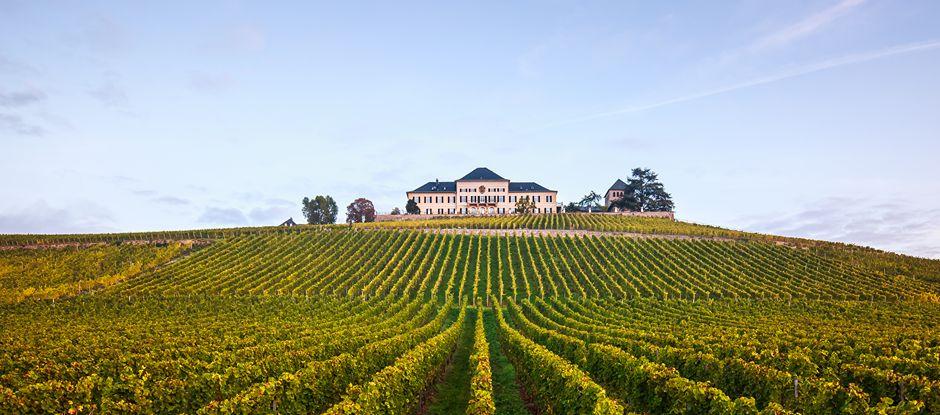
    Schloss Johannisberg (No.2), Rheingau, Germany, is named the Best Vineyard in Europe, renowned as the world’s first Riesling winery, with over 1,200 years of winemaking heritage. Bodegas Ysios in Rioja, Spain, is ranked at No.3.

    Klein Constantia Wine Estate (No.6), Western Cape, South Africa, is named the Best Vineyard in Africa and recipient of the Highest Climber Award, sponsored by Jack’s Creek, climbing 35 places since 2024.

    Aperture Cellars (No.14) in Sonoma, USA, earns the Highest New Entry Award.

    Highest Climber Award, sponsored by Jack’s Creek, goes to Klein Constantia Wine Estate (No.6), Western Cape, South Africa, also awarded The Best Vineyard in Africa.

    The Best Vineyard in North America goes to Jordan Vineyard & Winery, Alexander Valley, USA (No.13), renowned for immersive experiences among rolling hills, olive groves and sustainable vineyards. 98Wines, Yamanashi, Japan, wins The Best Vineyard in Asia (No.20), offering a multisensory vineyard experience with views of Mt. Fuji.

    The Best Vineyard in Australasia is awarded to Cloudy Bay Vineyards, Marlborough, New Zealand (No.26), a new entry in the list, while Aperture Cellars, Sonoma, USA, earns the Highest New Entry Award (No.14).

    For the full list, see here: https://www.theworlds50best.com/stories/News/the-worlds-50-best-vineyards-2025-the-list.html

  • Viña Vik: An Award-Winning Chilean Winery Redefining Winemaking and Sustainability

    Viña Vik: An Award-Winning Chilean Winery Redefining Winemaking and Sustainability

    Viña Vik has firmly established itself as a leader in the global winemaking community, achieving an unprecedented milestone as the second-ranked winery in the World’s Best Vineyards listing for 2024—a first in Chilean wine history. The winery is celebrated for its unparalleled commitment to winemaking excellence, sustainability, and the seamless integration of its unique experience into the natural environment.

    Geographical Significance

    Situated in Chile’s Millahue Valley, a locale revered by the indigenous Mapuche people as “Lugar de Oro” or “Golden Place,” Viña Vik capitalizes on the region’s rich heritage and diverse terroirs. Its vineyards are carefully positioned within the valley’s interior, benefiting from a mosaic of microclimates and coastal breezes. This geographical diversity allows Viña Vik to cultivate an impressive array of varietals, including Cabernet Sauvignon, Carmenere, Cabernet Franc, Merlot, and Syrah.

    Sustainability and Harmony

    Viña Vik prioritizes sustainability, with winery facilities meticulously designed to harmonize with the surrounding Millahue Valley landscape. From its energy-efficient architecture to its environmentally-conscious wine production practices, the winery exemplifies a holistic approach to sustainability. Visitors are invited to experience the intersection of art, design, and world-class viticulture within the tranquil setting of the Millahue Valley.

    Commitment to Winemaking Excellence

    The winery is renowned for its dedication to quality throughout the vinification process. Under the expert guidance of Chief Winemaker Cristian Vallejo, grapes are carefully hand-harvested and subjected to natural fermentation without the addition of artificial yeasts. Viña Vik’s wines are aged in a combination of new and used French oak barrels, ensuring both character and complexity in every bottle.

    Architectural Innovation

    Designed by acclaimed Chilean architect Smiljan Radic in collaboration with Alex and Carrie Vik, the winery and its associated facilities—such as the iconic Vik Hotel—embody a visionary architectural philosophy. The design incorporates cutting-edge sustainability principles, making minimal impact on the landscape while offering a visually stunning, technologically innovative experience. Completed in 2014, the facilities seamlessly blend art, nature, and exceptional hospitality.

    Awards and Recognition

    Viña Vik continues to garner international acclaim. The celebrated VIK 2021 vintage earned a remarkable 98-point score and was recognized in three major categories by the Descorchados guide, including “Top Red Wines of the Year” and “Best Red Blend.” Similarly, the STONEVIK 2023 wine achieved a stellar 97-point rating and received the coveted Revelation Award. Other notable wines include La Piu Belle 2021 and Milla Cala 2021, both praised for their exceptional quality and craftsmanship.

    The winery produces four acclaimed red wines alongside a rosé—La Piu Belle, Milla Cala, VIK, and “A”—all of which have consistently received accolades, including scores well into the 90s from James Suckling, prestigious Master medals from The Drinks Business, and Platinum and Gold awards from Decanter.

    Wine Reviews

    VIK 2021

    VIK 2021 vintage represents a masterful interpretation of Millahue Valley’s terroir, exemplifying the heights of Chilean winemaking. Aged for 20 months in French oak barrels, and an additional six months in Barroir – this Bordeaux-style blend of 77% Cabernet Franc and 23% Cabernet Sauvignon is the epitome of finesse and complexity.

    On the nose, this wine delivers a captivating bouquet of ripe red fruit like cherries and raspberries, interwoven with subtle notes of graphite, cedar, with a hint of spice. The palate is a harmonious dance of vibrant acidity, firm structure, and velvet tannins. The Cabernet Franc’s mineral elegance shines through, lending a distinctive freshness and tension to the wine’s profile, at the same time the Cabernet Sauvignon contributes depth and opulent fruit.

    Despite its youthful intensity, VIK 2021 promises tremendous aging potential in which the flavours will evolve and deepen. This wine bursts with power and energy, leaving a lingering finish marked by refined red fruit with hints of forest floor.

    This vintage is definitely a triumph—a wine for connoisseurs who value both power and elegance in their glass. An unforgettable Chilean masterpiece that continues to redefine expectations of New World wines!

    98 Points
    Liz Palmer

    VIK ‘Milla Cala’ 2021

    Milla Cala’ 2021 is an expertly crafted blend, comprising a meticulous combination of 68% Cabernet Sauvignon, 16% Carmenere, 7% Cabernet Franc, 5% Merlot,  with a splash of syrah. Its aging in French oak for 18 months imparts a delicate kiss of wood spice and a rounded texture.

    On the nose, this wine is an intricate aromatic tapestry. Notes of spices, blackberries, with a hint of bell pepper.  The palate is structured yet supple, delivering a seamless integration of flavours of dark berries and ripe plum, accented by hints of tobacco, cedar, with a slight floral undertone. As it opens, whispers of baking spices and a touch of graphite add complexity. This wine is both captivating now and promising for future cellaring.

    92 Points
    Liz Palmer

    VIK ‘La Piu Belle’ 2021

    Vik’s flagship Carménère blend, La Piu Belle, has become one of the most recognizable and celebrated labels in Chilean winemaking. The 2021 vintage is a standout in their renowned “Artist Label Series” featuring a striking design by Chilean artist Gonzalo Cienfuegos.

    La Piu Belle is composed of 76% Carménère, 19% Cabernet Sauvignon, and 5% Cabernet Franc, and was aged for 20 months in French oak barrels, with 15% of the oak uniquely toasted using branches from the estate’s own trees—a testament to the winery’s innovative spirit.

    The nose is restrained, offering subtle herbal and savory aromas, the palate explodes with vibrant, ripe red and black fruits with earth, and spice weaving harmoniously into the wine’s texture, balanced beautifully by a refreshing acidity. The tannins are polished and silky, lending a seamless and approachable structure.

    This 2021 vintage promises to develop further depth and complexity with time.

    95 Points
    Liz Palmer

    Website:  https://www.vikwine.com/

  • Chile Implements Regulatory Health Standards for Beverage Packaging

    Chile Implements Regulatory Health Standards for Beverage Packaging

    Chile’s Ministry of Health has recently enacted new regulations mandating that beverage manufacturers include warning labels about the risks of alcohol on products intended for the domestic market. This legislation became effective on July 7th of this year.

    The new regulations specify that any beverage with an ABV above 0.5% that is intended for sale in Chile must feature a label that carries the following warnings concerning the consumption of alcohol:

    • Do not drink when driving
    • Risk to your baby
    • Do not drink if under the age of 18

    These warnings, complete with accompanying icons, must be featured either on the back or front label of a product. The minimum size for the warnings is 6.2cm by 3.5cm. For bottles that come in decorative boxes, the warnings cannot be featured on parts of the packaging that will be thrown away.

    In addition to these regulations, alcoholic beverage packaging must now prominently display the caloric content, expressed in energy (kcal) per 100ml of liquid. This information must be clearly visible under the header “valor energético” or “energy value.”

    Source: Wines of Chile, and Drinks Business