
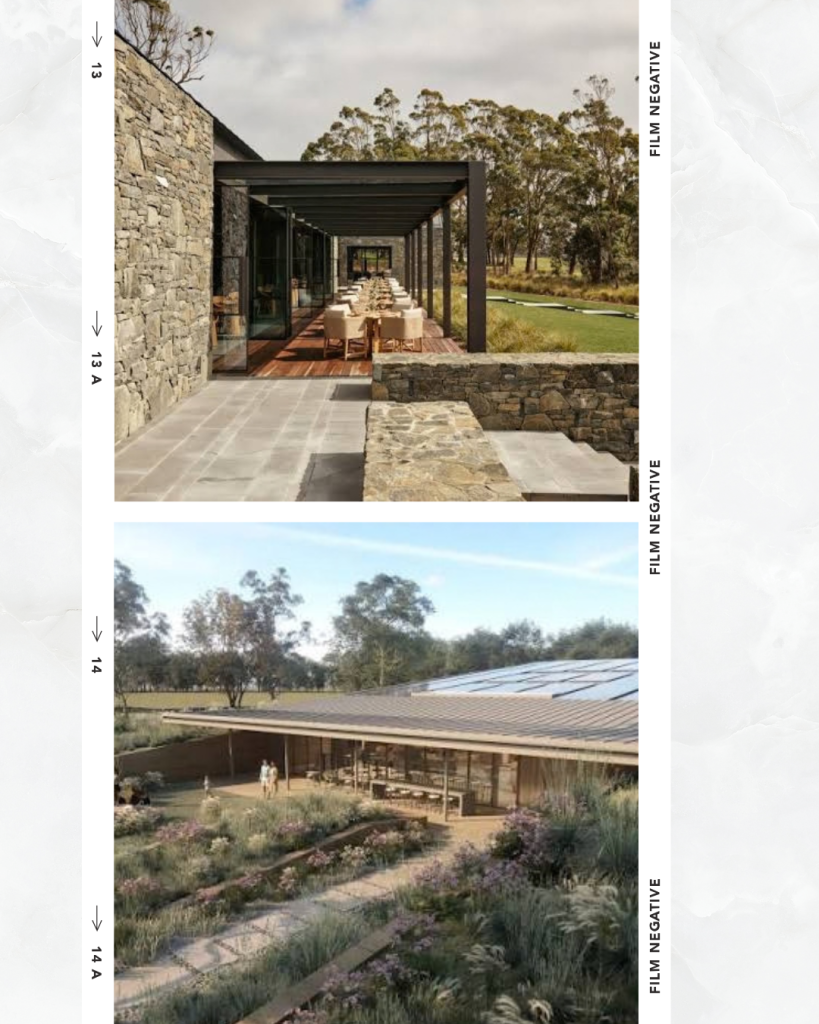
Two new wine tourism destinations in Western Australia and Tasmania are showcasing a more ambitious approach to winery hospitality, bringing together wine, gastronomy, architecture, sustainability and sense of place.
Australian wine group Overstory has expanded its visitor offering at Wayfinder Winery & Farm in Margaret River and Small Wonder in Tasmania’s Tamar Valley. Wayfinder’s new dining room opened September 16, followed by Small Wonder’s Cellar Door & Restaurant on September 18.
Despite being thousands of kilometres apart, both demonstrate how the modern cellar door is evolving beyond wine tasting into a complete destination experience.
From Wine Tasting to Destination Experience
At Wayfinder Winery & Farm in Cowaramup, a certified-organic vineyard and working farm are integrated with a market garden, winery, cellar door and restaurant.
Designed by Kerry Hill Architects, the off-grid winery uses solar power and gravity-fed winemaking. The 37-hectare property also incorporates an orchard, beehives, sheep and native revegetation.
Executive Chef Brendan Pratt has created a seasonal farm-to-table menu featuring produce from Wayfinder’s one-acre market garden. Visitors can combine guided wine tastings with lunch in the dining room or a more relaxed experience on the lawn.
The emphasis is clear: place rather than simply product.
Tasmania Expands Its Wine Tourism Offering
In Tasmania’s Tamar Valley, Small Wonder has adopted a similarly integrated approach.
Its new destination combines a cellar door, garden, restaurant and wine library with winery tours, tastings and educational experiences.
The restaurant showcases Tasmanian producers, while regular masterclasses offer visitors a deeper understanding of the region’s wines and winemaking.
Sustainability is embedded throughout the property, with 128 solar panels, electric forklifts, on-site water treatment, lighter-weight bottles and measures to reduce single-use plastics.
The Cellar Door Is Changing
These openings reflect a broader shift in global wine tourism.
The traditional cellar door was largely transactional: visitors tasted wines, purchased bottles and moved on. Today, leading wineries are creating experiences designed to encourage visitors to stay longer and connect more deeply with the destination.
Architecture creates a sense of arrival. Restaurants connect wine with local agriculture and gastronomy. Vineyards and gardens communicate sustainability, while tours and masterclasses add education and engagement.
The winery is becoming not simply somewhere to taste wine, but somewhere worth travelling to.
For Margaret River, Wayfinder adds another sophisticated hospitality experience to an established international wine destination.
For Tasmania, Small Wonder strengthens the island’s growing reputation for premium cool-climate wine while giving travellers another reason to experience its wine regions firsthand.
Sources:
Drinks Trade; Wayfinder Wines; Margaret River Region; Overstory