
A firsthand look at how family tradition, medieval history, and elevated terroir are shaping one of Spain’s most compelling wine tourism destinations.
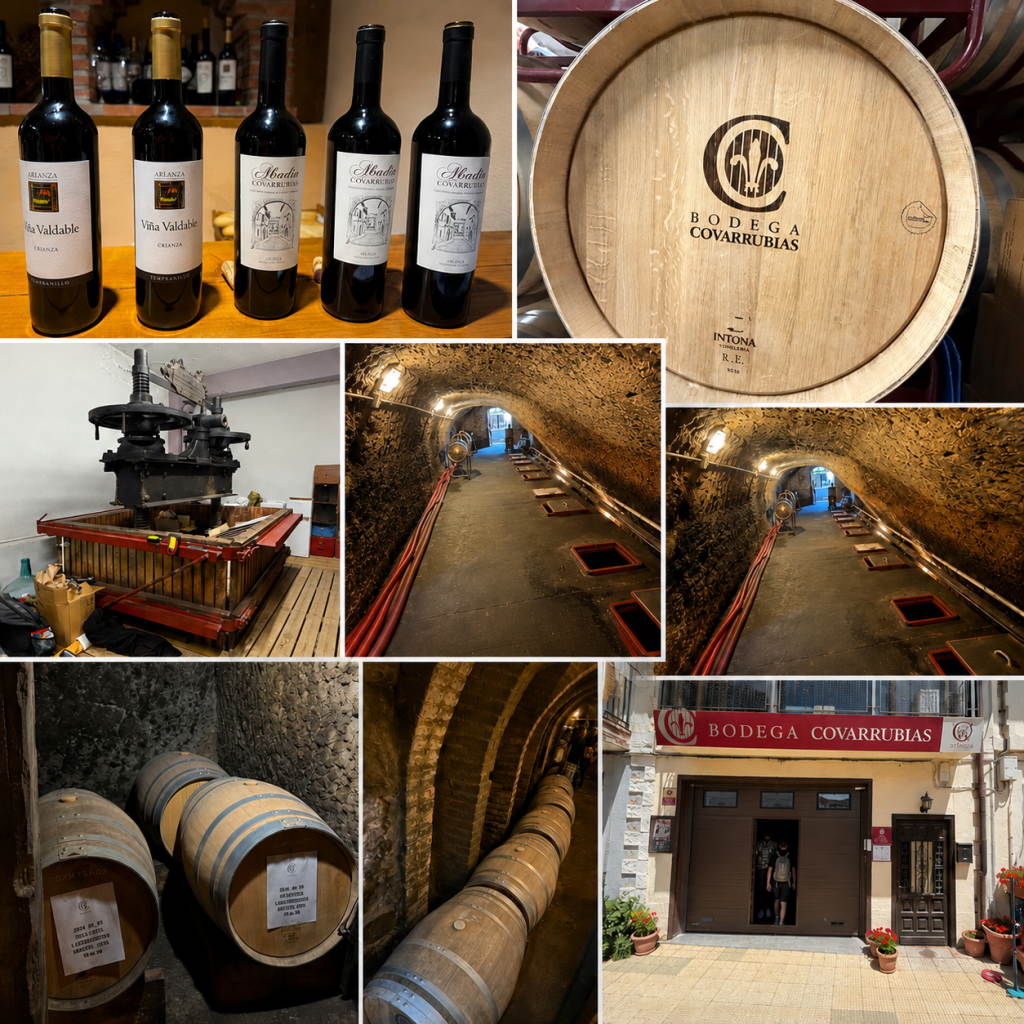
One of the highlights of my journey through Spain’s Arlanza Wine Route was a guided visit and tasting at Bodegas Covarrubias a family-owned boutique winery located in the beautifully preserved medieval village of Covarrubias in Burgos, Castilla y León.
Now managed by the third generation, the winery exemplifies the values that increasingly define premium wine tourism: authenticity, heritage, and a deep respect for place. While many visitors to Spain gravitate toward internationally recognized regions such as Rioja or Ribera del Duero, Arlanza offers a quieter, more intimate experience where centuries-old traditions remain firmly embedded in daily life.
Bodegas Covarrubias’ vineyard landscape includes 45 hectares planted at elevations exceeding 1,000 metres above sea level, and it is interesting to note that the estate cultivates some of the highest vineyards within the D.O. Arlanza appellation. The region’s continental climate and pronounced day-to-night temperature shifts allow its grapes—predominantly Tempranillo—to develop remarkable freshness, aromatic complexity, and structural balance.
I had the opportunity to taste the winery’s two flagship wines, Viña Valdable Roble and Abadía Covarrubias de Autor. Both demonstrated the elegance that high-altitude viticulture can achieve, offering vibrant fruit expression, well-integrated structure, and characteristic notes of ripe cherry with subtle spice.
The most memorable aspect of my visit was learning about the winery’s commitment to authentic Castilian winemaking traditions. These practices are rooted in generations of experience and reflect a close relationship between the land, local grape varieties, and the families who cultivate them. Dry farming, hand harvesting, and meticulous vineyard stewardship continue to play an important role in preserving the identity of these wines.
The cellar tour provided an equally compelling perspective. Beneath the winery lies a remarkable 12th-century cave carved into the mountainside, where naturally cool conditions create an ideal environment for ageing wines in French oak barrels.
A visit to Bodegas Covarrubias demonstrates that exceptional wine experiences extend well beyond the tasting room. They encompass history, architecture, gastronomy, local culture, and the stories of families who have stewarded these landscapes for generations.
My visit was intimate, educational, and deeply authentic, a reminder that some of the most rewarding wine tourism experiences are often found in regions that remain largely undiscovered by international travellers.