
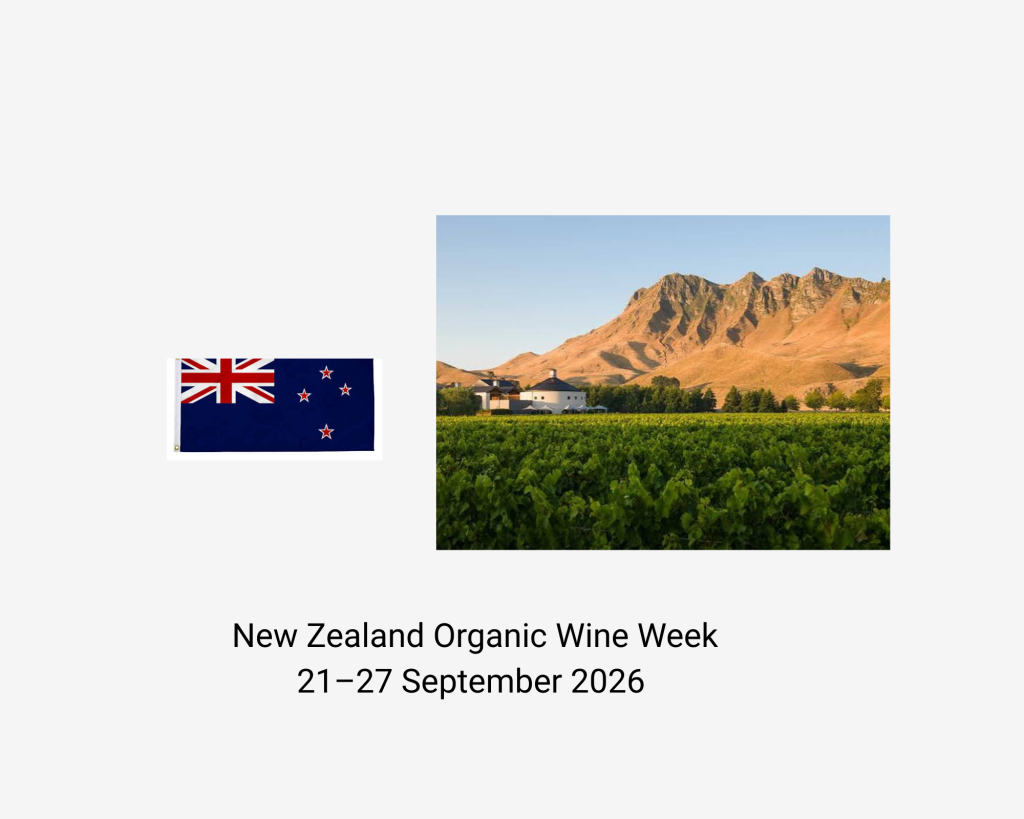
Beyond the Cellar Door: New Zealand Organic Wine Week and the Future of Sustainable Wine Tourism
As Organic Wine Week returns from 21–27 September 2026, New Zealand is demonstrating how organic viticulture can move beyond environmental practice to become an important element of wine tourism, regional identity and destination storytelling.
Wine tourism is evolving. Increasingly, wine travellers want to understand not only what is in the glass, but the landscape, farming practices, people and environmental decisions behind it.
This makes Organic Wine Week 2026, taking place across Aotearoa New Zealand from 21–27 September, particularly relevant.
Established by Organic Winegrowers New Zealand (OWNZ) in 2018, the initiative celebrates its ninth year in 2026. Tastings, winemaker dinners, wine-list takeovers, retail promotions and educational events will connect consumers and industry professionals with New Zealand’s organic and biodynamic wine community.
Yet its significance extends beyond organic wine. It illustrates how sustainable viticulture can become part of the visitor experience and, ultimately, part of a wine destination’s identity.
From Organic Viticulture to Wine Tourism
New Zealand Winegrowers reports that approximately 10% of New Zealand wineries hold organic certification.
Organic production is based on ecological processes, biodiversity and natural cycles rather than synthetic chemical fertilisers, pesticides and herbicides. Soil health and ecosystem resilience therefore become central to vineyard management.
For wine tourism, these practices provide valuable opportunities to interpret terroir.
A certification mark establishes credibility, but it does not create an experience. The opportunity lies in allowing visitors to see and understand what organic viticulture means in the vineyard.
How is soil health maintained? Why are cover crops planted between vine rows? How is biodiversity encouraged? How do growers manage disease and pests? And how might these decisions ultimately influence the wine?
These questions can transform a conventional tasting into a more meaningful exploration of place.
The narrative becomes:
landscape → viticulture → people → wine → gastronomy → place.
For destinations competing in an increasingly sophisticated international wine-tourism market, that connection to place is becoming an important point of differentiation.
Sustainability Must Be Experienced
OWNZ Chair Nick Paulin identifies growing consumer interest in wines associated with environmental responsibility, transparency and integrity.
This has important implications for tourism.
Sustainability becomes more powerful when it is demonstrated rather than simply stated.
A vineyard walk can explain biodiversity and soil management. A conversation with a grower can reveal why particular farming practices were adopted. A comparative tasting can connect vineyard decisions with what visitors experience in the glass. Local gastronomy can place wine within the wider agricultural and cultural landscape.
The strategic shift is from telling visitors a winery is sustainable to showing them how sustainability operates.
Why September Matters
Organic Wine Week coincides with the Southern Hemisphere’s spring equinox on 23 September, when vineyards are entering a new period of growth.
This highlights an underdeveloped opportunity in wine tourism: seasonality.
Wine tourism is often associated with harvest, but every stage of the viticultural calendar offers a different story. Spring brings budburst and new growth; summer brings flowering and fruit development; autumn centres on harvest and fermentation; and winter reveals pruning and preparation for the next vintage.
Organic and biodynamic estates are particularly well positioned to interpret these seasonal cycles because their farming philosophies are closely connected to the vineyard ecosystem.
For international visitors, it is important to note that September is not harvest season in New Zealand. Travellers specifically seeking vintage activity should generally look to the Southern Hemisphere’s late summer and autumn, with exact timing varying by region, variety and vintage.
Organic Wine Week instead offers something different: an opportunity to experience vineyards as they emerge from winter and begin a new growing cycle.
Down to Earth: Connecting Visitors and Producers
One of the principal events of Organic Wine Week is Down to Earth, a walk-around tasting bringing together organic wines and the people who produce them.
Down to Earth Auckland takes place on 22 September 2026 at Jacuzzi Bar Ponsonby.
The format reinforces one of wine tourism’s most enduring strengths: direct access to the people behind the wine.
Architecture, technology and sophisticated hospitality can enhance a winery visit, but an informed conversation with a grower or winemaker remains one of the most authentic ways to understand a vineyard and its wines.
The complete 2026 calendar will continue to develop as September approaches.
Organic Wine Week 2026 — Events & Registration:
https://www.organicwinenz.com/organicwineweek
What Should Wine Travellers Look For?
Meaningful organic wine tourism should extend beyond the tasting room.
The strongest experiences provide access to vineyards; interpretation of soils, biodiversity and farming practices; interaction with growers or winemakers; connections between viticulture and the wines being tasted; seasonal experiences; and integration with local gastronomy and culture.
This distinction is important:
Organic certification does not automatically create organic wine tourism.
The tourism experience emerges when environmental practices are effectively interpreted for the visitor.
For travellers planning a New Zealand wine journey, Organic Winegrowers New Zealand maintains directories of certified producers:
Certified Organic Wineries:
https://www.organicwinenz.com/fully-certified
Organic Vineyards:
https://www.organicwinenz.com/organicvineyards