
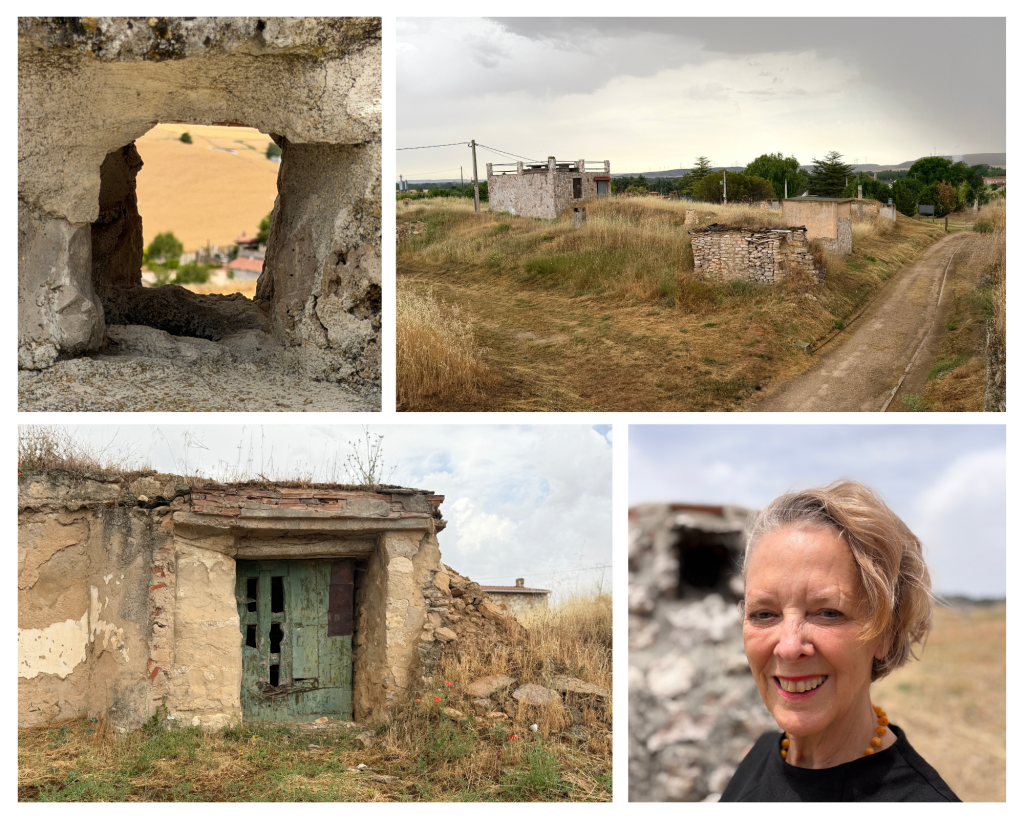
Leaving the cool silence of Torquemada’s underground wine cellars, I reflected on the broader significance of this remarkable site within the evolving landscape of global wine tourism. What distinguishes this destination is not merely its remarkable engineering or the vast network of historic wine cellars hidden beneath the town. Rather, it is the way the Bodegas of Torquemada seamlessly unite cultural heritage, community, and centuries of winemaking tradition to create an authentic wine tourism experience that is both immersive and enduring.
More than a collection of historic underground cellars, the Bodegas of Torquemada represent a living cultural landscape where history, architecture, and local identity remain deeply interconnected. They demonstrate how preserving heritage can enrich the visitor experience while strengthening a destination’s sense of place, an increasingly important consideration as wine tourism continues to evolve toward more meaningful, experience-driven travel.
Many wine regions are investing heavily in architecturally striking visitor centres, luxury accommodations, and increasingly immersive tasting experiences. While these developments undoubtedly have their place, Torquemada offers a very different and, I believe, increasingly valuable model for the future of wine tourism. Here, authenticity has not been created for visitors; it has been carefully preserved by generations of local families.
As someone who has visited wine regions across Europe, North America, South America, and South Africa, I have learned that the destinations leaving the strongest impression are rarely those with the largest budgets or the most elaborate architecture. Instead, they are places where visitors feel an authentic connection to the people, the landscape, and the stories that have shaped the region for generations.
Torquemada is one of those places.
Its underground bodegas are more than remarkable examples of vernacular engineering, they are living expressions of rural life, community identity, and centuries of winemaking tradition. Walking through the tunnels, it became clear that these spaces were never designed as tourist attractions. They were built out of necessity by generations of local families who understood how to work with the landscape to create ideal conditions for producing and preserving wine. That authenticity is impossible to replicate.
This experience also prompted me to consider Torquemada within a broader international context.
Moldova’s vast underground wine cities of Cricova and Mileștii Mici demonstrate the extraordinary scale that subterranean wine architecture can achieve. Likewise, the historic chalk cellars beneath the towns and villages of Champagne, including Reims and Épernay, have become an integral part of one of the world’s most celebrated wine regions. Spain’s Rioja is equally renowned for its historic underground cellars, many of which continue to support both wine production and tourism.
Yet Torquemada offers something distinctly different.
Rather than showcasing individual wineries, the entire town tells a story. Beneath its streets lies an interconnected cultural landscape where architecture, history, agriculture, and community exist as one. Visitors are not simply entering a cellar – they are stepping into the historical fabric of a town whose identity has been shaped by wine for centuries.
From a wine tourism perspective, this distinction is significant.
Research has consistently shown that today’s wine travellers seek experiences that are authentic, educational, and culturally immersive. Hall, Sharples, Cambourne, and Macionis argue that successful wine tourism destinations extend well beyond wine tasting by integrating heritage, gastronomy, landscape, and local culture into the visitor experience. Torquemada exemplifies this philosophy. Wine serves as the entry point, but the destination itself becomes the lasting memory.
Equally important is the region’s commitment to preserving, rather than reinventing, its heritage. Instead of constructing new attractions, local organizations, heritage agencies, and tourism stakeholders are investing in interpreting, conserving, and protecting assets that have existed for centuries. This approach closely aligns with the principles promoted by UN Tourism, which recognizes cultural heritage and community participation as essential pillars of sustainable tourism and rural economic development.
Sustainable wine tourism is not measured solely by visitor numbers or economic growth. It is measured by a destination’s ability to protect its identity while creating meaningful experiences that benefit both visitors and local communities. Increasingly, the most successful wine regions are those that preserve what makes them unique rather than attempting to replicate someone else’s success.
In many ways, Torquemada represents this philosophy perfectly.
The Bodegas of Torquemada are far more than relics of the past; they continue to define the region’s identity while helping to shape its future as an emerging wine tourism destination. They demonstrate that cultural heritage is not something to be admired solely from a distance, but rather something to be experienced, interpreted, and shared. In doing so, they illustrate one of the most important lessons for contemporary wine tourism: authenticity has become one of the industry’s greatest competitive advantages.
Preserving historic cultural landscapes such as the Bodegas of Torquemada is not simply about safeguarding the past, it is about creating richer, more meaningful visitor experiences that strengthen a destination’s identity, foster deeper connections between travellers and place, and ensure that this extraordinary cultural legacy endures for future generations.
For destinations around the world seeking to strengthen their wine tourism offering, Torquemada provides an important lesson. Competitive advantage does not always require landmark architecture or significant new investment. Sometimes, the greatest opportunity lies in recognizing the value of what already exists, protecting authentic cultural assets, interpreting them thoughtfully, and allowing visitors to experience the stories that have shaped a place over centuries. In that respect, Torquemada offers a blueprint for the future of sustainable wine tourism.
In an era when travellers increasingly value authenticity over spectacle, destinations such as Torquemada remind us that the future of wine tourism may well depend upon preserving the places that have remained true to their past.
References:
Hall, C. M., Sharples, L., Cambourne, B., & Macionis, N. (Eds.). (2000). Wine Tourism Around the World: Development, Management and Markets. Butterworth-Heinemann.
UN Tourism. (2024). Global Report on Wine Tourism: Towards Sustainable Rural Development. Madrid: UN Tourism.
Sources:
Portal de Turismo de Castilla y León
ADRI Cerrato Palentino
D.O. Arlanza
National Geographic España
#WineTourism #WineTravel #SpainWine #CulturalHeritage #HeritageTourism #CastillayLeon #AuthenticTravel #LizPalmerWineTourism