
The decline in wine consumption is no longer a localized concern; it is a global structural shift. In Chile, this trend is particularly visible, as changing consumer behaviour intersects with evolving economic and cultural dynamics.
Younger generations are not simply drinking less; they are drinking differently. The traditional model, volume-driven consumption anchored in restaurants, has lost traction, replaced by a demand for experience-led, culturally immersive engagement.
Against this backdrop, Chile’s wine sector is actively experimenting with new pathways, notably through urban and rural wine tourism. However, one critical piece of the puzzle remains under strain: the Horeca channel.
The Horeca Challenge: Pricing, Access, and Visibility
Historically, restaurants have served as the primary interface between consumer and producer, spaces where wine is discovered, contextualized, and ultimately valued.
Today, that interface is weakening.
High commercial margins, restrictive distribution agreements, and elevated listing costs have significantly inflated bottle prices in top-tier establishments. The result is a familiar but damaging cycle:
- Wine becomes financially inaccessible
- Consumer engagement declines
- Turnover slows
- Restaurant wine programs lose relevance
What were once hubs of wine education are now, increasingly, barriers to entry.
The Quiet Collapse of Training Culture
Compounding this issue is a less visible but equally critical factor: the erosion of technical training within the Horeca sector.
Not long ago, it was standard practice for winemakers, sommeliers, and winery representatives to engage directly with restaurant teams, offering tastings, seminars, and regional insights. These interactions fostered not only knowledge but enthusiasm.
Today, such initiatives have largely disappeared in key urban centres, including Santiago, Valparaíso, and Viña del Mar.
As noted by Maximiliano Morales:
“Due to rising commercial costs and shifting marketing strategies, these activities have practically disappeared. The result is a concentration of familiar labels and a loss of diversity on wine lists.”
In practical terms, this translates to a diminished ability to guide, educate, and inspire the consumer.
Urban Wine Tourism: Reclaiming the Conversation
If the restaurant is no longer the primary gateway, the city itself is stepping in.
Urban wine tourism, through independent fairs, curated tastings, and neighbourhood activations, is rapidly emerging as a new point of entry into wine culture.
These events are not merely promotional; they are participatory. They allow consumers to:
- Engage directly with producers
- Explore premium and niche wines
- Experience wine within a social, cultural framework
Initiatives such as the Urban Wine Tour, launched by AndesWines, exemplify this shift. Rather than focusing on vineyard visits, the program integrates:
- Independent wine fairs
- City-based tastings
- Wine bar circuits across districts such as Ñuñoa, Providencia, and Las Condes
The result is a decentralized, democratized wine experience, arguably more aligned with contemporary consumer expectations.
Rural Wine Tourism: Heritage as Strategy
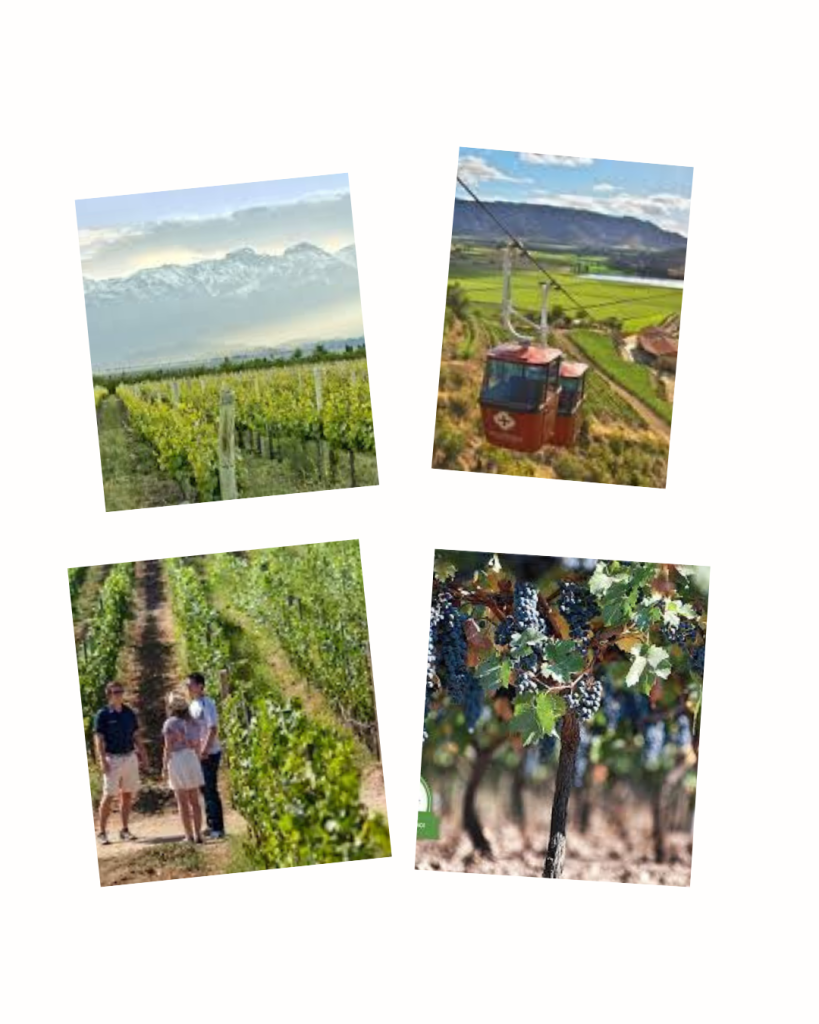
Parallel to urban innovation, Chile is also investing heavily in rural wine tourism, supported by national and regional development agencies.
This strategy extends across the country, from Arica and Parinacota to Patagonia, highlighting:
- Old-vine vineyards (50 to 150+ years)
- Heritage grape varieties
- Family-owned estates
One standout example is the Ancestral Cabernet Sauvignon Tour, a 1,000-kilometre journey spanning regions including:
- Maipo
- Aconcagua
- Cachapoal
- Maule
- Itata
The experience culminates in the Biobío Region, reinforcing a powerful narrative:
wine as landscape, history, and identity, not just product.
Strategic Outlook: Integration, Not Replacement
The future of Chilean wine consumption does not lie in replacing the Horeca channel, but in reintegrating it within a broader ecosystem.
To remain relevant, restaurants must:
- Reinvest in training and wine education
- Rebalance pricing structures
- Embrace collaboration with tourism initiatives
At the same time, wine tourism, both urban and rural, must continue to evolve as a gateway experience, converting curiosity into long-term engagement.
The lesson is clear:
The modern wine consumer is not looking for a bottle; they are looking for a moment, a place, and a story.
Chile’s opportunity lies in delivering all three.