
A New Chapter for Champagne’s Terroir, Fine Wine Recognition and Wine Tourism
The MICHELIN Guide will unveil its inaugural Champagne Wine Selection on 4 February 2027, marking another milestone in the Guide’s expansion into the world of fine wine and introducing a new dimension to one of France’s most internationally recognised wine tourism destinations.
Following Burgundy and Bordeaux, Champagne will become the next major French wine region to receive the MICHELIN Grape distinction, reflecting the region’s exceptional viticultural heritage, diversity of terroirs and evolving approach to winemaking.
From Prestigious Maisons to Expressions of Terroir
Historically, Champagne’s international reputation has been shaped by its prestigious maisons, celebrated cuvées and the art of blending wines from different vineyards, grape varieties and vintages.
Over the past two decades, however, the region has experienced a significant transformation. Increasing emphasis on vineyard identity, individual parcels and site-specific expressions has brought greater attention to Champagne’s diverse terroirs.
A new generation of grower-producers has contributed to this evolution, while established Champagne houses have continued to refine their viticultural practices and explore the distinctive characteristics of their vineyard holdings.
This convergence reflects a broader commitment to vineyard quality, precision winemaking and the expression of regional identity.
A New Rating Dimension for Champagne Wine Tourism
The introduction of the MICHELIN Grape distinction has particular significance for Champagne’s tourism sector, where the visitor experience is closely connected to its vineyards, historic cellars, prestigious houses and independent winegrowers.
Champagne’s established tourism infrastructure already offers extensive opportunities to explore the region’s viticultural heritage. The official Champagne tourism network promotes wine routes connecting Reims, Épernay and surrounding vineyard communities, providing visitors with access to historic estates, cellar experiences and distinctive wine landscapes.
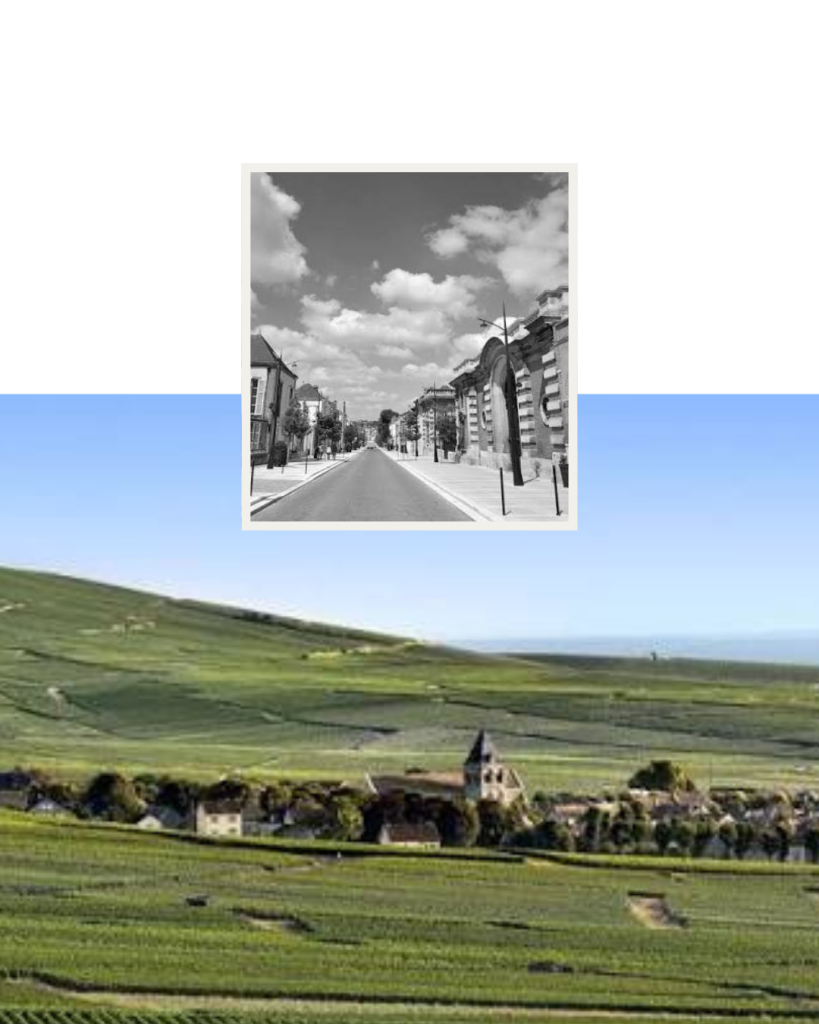
The region’s international cultural significance is further reinforced by the UNESCO-listed Champagne Hillsides, Houses and Cellars, encompassing the historic vineyards of Hautvillers, Aÿ and Mareuil-sur-Aÿ, Saint-Nicaise Hill in Reims, and the Avenue de Champagne and Fort Chabrol in Épernay.
Against this backdrop, the forthcoming MICHELIN selection could provide an additional reference point for international wine travellers, complementing established wine routes and heritage attractions while encouraging greater exploration of individual estates and terroir-driven Champagne experiences.
Strengthening Champagne’s International Positioning
Beyond its implications for wine evaluation, the new distinction could contribute to Champagne’s continued development as a destination where fine wine, gastronomy, cultural heritage and experiential tourism intersect.
As international wine travellers increasingly seek authentic encounters with producers, greater understanding of vineyard origins and meaningful connections with regional heritage, independent recognition of wine estates may influence how visitors research and experience Champagne.
The MICHELIN Grape distinction also reinforces a broader evolution in Champagne’s identity: from a region historically associated with prestigious brands and celebration to one increasingly recognised for its viticultural diversity, terroir expression and fine wine credentials.
The inaugural MICHELIN Champagne Wine Selection will be announced on 4 February 2027. MICHELIN has not yet disclosed the number of Champagne producers to be included or the location of the official unveiling.
Sources: MICHELIN Guide | Comité Champagne | UNESCO World Heritage Centre