
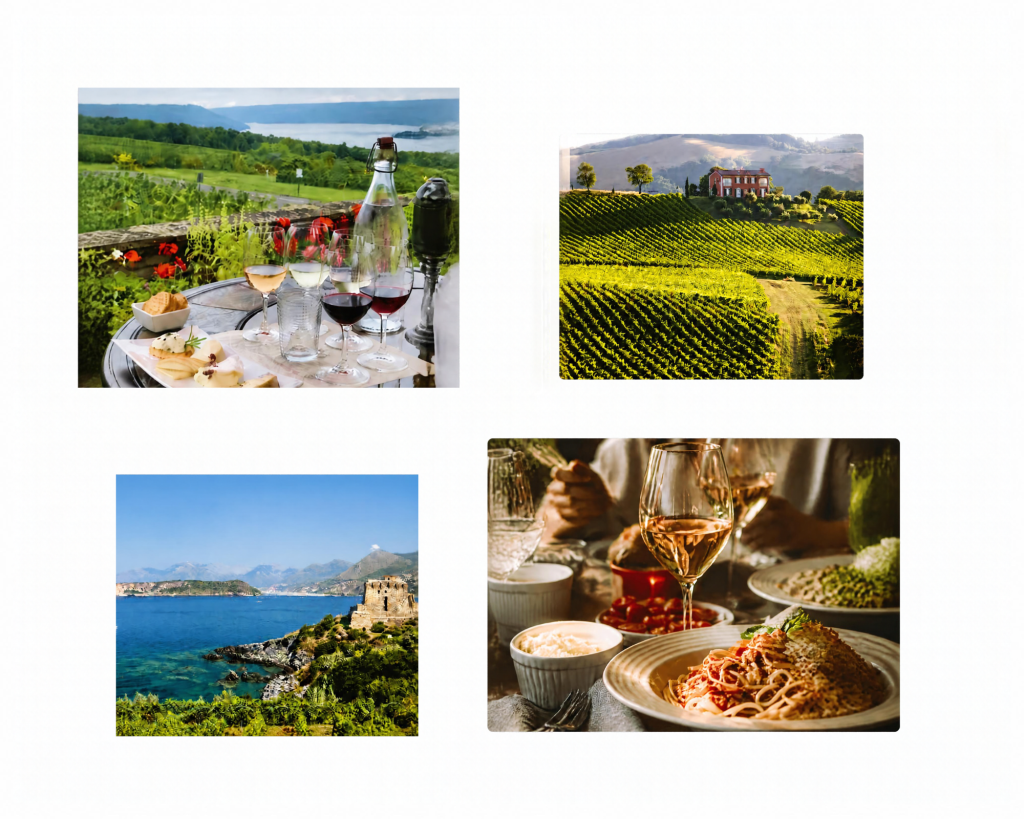
A new funding mechanism moves Italy’s wine tourism strategy from policy ambition towards collective regional action.
Italy’s new wine tourism support measure is less about subsidising individual cellar doors than strengthening entire wine-producing territories. Under ministerial decree no. 483420, dated 18 September 2026, eligible collective organisations can seek public contributions of up to 50% of qualifying project costs for the 2026/27 campaign. The initiative sits within the European Union’s Common Agricultural Policy framework for wine.
The measure follows Italy’s broader move to recognise wine tourism as a strategic instrument for regional development. Its significance now lies in implementation: which organisations can apply, which experiences can be promoted, and whether the benefits will reach smaller producers.
Who qualifies and who doesn’t?
Applications are reserved for collective entities, including wine protection consortia, producer organisations and eligible interprofessional bodies. Individual wineries cannot apply independently, although they may participate in projects submitted by a qualifying organisation. Applicants must identify the businesses, vineyards, cellars and wines involved.
What does the funding support?
Eligible initiatives include promotional campaigns, vineyard excursions, winery visits and tastings, presentations of production methods, and wine-related events, fairs and exhibitions. The maximum contribution is 50%, but regional authorities may set lower rates and determine local spending thresholds. For the first campaign, applications are due by 15 December 2026.
The strategic opportunity and the risk
The policy recognises that a wine destination is more than a collection of tasting rooms. Coordinated itineraries, shared storytelling and region-wide visitor experiences can connect wine production with gastronomy, heritage and hospitality. They may also help wineries diversify income at a time of pressure on wine consumption.
Yet the collective-application requirement creates a potential imbalance. Well-resourced appellations may be better positioned to prepare proposals, while smaller or less organised wine regions could struggle to participate. Transparent selection criteria, practical support and collaboration across producers will be essential if the programme is to deliver broad-based benefits.
For international wine tourism policymakers, Italy offers a useful test case: can public funding move beyond promoting individual wines to building resilient, competitive destinations? The answer will depend not simply on how much funding is awarded, but on who participates and what lasting visitor infrastructure and partnerships emerge.
Sources: Italian Ministry of Agriculture (MASAF); Confagricoltura Rovigo, Vinetur,