
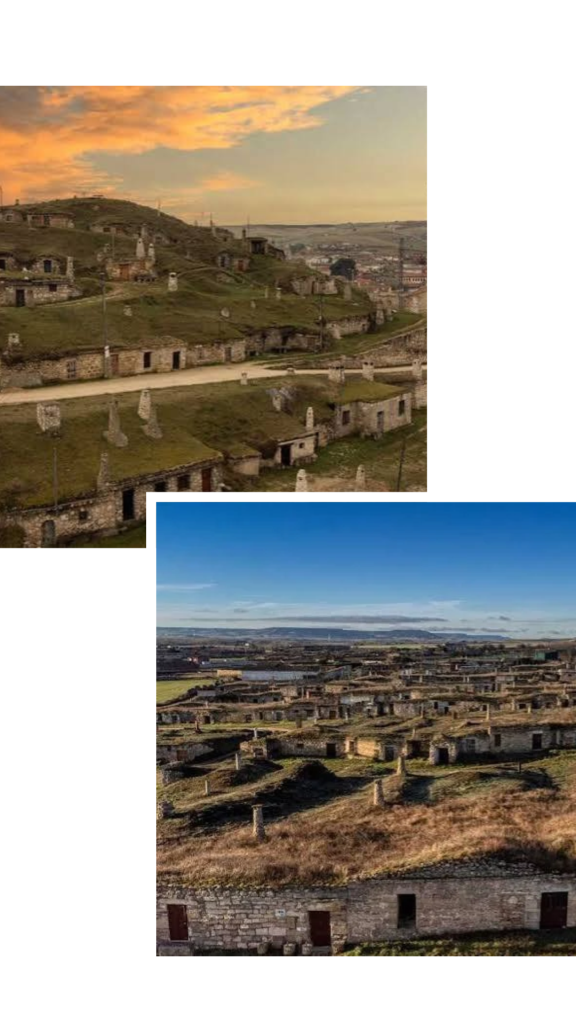
Cerrato Palentino demonstrates how cultural heritage, gastronomy and slow tourism can support rural destination development.
Spain’s Cerrato Palentino region is advancing a heritage-led approach to wine tourism through the development of three thematic itineraries designed to strengthen its position as a sustainable rural destination.
Announced on October 8th by the Provincial Council of Palencia (Diputación de Palencia), the initiative forms part of a European-funded sustainable tourism programme aimed at transforming local cultural and agricultural assets into structured visitor experiences.
Integrating Heritage, Gastronomy and Landscape
The project introduces three complementary tourism experiences:
- Underground Wine Heritage: Exploring Cerrato’s historic subterranean cellars, which reflect centuries of traditional winemaking practices and the region’s architectural identity.
- Gastronomy and Local Produce: Connecting regional wines with traditional cuisine, agricultural products and local food producers.
- Wine Cycling and Slow Tourism: Combining vineyard landscapes, river corridors and cycling routes to encourage environmentally responsible exploration.
The programme includes professional mentoring for ten local businesses and a €17,545 tourism product-development component, intended to strengthen collaboration and improve the commercial viability of regional experiences.
A Heritage-Led Model for Rural Wine Tourism
Cerrato’s approach illustrates the potential of cultural heritage as an economic and strategic asset for emerging wine destinations.
Unlike established wine regions whose international recognition is closely associated with prestigious appellations, lesser-known territories can differentiate themselves through distinctive landscapes, traditional architecture and locally embedded cultural practices.
The integration of underground cellars into contemporary tourism experiences is particularly significant. These historic structures represent both tangible heritage and evidence of the social and agricultural traditions that shaped the region.
By connecting heritage conservation with gastronomy and low-impact mobility, the initiative offers opportunities to diversify tourism demand, encourage longer visits and distribute economic benefits among smaller rural enterprises.
International Significance
For destination management organisations and regional tourism authorities, Cerrato provides a relevant example of place-based tourism development, where existing cultural resources form the foundation of new visitor experiences.
Its broader significance lies in demonstrating that wine tourism competitiveness need not depend exclusively on substantial winery investment or international brand recognition.
Instead, coordinated product development, community participation and the interpretation of local heritage can contribute to a distinctive destination identity.
Cerrato’s initiative illustrates how wine tourism can serve as an instrument of rural diversification, cultural preservation and sustainable regional development.
Its longer-term impact will depend on effective implementation, visitor demand and the extent to which economic benefits reach participating communities.
Source: Diputación de Palencia