
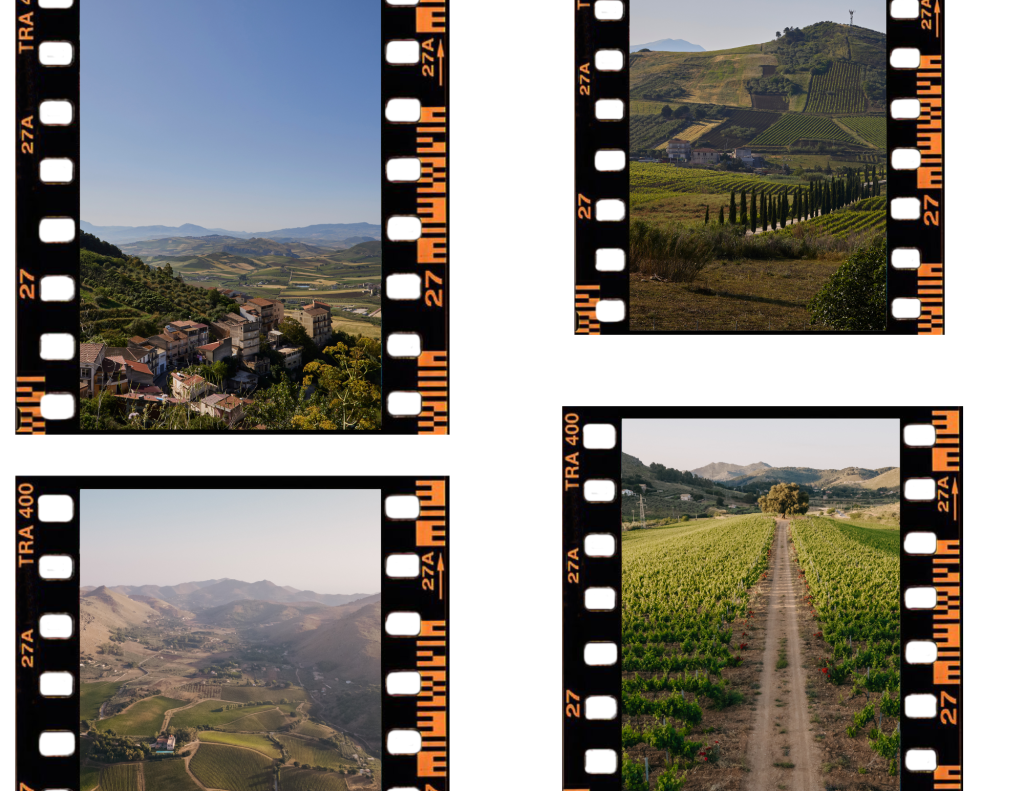
Palermo hosted the 22nd edition of Sicilia en Primeur from May 11 to 15, bringing together more than 100 international journalists, 12 wine tour operators, and 56 member wineries for five days of tastings, wine tours and talks. Assovini Sicilia, the island’s association of quality wine producers, has run the event since 2004. The 2026 edition adopted the slogan “Taste the Island. Live the Story,” framing wine as a gateway to Sicily’s broader cultural and territorial identity.
The opening conference at the Oratorio dei Bianchi set the tone for the week. Its focus was wine tourism, anchored by findings from a new report produced by CESEO-LUMSA, the Centre for Studies in Wine and Olive Oil Tourism at LUMSA University in Rome. The data was clear: 61.4% of Sicilian wineries reported an increase in visitors in 2025, and 74.7% said their clientele was predominantly foreign, with Europe and the United States as the strongest markets. Wine tourism currently accounts for around 10% of total turnover for 58.3% of wineries, excluding direct wine sales, but guided tours and tastings are proving increasingly effective marketing tools.
The conference also addressed the relationship between wine and younger consumers. Research from the Youth and Wine Observatory, presented by Vincenzo Russo of IULM University in Milan, found that 51% of Italians aged 20 to 24 drink wine, the highest figure on record for that age group. First-hand winery experiences ranked among the top drivers of their interest. The programme also covered the use of artificial intelligence in wine tourism strategy, with Edoardo Colombo of Turismi.AI arguing that Sicily is well positioned to become an advanced laboratory for smart, data-driven visitor experiences.
The tasting programme at the Real Albergo delle Povere, a recently renovated 18th-century building in central Palermo, featured more than 400 wines from the 56 participating wineries. A technical tasting led by AIS sommeliers ran alongside the presentation of the 2025 Harvest Report. Enologists Lorenza Scianna, Maria Carella, and Serena Cancemi described 2025 as a year of renewed confidence after two difficult harvests. White wines showed strong varietal character and fresh acidity. Coastal reds, particularly Nero d’Avola and Frappato, were more intensely coloured with full, vibrant flavour. In high-altitude zones, Catarratto and Perricone reflected the cooler conditions in their aromatic complexity and fine structure. The event concluded on May 16 with a public charity tasting at the same venue, with proceeds benefiting the Palermo branch of the Italian Red Cross.
Sicily’s Wine Regions: A Continent of Varieties
Sicily produces wine across a territory as varied as any region in Europe. The island has more than 24,600 hectares under vine and produces around 86 million bottles annually, with Assovini Sicilia’s 101 member wineries generating more than 80% of the value of bottled Sicilian wine. The DOC Sicily appellation, established in 2011, covers the broadest range of the island’s production and has become its most recognised international label.
Nero d’Avola remains the signature red grape, accounting for more than 60% of DOC Sicily production and showing marked quality growth since 2017. It takes different forms depending on origin: deeper, richer wines from central-southern Sicily; lighter, more consistent expressions from the west; and higher-polyphenol wines with herbaceous, almost caper-like notes from the east. Frappato, grown primarily in the southeast, produces lighter reds and rosés with bright acidity and is often blended with Nero d’Avola in Cerasuolo di Vittoria, Sicily’s only DOCG. On Etna, Nerello Mascalese has attracted intense international attention for its transparency and ageing potential. Catarratto, one of Italy’s most planted white varieties, grows across the western half of the island and is increasingly used for high-altitude sparkling wines. Grillo and Carricante round out the main whites, while Zibibbo from Pantelleria and Malvasia delle Lipari represent Sicily’s dessert wine tradition. Sicily is also Italy’s largest region for certified organic viticulture, with more than 26,000 organic hectares.
Visiting Sicily’s Wine Country
Wine tourism in Sicily is well established and growing. Among Assovini Sicilia’s member wineries, 84.8% already offer visitor services, and nearly all have dedicated tasting spaces. Guided tours with tastings are the most common offering. Around 46% host concerts and cultural events at the winery. Some 15% open their harvests to visitors in September and October, and 26% offer cooking courses connecting wine to Sicilian gastronomy.
A third of member wineries also offer on-site accommodation, making it possible to stay immersed in the terroir rather than simply passing through. For those planning a broader itinerary, Etna’s slopes combine wine visits with one of Europe’s most active volcanoes. Marsala, in the far west, offers historic cellars and a long coastline. The southeast, home to Nero d’Avola and Frappato, sits within the Val di Noto, a UNESCO World Heritage Site of Baroque towns including Ragusa, Noto, and Modica. Palermo, the island’s capital, layers Arab-Norman architecture, street food markets, and contemporary culture with easy access to wineries across the western interior.
Sicily is Italy’s second-most-visited food and wine destination after Tuscany, according to regional authorities. The infrastructure is increasingly in place. The work ahead, as the CESEO-LUMSA report makes clear, is converting that demand into structured, bookable experiences that deliver consistent value for international visitors.
During Sicilia en Primeur, several outstanding territories were explored on the press trips. Dijana Grgic, my collaborator, visited several outstanding wineries and provided the following report.
Arianna Occhipinti
Arianna Occhipinti founded her estate in 2004 at age 22 with a single hectare along Provincial Road 68 near Vittoria. The estate has since grown to encompass 40 hectares of vines, farmed organically and biodynamically. She built her reputation on native Frappato and Nero d’Avola, grown across nine contrade on sandy limestone soils. Her wines include the popular SP68 Rosso and Bianco, the pure Frappato, the Nero d’Avola Siccagno, and the flagship Grotte Alte, a Cerasuolo di Vittoria. She works with minimal sulfur, wild yeasts, and concrete tanks. Visitors book guided tours through the organic vineyards and the historic palmento, now a tasting room. Tastings pair the wines with the estate’s own olive oil, bread, and olives. Arianna’s sister Fausta runs the nearby Baglio Occhipinti, a small luxury hotel with rooms, a pool, garden, and restaurant. Guests can add cooking classes and Italian lessons. Reserve ahead, since this remains an intimate, working farm.
Bagno Pianetto
Count Paolo Marzotto founded Baglio di Pianetto in 1997, bringing French winemaking savoir faire to two Sicilian estates. The main estate sits at Santa Cristina Gela near Palermo, with vineyards climbing to roughly 650 metres for fresh, high-altitude wines. A second estate lies at Noto in the southeast, and the family also farms vineyards on Etna. The winery built a vertical, underground, gravity-flow cellar that uses geothermal cooling and runs on renewable energy. All wines have been certified organic since 2016. Flagship labels include the white Ficiligno, a blend of Insolia and Viognier, and the red Ramione, blending Nero d’Avola and Merlot. Visitors enjoy guided cellar and vineyard tours plus structured tastings from Monday to Friday, with weekend slots for groups. Guides lead guests through the rows to taste grapes. An on-site Agrirelais offers boutique rooms and a charming restaurant with vineyard views. The countryside setting makes an easy escape from Palermo.
Benanti
Giuseppe Benanti founded the estate in 1988, making it among the first to recognise the potential of Etna’s native varieties and volcanic soils. Benanti is the only producer with vineyards on every slope of the Etna DOC, working across contrade on the south-east slope at Viagrande, the south-west at Santa Maria di Licodia at 900 metres, and the north slope at Castiglione di Sicilia. Brothers Salvino and Antonio now lead the winery, focused on Nerello Mascalese, Nerello Cappuccio, and Carricante. Flagship wines include the Etna Rosso Riserva Rovittello and Serra della Contessa, sourced from pre-phylloxera vines. The hospitality experience takes place at the Tenuta di Monte Serra in Viagrande, a 19th-century palmento estate with vineyards on the slopes of Etna’s lowest extinct crater. Guests visit the centenary vines, the old palmento, and a former cellar converted into a painting collection room, then choose from three guided tasting and food pairing programmes: “Get to Know Etna,” “Contrade Selection,” and “Library Vintages.”
Cantina Valle delle Acate
The Jacono family founded this Ragusa estate in the late 19th century, when Giuseppe Jacono opened the winery during Vittoria’s wine-export boom to France. Six generations later, Gaetana Jacono leads the company, joined by the Ferreri family. The estate covers about 80 hectares of fully organic vineyards in the Dirillo Valley near Acate. Its terroir features seven distinct soil types, the basis of the “Seven Soils, Seven Wines” project. The estate specializes in native Frappato and Nero d’Avola, with the flagship Cerasuolo di Vittoria DOCG, Sicily’s only DOCG. Standout wines include the cru Iri da Iri, Il Frappato, Vigna Biddine Sottana, and Tané Nero d’Avola. Visitors tour the vineyards, the historic palmento, and the cement fermentation “dispensa.” The estate sits on the Cerasuolo di Vittoria wine route among Baroque towns. Casa del Gelso, set in the historic cellars, pairs estate wines with dishes from chef Davide Di Corato. Reserve tastings in advance for the full experience.
Cantine Settesoli
Sixty-eight winegrowers founded the Cantine Settesoli cooperative in Menfi in 1958, and by the first 1965 harvest membership had grown to 302. Today the cooperative unites around 2,000 members growing 36 cultivars over 6,000 hectares of vineyard, roughly 7 percent of the island’s vine cultivations, with over 1,000 hectares certified organic. The cooperative pioneered early bottling and exports when most Sicilian wine sold in bulk. It produces under the Settesoli, Inycon, and premium Mandrarossa brands across many native and international varieties. Mandrarossa, launched in 1999, draws on mapped Menfi terroirs with sea breezes, varied soils, and elevations. In summer 2021, Mandrarossa opened a sustainable, partly underground eco-winery in Contrada Puccia. The winery welcomes visitors with a wine shop and two tasting rooms from Tuesday to Saturday. Guests book Classic Wine Tours or Food and Wine itineraries, including vertical tastings and a Nero d’Avola flight. The Mandrarossa Kitchen Brigade, local women of Menfi, cooks traditional dishes for wine lunches. The annual Mandrarossa Vineyard Tour brings two days of tastings, music, and food near the sea.
Cottanera
Francesco Cambria bought 100 hectares of vineyards and hazelnut groves near Randazzo in 1962, founding what became Cottanera. His son Guglielmo built a winery in the late 1980s, shifting toward quality wine in the mid-1990s. After Guglielmo’s death, his brother Enzo and children Mariangela, Francesco, and Emanuele now lead the estate. Cottanera farms about 65 hectares of vineyards on the northern slope of Etna at around 700 metres. Volcanic, mineral-rich soils feed native Nerello Mascalese, Nerello Cappuccio, and Carricante across five contrade. Wines include Etna Bianco, Etna Rosato, and contrada reds from Calderara, Diciassettesalme, and Feudo di Mezzo. The winery opens Monday to Saturday for vineyard walks, cellar visits, and tastings, with booking essential. The lava-stone tasting rooms frame views of the vineyards and the volcano. Guests pair Etna wines with wood-fired bread, Nebrodi cheeses, and salami. Jeep tours, vineyard lunches, dinners, and cooking classes round out the offerings.
Donnafugata
The Rallo family created Donnafugata in 1983, building on cellars established in Marsala in 1851. The first wines came from Contessa Entellina in western Sicily, and the family reached Pantelleria in 1989. Today the fifth generation runs estates across Contessa Entellina, Marsala, Pantelleria, Etna, and Vittoria. The wines span native and international varieties, from Ansonica and Catarratto to Nero d’Avola and Zibibbo. Famous labels include the Ben Ryé Passito di Pantelleria, Mille e una Notte, and the Chardonnay Chiarandà. The historic Marsala cellars, a Mediterranean baglio dating to 1851, have welcomed visitors for over twenty years. Donnafugata offers guided tours and professional tastings across its wineries, with refined Sicilian food pairings. The Randazzo winery shows vineyards and a barrique cellar with volcano views. The Pantelleria estate opens in summer among terraced Zibibbo vineyards. Reservations are required, and families, reduced-mobility guests, and small pets are accommodated.
Feudi Pisciotto
Feudi del Pisciotto, part of the Castellare di Castellina group founded by Paolo Panerai, rises in the Val di Noto near Niscemi. The estate spans 187 hectares, with around 44 hectares of vineyards replanted since 2002 on the edge of the Sughereta di Niscemi reserve. Vineyards sit at about 250 metres, five kilometres from the sea, benefiting from altitude and sea breezes. The late oenologist Giacomo Tachis shaped the project, planting Nero d’Avola, Frappato, Merlot, Cabernet, and Pinot Noir. The flagship line, the Grandi Stilisti Collection, carries labels by fashion designers like Versace and Missoni. The Versace-labelled Nero d’Avola 2015 ranked #96 on Wine Spectator’s Top 100 of 2017, the only Sicilian wine on that list. A modern cellar joins an 18th-century baglio housing the Wine Relais. The boutique hotel offers 15 rooms named for designers, a pool, wellness area, and gourmet restaurant in the old cellar. Guests enjoy winery tours, tastings, and the Le Cirque cooking school.
Feudo Maccari
Tuscan entrepreneur Antonio Moretti Cuseri founded Feudo Maccari in 2000, near Noto in southeastern Sicily. He assembled around 250 hectares from more than fifty separate plots, with vineyards facing the Vendicari nature reserve. The estate plants native Nero d’Avola, Grillo, and Syrah using the traditional bush-trained alberello system. Old vines, limestone and volcanic soils, sea breezes, and abundant sun shape the wines. The flagship Saia, a barrique-aged Nero d’Avola, leads the range alongside Vigna Sultana, the Syrah Maharis, and the Grillo Olli. Renowned oenologist Carlo Ferrini consults, and Moretti Cuseri’s daughter Monica helps run the estate. The modern, multi-level winery integrates carefully into the surrounding almond and olive groves. Visitors book guided vineyard walks explaining the alberello method, soils, and climate. Guided tastings of four wines, including Saia, pair with local cheeses and bruschetta. A guest house and tasting room welcome travelers exploring the Val di Noto and nearby beaches.
Graci
Alberto Aiello Graci left a Milan banking career in 2004 to make wine on Etna’s northern slope. He returned to his family’s Sicilian roots, basing the estate at Passopisciaro in Castiglione di Sicilia. Vineyards sit between 600 and 1,000 metres, with high planting density and many ungrafted, old-vine parcels. Graci farms organically, grows only native varieties, and limits cellar intervention. He works with Nerello Mascalese, Nerello Cappuccio, Carricante, and Catarratto across several contrade. Wines include the Etna Rosso, the cru Quota 600, the high-altitude Quota 1000, and the Carricante Arcuria. Fermentation and aging happen in concrete tanks and large old wooden casks. The nearly 200-year-old winery holds a centuries-old wine press and towering tini. Visitors book intimate tours and tastings that feel like a conversation with the winemaker. The sleek tasting room keeps the focus on the wines and the volcanic terroir. Email ahead to secure a slot.
Planeta
The Planeta family farmed Sicilian land for 17 generations before founding the modern winery at Ulmo in 1995. Diego, Alessio, Francesca, and Santi Planeta led a journey across the island, region by region. Today Planeta runs estates in five territories: Menfi, Vittoria, Noto, Etna, and Capo Milazzo. The family follows a motto of “every territory its own winery,” matching each soil to ideal grapes. Planeta made waves with its Chardonnay, then expanded into Cerasuolo di Vittoria, Etna wines, Nero d’Avola, and Mamertino. Signature wines include Santa Cecilia, Cometa, and the Etna Carricante Eruzione 1614. The family’s region holds the largest organic vineyard area in Italy, and Planeta is a founding member of SOStain. Wine tourism is central, with hospitality at all five territories. La Foresteria Menfi offers a resort with restaurant, pool, and experiences like biking and trekking. The Sciaranuova estate, seen in The White Lotus, hosts a summer theatre festival.
Tasca d’Almarita
Tasca d’Almerita ranks among Italy’s oldest family wineries, founded in 1830 at Regaleali in central Sicily. Eight generations have advanced Sicilian enology from this estate, which spans nearly 600 hectares with 382 under vine across six hills between 450 and 850 metres. The family created Rosso del Conte, Sicily’s first single-vineyard wine, from a bush-trained planting of Perricone and Nero d’Avola; the 1970 vintage became that landmark wine. Since 2001, the family added estates at Capofaro on Salina, Tascante on Etna, Whitaker on Mozia, and Sallier de La Tour in Monreale. Alberto Tasca leads today with a focus on sustainability, holding B Corp certification. Flagship wines include Rosso del Conte, Nozze d’Oro, and the Tascante Etna reds. At Regaleali, guests enjoy vineyard strolls, e-bike and hiking tours, and themed tastings with local food. The estate offers rooms and a cooking school in a 19th-century masseria. Capofaro on Salina is a Relais and Châteaux hotel among Malvasia vines, with a gourmet restaurant and sea views.
Tenuta di Fessina
Silvia Maestrelli founded Tenuta di Fessina in 2007, becoming a pioneering woman producer on Etna. She secured plots on different slopes, with the estate based at Rovittello on the northern flank. The vineyards hold old bush vines of Nerello Mascalese, mostly ungrafted, averaging around eighty years old. A treasured 18th-century lava-stone millstone and palmento sit at the heart of the vineyard. After Maestrelli’s death, the team led by Jacopo Maniaci carries forward her legacy. Wines include the Erse Bianco and Rosso, the Carricante A’ Puddara, and the flagship Etna Rosso Riserva Il Musmeci. The estate farms manually and organically across roughly nine hectares within the Etna DOC. The restored structure offers six rooms for accommodation, integrated into the village and the historic cellar. Food pairing tastings match each label with a local, slow-food recipe. The estate makes an ideal stop after hiking Etna’s craters and lava caves.
Zisola
The Mazzei family, Tuscan winemakers since the 14th century, founded Zisola near Noto in 2003. Owners of Castello di Fonterutoli in Chianti, they extended their craft to southeastern Sicily. The estate spans about 50 hectares, with vineyards interspersed with olive, citrus, and almond trees. Gently sloping land near the sea, at around 90 to 130 metres, tempers the summer heat. The vineyards focus on native Nero d’Avola, bush-trained in the alberello style, plus Grillo and Catarratto. Wines include the flagship Doppiozeta, the Zisola Nero d’Avola, the Petit Verdot Effe Emme, and the Grillo Azisa. Zisola earned organic certification in 2023, and Carlo Ferrini consults on the wines. Visitors tour the vineyards and the 18th-century baglio housing the cellar, led by a sommelier. Experiences range from premium tours to vertical cru tastings and food pairings. A wine and food experience adds a light lunch of local, zero-kilometre products near Baroque Noto.
Filippo Magnani