
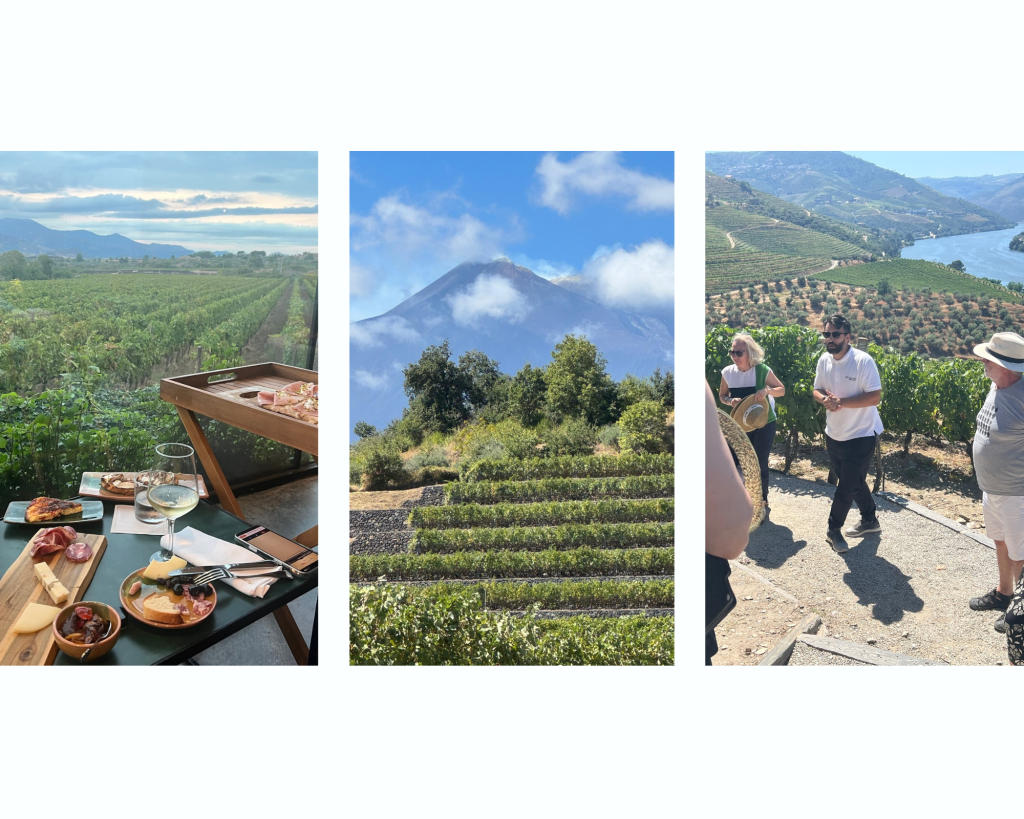
New international research suggests that wine involvement, individual preferences and personalised experiences are more influential than nationality in shaping winery tourism.
A new study from Sonoma State University’s Wine Business Institute challenges conventional approaches to wine tourism marketing and visitor segmentation, suggesting that a tourist’s relationship with wine is a more reliable indicator of their preferred winery experience than nationality or demographic characteristics.
Led by Dr InHaeng Jung and supported by a Great Wine Capitals International Research Grant, the study surveyed 809 wine consumers across France, mainland China, South Korea and the United States, alongside interviews with 14 wine professionals across six markets.
Rethinking Wine Tourism Segmentation
Researchers identified four visitor profiles: those seeking a comprehensive winery experience, wine-focused enthusiasts favouring expert guidance, independent explorers and visitors demonstrating limited engagement. These segments appeared in broadly similar proportions across all four countries.
Significantly, wine involvement, perceived knowledge and personal values explained approximately twice as much variation in visitor preferences as nationality, and eight times as much as age, gender, education and income.
The findings indicate that wine involvement, perceived knowledge and personal values are more informative than nationality or conventional demographic characteristics in explaining overall winery visitor preferences. However, individual preferences for guided experiences remain difficult to predict, reinforcing the importance of flexible, visitor-centred hospitality.
Experience Quality Over Participation
One particularly notable finding concerns experiential wine tourism. Hands-on activities, including harvesting, cellar tours and blending sessions, ranked lowest among the four experience categories examined. Respondents placed greater importance on wine education and attractive surroundings, with American and French participants expressing particularly strong preferences for the setting.
Furthermore, approximately one-quarter of respondents in each country strongly preferred independent exploration, suggesting that exclusively guided tasting programmes may overlook a substantial visitor segment.
These findings do not diminish the value of immersive experiences but indicate that their appeal should not be presumed universal.
Implications for Global Wine Tourism
For wineries and destination marketing organisations, the research supports a more flexible, visitor-centred approach to experience development.
Rather than creating programmes around broad national or demographic assumptions, operators could prioritise personalised tastings, accessible wine education and greater autonomy in how visitors engage with wineries.
The researchers also recommend incorporating a brief visitor questionnaire into the booking process to identify individual preferences before arrival.
At a time when wineries face changing consumer behaviour and increasing sensitivity to tasting fees, such measures could improve service relevance without substantial additional investment.
A More Personalized Future
The broader implication for international wine tourism is a strategic shift from demographic categorisation towards behavioural and motivational segmentation.
While further research would be valuable in establishing how these preferences translate into visitor expenditure, satisfaction and repeat visitation, the study provides an important foundation for reconsidering traditional hospitality models.
Ultimately, successful wine tourism may depend less on where visitors come from and more on understanding what they seek from the experience.
Sources: Sonoma State University, Wine Business Institute, Great Wine Capitals Global Network, Research led by Dr InHaeng Jung, with co-investigators Anqi Luo, Tian Ye
#WineTourism #WineTourismResearch #SonomaStateUniversity #WineIndustry #WineMarketing #WineryExperiences #DestinationMarketing #ExperientialTourism