
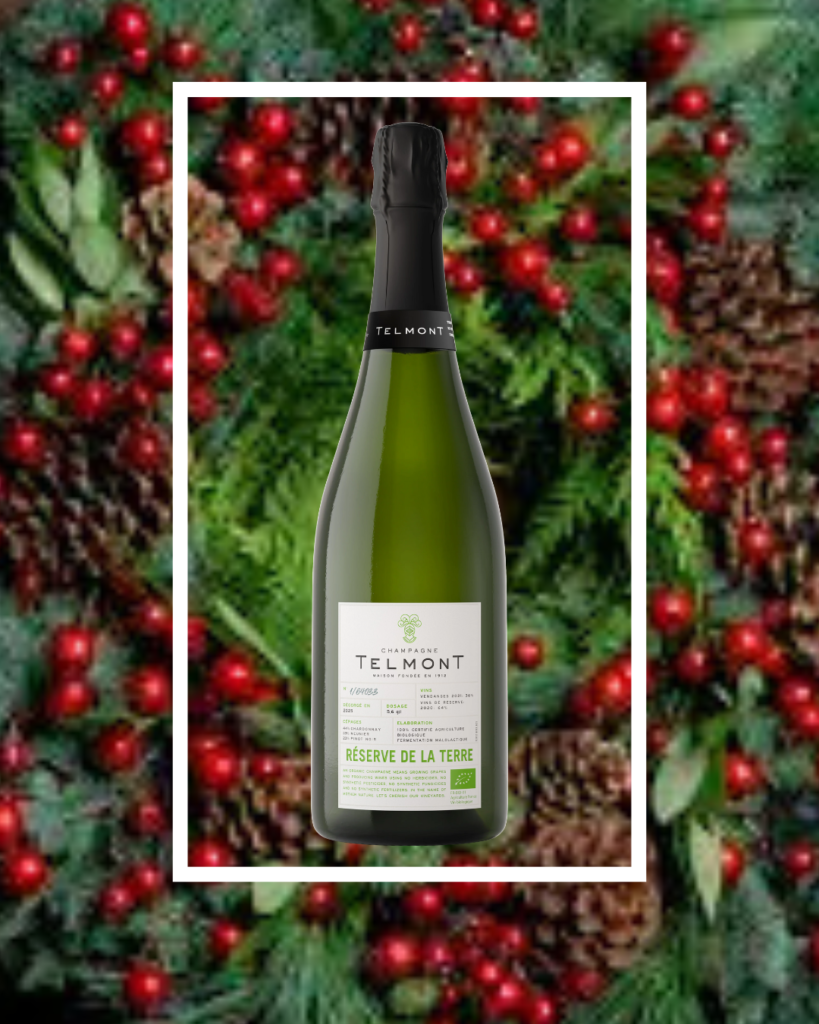
Champagne is a region built on centuries of tradition, but every so often, a house emerges that doesn’t just update the rule book; it edits the whole document. Telmont, the organically driven, sustainability-obsessed house from Damery, is one of the most compelling modern narratives in Champagne today. With a history that stretches back more than a century and a present that leans confidently into ecological transformation, Telmont stands at the crossroads of heritage and next‑generation innovation.
A Champagne House Born in 1912 and Reborn in the 21st Century
Telmont was founded in 1912, when winegrower Henri Lhôpital established a small estate rooted in traditional Champagne viticulture. For much of the 20th century, the family-built maison remained a local, agriculture‑focused producer, known for meticulous vineyard work and precise blending.
The plot twist arrived in 2020, when Telmont received significant support from partners aligned with its environmental mission, including an investment from actor and environmental advocate Leonardo DiCaprio in 2022. Rather than pivot toward celebrity gloss, Telmont doubled down on its ecological commitments. By 2025, the house had emerged as one of Champagne’s most resolute voices in sustainability, championing:
- Organic certification for 100% of its vines (a multi‑year transition nearing completion)
- Zero unnecessary packaging
- Full transparency in labelling
- Renewable energy integration
- A “leave no trace” approach across production and the supply chain
This ethos has earned Telmont a devoted following among sommeliers, collectors, and environmentally conscious drinkers, including the sustainably minded Gen Z audience, who treat vineyard biodiversity with the same reverence earlier generations reserved for luxury labels.
Location
Telmont’s home village of Damery sits in the Vallée de la Marne, west of Épernay. Historically dominated by Meunier, the region benefits from clay‑rich soils and cooler ripening conditions that allow the grape to express freshness and aromatic precision.
The estate farms vineyards in Damery as well as parcels in nearby villages, including Cumières, Hautvillers, and Boursault, creating a diverse mosaic of chalk, clay, sand, limestone, and flint soils. This range enables Telmont to craft blends that emphasize finesse, lift, and orchard‑fruit purity.
Damery itself offers a humble, pastoral counterpoint to Champagne’s grander tourism hubs. It is a village where winemakers still know their neighbours, tractors hum through the early morning light, and the Marne River glints softly between vineyard slopes.
Telmont Réserve Brut – Wine Review
No. 145037/312589
Disgorged in 2024
Dosage 3.4 g/l
40% Chardonnay
29%Meunier
31% Pinot Noir
Extra Brut
The Réserve Brut is Telmont’s thesis statement: a Champagne that foregrounds orchard fruit, chalk‑driven minerality, and winemaking restraint.
Appearance: A luminous golden hue with fine, persistent bubbles and an elegant mousse.
Aromas: Pear, apple, and peach, layered with hints of honeysuckle and almond.
Palate: Crisp apple and citrus notes intertwine with delicate brioche, supported by precise, refreshing acidity. The mousse is refined and persistent, carrying a mineral thread from start to finish.
Finish: Long, harmonious, and mineral‑driven, with lingering notes of candied fruit and citrus that echo the Vallée de la Marne’s signature finesse.
This is a Champagne that feels effortlessly composed, akin to a minimalist painting where every brushstroke matters.
92 Points
Liz Palmer
There are many reasons why I chose Champagne Telmont as one of my holiday favourites, including their wines’ favouring clarity over artifice, vineyard truth over marketing gloss, and ecological health over short-term convenience. In 2025, that stance resonates with a global audience seeking luxury aligned with values.
This house bridges Champagne’s agricultural past with its environmentally conscious future, proving that sustainability is not a trend, but a pathway to deeper, more authentic expression.