
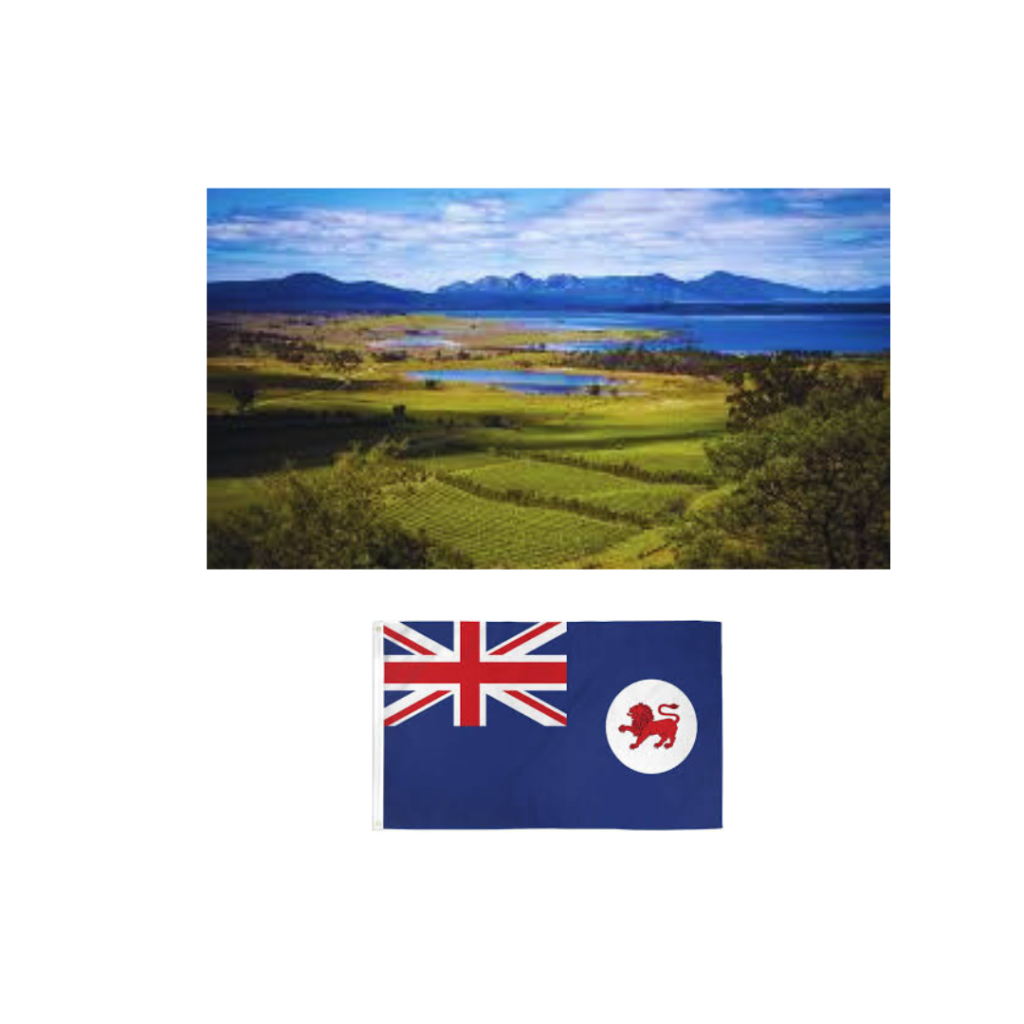
The 2026 vintage has officially begun across Tasmania, as vineyards and wineries enter the most important, and exhilarating, stage of the winemaking calendar. The first grapes of the season are now arriving at wineries, signalling the start of a harvest period that will continue through late May, and potentially into June for later-ripening varieties.
For wine travellers, harvest represents one of the most compelling times to experience the region. Vineyards are alive with activity, cellar doors buzz with anticipation, and visitors gain rare insight into the agricultural and cultural rhythms that define Tasmania’s cool-climate wine identity.
Protecting the Vintage Through Community Cooperation
Recognizing the sensitivity of this stage, Wine Tasmania has encouraged local landholders to coordinate with nearby vineyards before undertaking controlled burns or lighting fires.
According to Paul Smart, grapes are particularly susceptible to smoke exposure during harvest, making simple communication between neighbours essential.
“Sometimes weather conditions or the stage of harvest means the risk is minimal,” Smart noted. “In other cases, a short delay may be enough to prevent potential damage to the fruit.”
To support this effort, Wine Tasmania is working closely with the Tasmania Fire Service, Sustainable Timber Tasmania, and the Tasmania Parks and Wildlife Service to balance public safety with vineyard protection.
A Slow Season with Promising Quality
The 2025–2026 growing season has been somewhat unusual. A cooler-than-average spring followed by a mild, dry summer has slowed grape ripening across the island.
While yields are expected to decline by roughly 30 percent compared with last year’s record production, the extended ripening period may prove advantageous. Slower maturation often enhances aromatic complexity and flavour intensity—qualities that Tasmania’s wines are widely celebrated for.
The first grapes harvested will be used primarily for sparkling wines, an area where Tasmania has built an international reputation thanks to its cool maritime climate and exceptional fruit purity.
Smaller yields may define the 2026 vintage, but expectations remain high for wines of remarkable concentration and character, another chapter in Tasmania’s growing reputation as one of the Southern Hemisphere’s most compelling cool-climate wine destinations.