
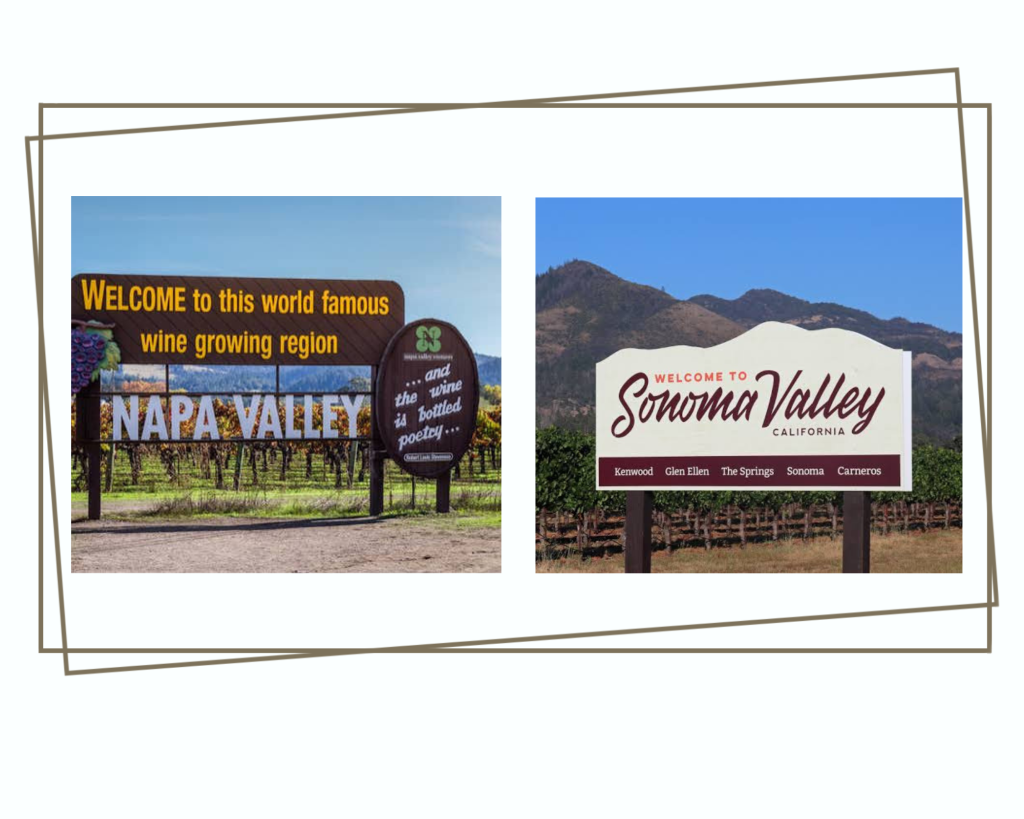
For decades, Napa Valley and Sonoma County represented the gold standard of premium wine tourism. Exclusive tastings, luxury hospitality, and elevated visitor experiences helped establish California Wine Country as one of the world’s most successful wine tourism destinations.
Today, however, a significant shift is underway.
Faced with declining visitation, changing consumer preferences, and broader challenges across the global wine industry, a growing number of wineries in Napa and Sonoma are lowering tasting fees, introducing more accessible experiences, and rethinking how they engage visitors.
The move represents more than a pricing adjustment. It signals a broader transformation in wine tourism, where value, authenticity, and experience are becoming increasingly important alongside prestige.
A Market Correction in Wine Country
According to a recent industry analysis reported by the San Francisco Chronicle, approximately one-third of wineries in Napa and Sonoma reduced tasting fees during the past year as operators responded to slowing tourism demand and declining wine consumption trends. The report cites findings from the Silicon Valley Bank (SVB) State of the U.S. Wine Industry Report, one of the sector’s most closely watched annual assessments. (San Francisco Chronicle)
The challenge is not simply about price. It reflects a changing marketplace in which younger consumers are drinking less wine, seeking different types of experiences, and becoming more selective about discretionary spending. At the same time, travel costs have risen, creating additional pressure on destination wine tourism.
As wine industry analyst Rob McMillan of Silicon Valley Bank observed, wineries are increasingly experimenting with new approaches to attract visitors, including entry-level tastings, special promotions, and alternative direct-to-consumer engagement models. (San Francisco Chronicle)
The Price Problem
The evolution of tasting room pricing has been dramatic.
Industry data show that average tasting fees in the United States have risen sharply over the past decade. In Napa Valley, standard tastings frequently exceed US$75, while reserve experiences can surpass US$130 per guest. Some luxury experiences have reached several hundred dollars per person. (Wine-Searcher)
A 2023 report documented a 35% increase in Napa tasting fees in a single year, helping establish California’s premier wine region as one of the most expensive wine tourism destinations in the world. (San Francisco Chronicle)
While premium experiences remain important, many wineries are now recognizing that high pricing alone is no longer sufficient to drive visitation.
According to the San Francisco Chronicle report:
“About 30% of wineries in Napa and Sonoma lowered fees in 2025.” (San Francisco Chronicle)
The reductions are often accompanied by new visitor offerings designed to create a lower barrier to entry for first-time wine tourists and younger consumers.
The Rise of Experience-Driven Wine Tourism
The shift occurring in Napa and Sonoma mirrors broader global trends within wine tourism.
Increasingly, travellers are prioritizing experiences over transactions. Visitors want storytelling, authenticity, gastronomy, sustainability, local culture, and memorable personal connections rather than simply paying for a tasting flight.
Recent industry analysis published by Food & Wine notes that many California wineries are moving away from ultra-premium tasting models and toward experiences that emphasize accessibility, community engagement, entertainment, and lifestyle appeal. (Food & Wine)
Which include:
* Walkable urban tasting experiences
* Food and wine pairing programmes
* Vineyard adventures and outdoor activities
* Music and cultural events
* Family-friendly winery offerings
* Sustainability-focused experiences
As one recent analysis noted, younger consumers increasingly value “community, authenticity, and fun over exclusivity.” (Food & Wine)
A Global Wine Tourism Lesson
What makes this development particularly significant is that it is occurring in Napa Valley.
For decades, Napa served as a benchmark for premium wine tourism worldwide. Regions from South America to Australia, South Africa, and Europe often looked to Napa as a model for visitor experience development.
Consequently, when Napa changes course, the global wine tourism sector pays attention.
The current recalibration suggests that even the world’s most successful wine destinations must continually adapt to changing visitor expectations.
This is not necessarily a retreat from luxury. Rather, it is an evolution toward a more nuanced model where premium experiences coexist with accessible entry points designed to attract new audiences.
References:
Silicon Valley Bank. State of the U.S. Wine Industry Report 2026.
Jess Lander, San Francisco Chronicle. “One-third of Napa and Sonoma wineries report lowering their tasting fees amid tourism declines.” Published June 2026.
Food & Wine. “Napa’s $750 Tastings Are Out — Zip Lines, Vinyl Nights and $30 Flights Are In.” 2026.
Forbes. “Downtown Napa Wine Tasting Without Reservations Is Changing Napa.” 2026.
WineBusiness Monthly, Tasting Room Survey Reports 2025–2026.