
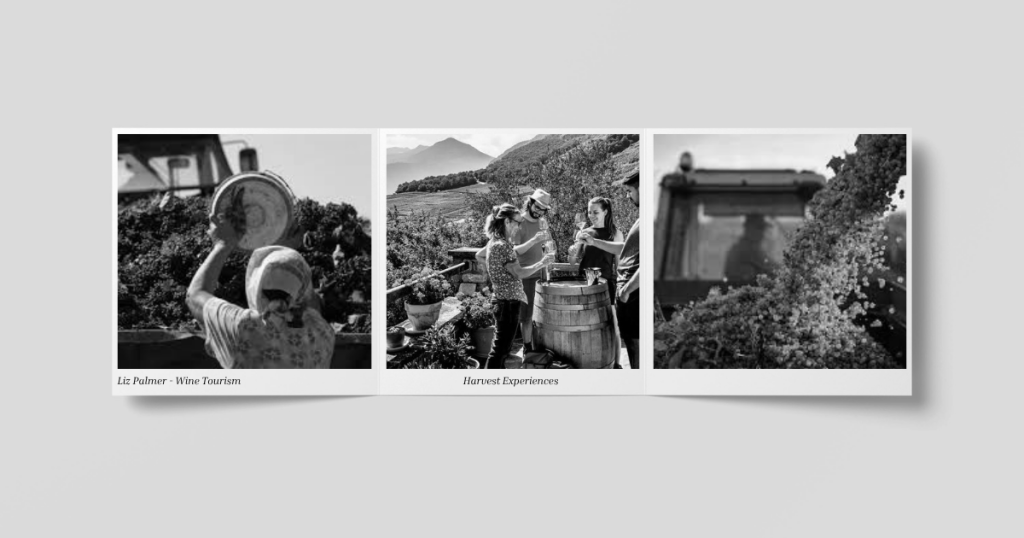
For generations, the annual grape harvest was an event reserved for vineyard workers and winemakers. Today, it has evolved into one of the most sought-after experiences in global wine tourism. Across Europe, North America, South America, Australia, New Zealand, and South Africa, wineries are increasingly opening their vineyards to visitors, transforming harvest from an agricultural necessity into a premium tourism product.
This evolution reflects a broader shift in traveller behaviour. Increasingly, visitors are seeking immersive, experience-driven journeys that connect them with the people, places, and traditions behind a destination. Rather than simply tasting wine, they want to understand how it is grown, harvested, and crafted.
Harvest experiences now include grape picking, vineyard lunches, cellar tours, blending workshops, harvest dinners, and opportunities to meet the winemakers responsible for each vintage. These activities create deeper emotional connections while supporting rural economies and extending the tourism season beyond traditional peak periods.
When is the Best Time to Visit During Harvest?
The answer depends on where you travel.
Northern Hemisphere
- August: Champagne, Provence, Sicily
- September: Burgundy, Bordeaux, Tuscany, Rioja, Douro, Napa Valley, Okanagan
- October: Mount Etna, Piedmont, Germany, Portugal
Southern Hemisphere
- February to April: Argentina, Chile, South Africa, Australia, New Zealand
Because climate and altitude vary, some regions, such as Sicily and Mount Etna, offer harvest experiences over several months, providing visitors with exceptional flexibility.
Are More Wineries Inviting Visitors to Participate?
The answer is increasingly yes.
Many wineries now recognise that harvest experiences strengthen visitor engagement while creating additional revenue opportunities. Carefully managed participation allows guests to pick grapes, observe sorting tables, join harvest celebrations, and enjoy vineyard meals without disrupting production.
This reflects a broader transition from product-based tourism to experience-based tourism.
Native Grapes Worth Discovering
Harvest offers the ideal opportunity to discover indigenous grape varieties that express a region’s identity:
- Nero d’Avola – Sicily
- Carricante – Mount Etna
- Nerello Mascalese – Mount Etna
- Grillo – Western Sicily
- Albariño – Spain
- Touriga Nacional – Portugal
- Assyrtiko – Greece
- Xinomavro – Greece
These grapes tell stories that international varieties often cannot.
Questions Every Wine Traveller Should Ask
Instead of asking only “What wines do you make?”, consider asking:
- Which grape variety best expresses your terroir?
- How has climate change influenced harvest timing?
- What traditions have remained unchanged for generations?
- How does the harvest shape your local community?
- Which local dishes best pair with these wines?
These conversations often become the most memorable part of the visit.
Looking Ahead
Harvest tourism is no longer simply about wine. It is about authenticity, heritage, gastronomy, and community.
The regions that will lead the future of wine tourism will be those that transform harvest into meaningful cultural experiences while preserving the traditions that make each destination unique.