
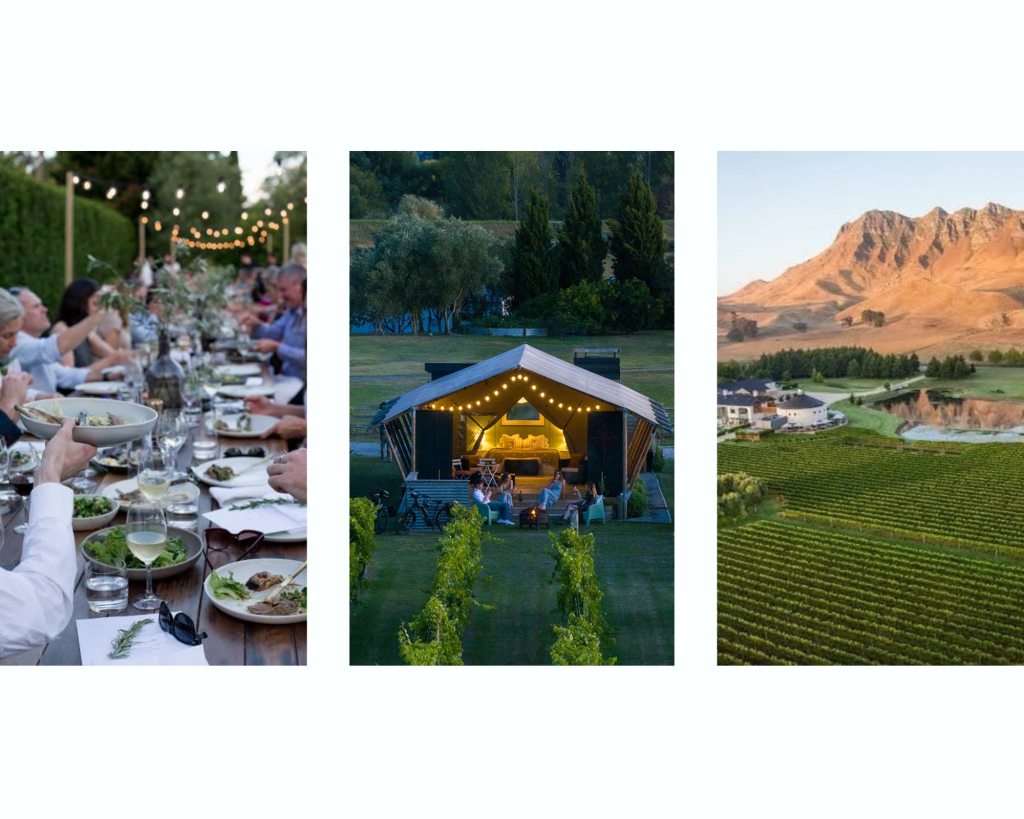
I was honoured and delighted to receive an invitation to speak at the 2026 Great Wine Capitals Global Network Annual Conference in Hawke’s Bay, New Zealand, this October. Unfortunately, I was unable to participate this year, which was particularly disappointing given the conference’s timely focus on responsible wine tourism, sustainability and strategic destination development – areas central to my professional expertise and international work.
This year’s conference places particular emphasis on social licence to operate, sustainability and community wellbeing, reflecting a broader shift in how wine tourism destinations approach long-term development, governance and international competitiveness.
Increasingly, the success of wine tourism is measured not solely by visitor numbers or economic performance, but also by a destination’s ability to balance tourism growth with environmental stewardship, cultural preservation and meaningful benefits for local communities.
This shift is central to the 26th Great Wine Capitals Global Network Annual Conference, taking place in Hawke’s Bay, New Zealand, from October 18–22, 2026. The five-day gathering brings together representatives of leading international wine regions, tourism organisations, wineries and industry stakeholders to exchange knowledge and examine emerging priorities in wine tourism development.
Through professional exchanges, technical winery visits, business meetings and cultural experiences, the conference provides an international platform for collaboration and destination development.
Social Licence: A New Dimension of Wine Tourism Governance
One of the conference’s most significant themes is social licence to operate—the continuing acceptance and support of business and tourism activities by the communities in which they take place.
The October 22 Knowledge Day will examine how changing expectations around sustainability, health, labour, culture and community wellbeing are influencing the wine industry’s relationship with society.
For wine tourism destinations, this raises an important strategic question: Can tourism growth be considered successful if it does not also generate lasting benefits for local communities?
Traditional measures of destination performance have largely emphasised visitor arrivals, expenditure and economic contribution. Although these indicators remain important, they provide an incomplete assessment of tourism’s wider effects.
A more comprehensive framework would also consider environmental stewardship, resident participation, cultural preservation and the distribution of economic benefits across local communities.
From Destination Marketing to Destination Stewardship
The relevance of social licence extends beyond individual wineries. Wine tourism depends upon interconnected regional assets, including landscapes, agricultural traditions, cultural heritage, hospitality infrastructure and local communities.
Consequently, long-term destination competitiveness requires more than effective marketing. It also depends on collaborative governance, responsible resource management and meaningful engagement with residents and regional stakeholders.
For established and emerging wine regions alike, the Hawke’s Bay discussions present an opportunity to reconsider how wine tourism strategies are developed, implemented and evaluated.
An International Perspective
The significance of the 2026 Great Wine Capitals conference lies in its recognition that wine tourism’s future must be considered within a broader social and environmental context.
As international wine destinations seek to strengthen their competitiveness, the transition from destination promotion to destination stewardship may become one of the defining developments in wine tourism policy and management.
Hawke’s Bay provides a timely setting for this discussion—and an opportunity for the international wine tourism community to consider how commercial success, community acceptance and environmental responsibility can reinforce one another.
For further details: https://www.gwchawkesbay26.com/register-here
Although I could not attend this year’s conference in person, I look forward to following its outcomes and sharing key insights from the discussions.
Stay tuned for further updates and international perspectives as the conference’s findings and initiatives emerge.
Sources: Great Wine Capitals Global Network, Hawke’s Bay Tourism