
Italy’s landmark infrastructure project has the potential to reshape not only transportation, but also the future of experiential travel, regional development, and wine tourism across Sicily and Calabria.
For centuries, the Strait of Messina has represented both a gateway and a barrier between mainland Italy and Sicily. Now, after decades of political debate, engineering revisions, and funding challenges, Italy has taken another significant step toward realizing one of Europe’s most ambitious infrastructure projects: the Strait of Messina Bridge.
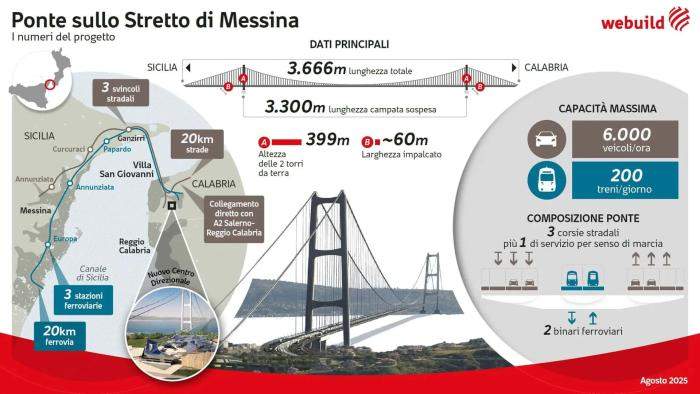
If completed as planned, the bridge would become the world’s longest single-span suspension bridge, stretching approximately 3.3 kilometres between Calabria and Sicily while carrying both highway traffic and rail services. More importantly, it could fundamentally alter how visitors experience Southern Italy – including its remarkable but often underappreciated wine regions.
Infrastructure as a Driver of Wine Tourism
The global wine tourism industry increasingly depends on accessibility. While exceptional wines and authentic experiences remain at its core, modern travellers seek seamless journeys that connect vineyards, gastronomy, culture, and heritage.
The proposed bridge has the potential to transform Sicily from an island destination requiring logistical planning into an easily integrated extension of broader Italian itineraries. Likewise, Calabria, home to historic appellations and indigenous grape varieties, could benefit from increased exposure as travellers explore both regions in a single journey.
This is particularly relevant as destinations worldwide compete not only on wine quality but on visitor convenience and immersive travel experiences.
Beyond Engineering: A Catalyst for Regional Growth
Italy’s Parliament recently approved legislation confirming a financial framework of approximately €14.442 billion, while rescheduling part of the expenditure into the 2030–2034 budget cycle. Current plans envision completion around 2034, although the project continues to navigate regulatory and environmental reviews.
The bridge itself would feature six highway lanes and two railway tracks, with projected capacity for approximately 200 trains per day and up to 6,000 vehicles per hour. Such connectivity could substantially reduce travel times across the Strait, replacing reliance on ferry schedules with continuous road and rail access.
For tourism economies, reduced friction often translates into longer visitor stays, higher regional spending, and stronger dispersal into rural communities—precisely the areas where wine tourism generates its greatest economic and cultural value.
Opportunities for Sicily and Calabria
Sicily has earned international recognition for regions such as Etna, Vittoria, Marsala, and Noto, while Calabria remains one of Italy’s hidden gems, producing distinctive wines from varieties including Gaglioppo and Greco Bianco.
Enhanced physical connectivity could encourage collaborative tourism initiatives, cross-regional wine routes, and multi-day itineraries that combine vineyards, archaeological sites, coastal experiences, and culinary traditions.
Rather than viewing the bridge solely as transportation infrastructure, destination marketers may increasingly see it as an enabler of integrated experiential tourism.
Balancing Development and Sustainability
The project remains controversial. Environmental organisations have expressed concerns regarding migratory bird routes, marine ecosystems, and broader ecological impacts, while engineers continue to address the challenges posed by seismic activity and strong currents in the Strait.
These concerns highlight an essential principle for wine tourism development: infrastructure should enhance destinations without compromising the landscapes and biodiversity that underpin their identity.
Successful wine regions thrive not merely because they are accessible, but because they preserve authenticity, protect terroir, and maintain the cultural heritage that visitors seek.
A New Narrative for Mediterranean Wine Tourism
From a wine tourism perspective, the Strait of Messina Bridge represents more than steel, concrete, and engineering innovation. It symbolizes a shift toward greater regional integration and connectivity across Southern Europe.
If executed responsibly, the project could create one of the Mediterranean’s most compelling travel corridors—linking two culturally rich regions whose wines, gastronomy, landscapes, and histories deserve greater international attention.
For wine tourism professionals, destination managers, and policymakers, the lesson is clear: strategic infrastructure can become a powerful catalyst for sustainable tourism growth when paired with thoughtful planning and a commitment to preserving place.
Sources:
Stretto di Messina S.p.A. (Official Project Website)
Webuild Group – Strait of Messina Bridge Project
Stretto di Messina – Final Design Documentation
Reuters