
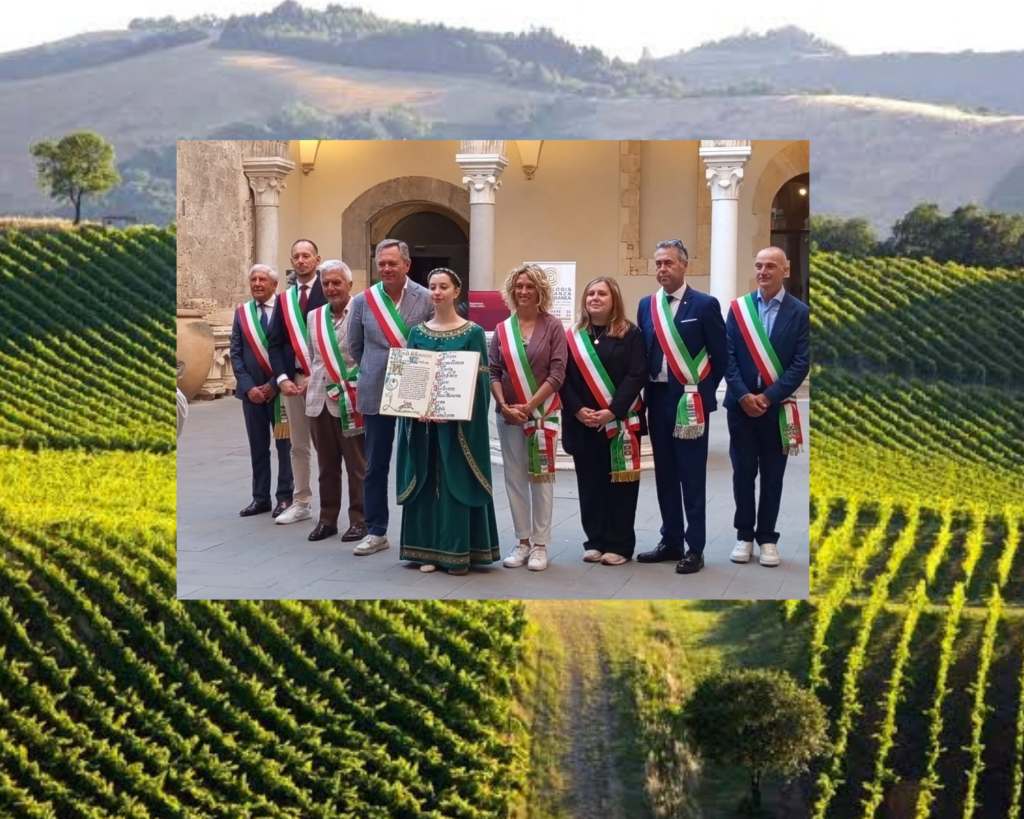
Italy is taking wine tourism beyond the cellar door and placing it firmly within national agricultural and regional development policy.
The Italian government has introduced a new national framework supporting wine tourism in the country’s wine-producing regions, linking the reputation of Italian wine more directly with the landscapes, culture, hospitality and communities where it is produced.
The initiative forms part of Italy’s implementation of the European Union’s reformed wine-sector measures under the Common Agricultural Policy (CAP).
Under the new framework, eligible organizations, including wine protection consortia, producer organizations and interprofessional groups, can receive support for activities designed to strengthen wine tourism and promote individual wine territories.
These can include vineyard and winery visits, regional events, meetings and promotional activities, while the 2026/27 framework also allows support for Wine Roads and digital tools designed to promote and help visitors plan wine routes.
Importantly, Italy’s regional authorities will determine whether to activate the measure within their territories and how available funding will be implemented.
From Wine Promotion to Destination Development
The significance of the initiative extends beyond wine marketing.
Italy is effectively recognizing wine tourism as a tool for Territorial Development connecting wineries with hospitality, gastronomy, culture, landscapes and rural communities.
Italian Agriculture Minister Francesco Lollobrigida said the initiative is intended to strengthen both the reputation of Italian wine and the growth of the territories where it is produced, while promoting Italy’s quality products, landscapes, culture, hospitality and traditions.
This represents an important evolution in how governments view wine tourism.
Rather than leaving tourism development entirely to individual wineries or regional tourism organizations, Italy is creating a national framework capable of supporting coordinated experiences across wine-producing territories.
Wine Roads are particularly important in this context. When properly developed, they can encourage visitors to travel beyond individual wineries, stay longer in a region and spend across accommodation, restaurants, transportation, local producers and cultural attractions.
A Model for Other Wine Countries?
At a time when many traditional wine regions are facing declining wine consumption, changing consumer behaviour and economic pressures in rural communities, Italy’s approach could have implications well beyond its borders.
Wine tourism provides something wine exports alone cannot: the economic value remains within the destination.
A visitor who travels to a wine region does more than purchase a bottle. They may stay in a hotel, dine in local restaurants, visit cultural attractions, hire guides, purchase regional products and explore neighbouring communities.
Italy’s new framework therefore raises a much larger question for the global wine industry:
Should wine tourism now be considered part of national wine policy rather than simply an extension of winery hospitality?
Italy appears to be moving decisively in that direction.
Sources:
Italian Ministry of Agriculture, Food Sovereignty and Forests (MASAF); Vinetur