
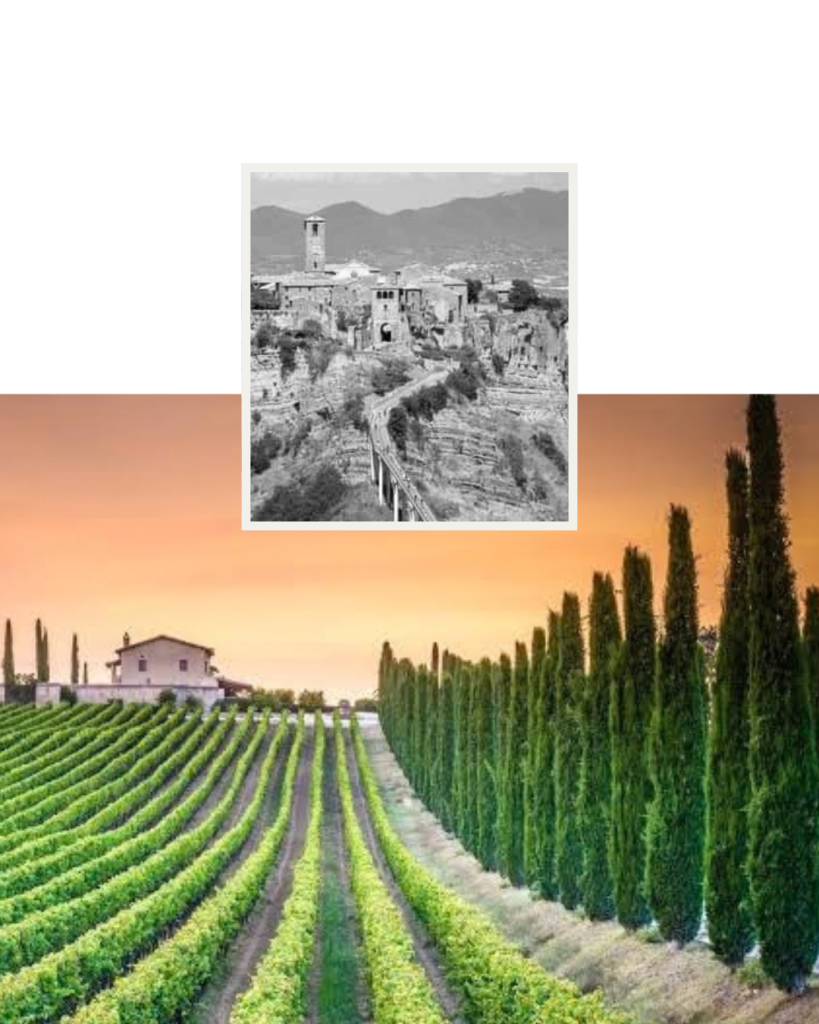
Umbria has the vineyards, medieval hill towns, gastronomy and cultural heritage of a major Italian wine destination. Now is looking at how wine tourism can play a greater role in attracting international travellers and generating economic value across its rural communities.
A recent high-level discussion in Montefalco brought together wine producers, regional representatives, researchers and industry leaders to examine a central question: Can wine become a stronger driver of tourism and territorial development in Umbria?
Organized by Coldiretti Umbria under the theme “The Value of Wine: Economy, Territory, Quality. What Future?”, the discussion comes at an important moment for the region. Umbria has approximately 13,000 hectares of vineyards, producing around 500,000 hectolitres of wine annually. Its wine landscape includes 13 DOCs, two DOCGs and six IGTs, according to regional and industry sources.
Among its best-known wine territories are Montefalco, home of Montefalco Sagrantino DOCG, and Torgiano, associated with Torgiano Rosso Riserva DOCG. Other wine areas extend through Orvieto, Trasimeno, Spoleto, Todi and Assisi.
Yet compared with neighbouring Tuscany, Umbria remains relatively under-the-radar among many international wine travellers.
That may be precisely where the opportunity lies.
From Wine Region to Wine Destination
Umbria already possesses many of the components today’s wine traveller is seeking historic wineries, indigenous grape varieties, medieval villages, distinctive regional cuisine, olive oil, truffles, art, culture and landscapes that remain closely connected to agriculture.
The challenge is bringing these individual assets together into a compelling international destination proposition.
Montefalco provides a useful example. Its annual Enologica Montefalco – Abbinamenti, held this year from September 18–20, expanded the traditional wine event into a broader visitor experience incorporating winery visits, guided tastings, gastronomy, art, music, workshops and sunset experiences across the surrounding landscape.
Umbria also has established wine routes, including the Strada del Sagrantino, connecting Montefalco with Bevagna, Castel Ritaldi, Giano dell’Umbria and Gualdo Cattaneo.
These routes can do more than connect wineries. Properly developed, they can encourage visitors to stay longer, travel through smaller communities and spend across accommodation, restaurants, transportation, local food producers, cultural attractions and other rural businesses.
An Opportunity Beyond Umbria
The implications extend well beyond central Italy.
Across Europe, major destinations continue to confront questions surrounding visitor concentration and how tourism spending can be dispersed more effectively into rural areas and lesser-known communities.
Wine tourism provides one possible solution.
Rather than competing directly with Europe’s most established destinations, emerging and less-saturated wine regions can use wine, gastronomy and local culture as gateways into the wider destination.
For Umbria, that means wine tourism does not have to be simply about attracting more visitors to wineries. It can become part of a broader strategy for strengthening international awareness of the region itself.
Italy’s “Green Heart” already has the raw materials.
The next step is connecting its wines, people, villages, gastronomy and landscapes into a stronger international story and giving travellers a reason not simply to pass through Umbria, but to stay.
That may ultimately be wine tourism’s greatest value: transforming a wine region into a destination.
Sources:
Italian Food / CFOOD
Wine Tourism: Umbria Is Banking on New International Tourism Routes
Regione Umbria – Wine Denominations
Consorzio Tutela Vini Montefalco
Italia.it — Italian National Tourist Board