Pre–New Year’s Dinner: Why Louis Roederer Collection 245 and Cristal 2016 Redefine Celebration


Some evenings feel like prologues. The eve before New Year’s Eve is one of them, less noise, more contemplation. It’s the space where conversation deepens, and Champagne becomes less of a party trick and more of an essay in liquid form.

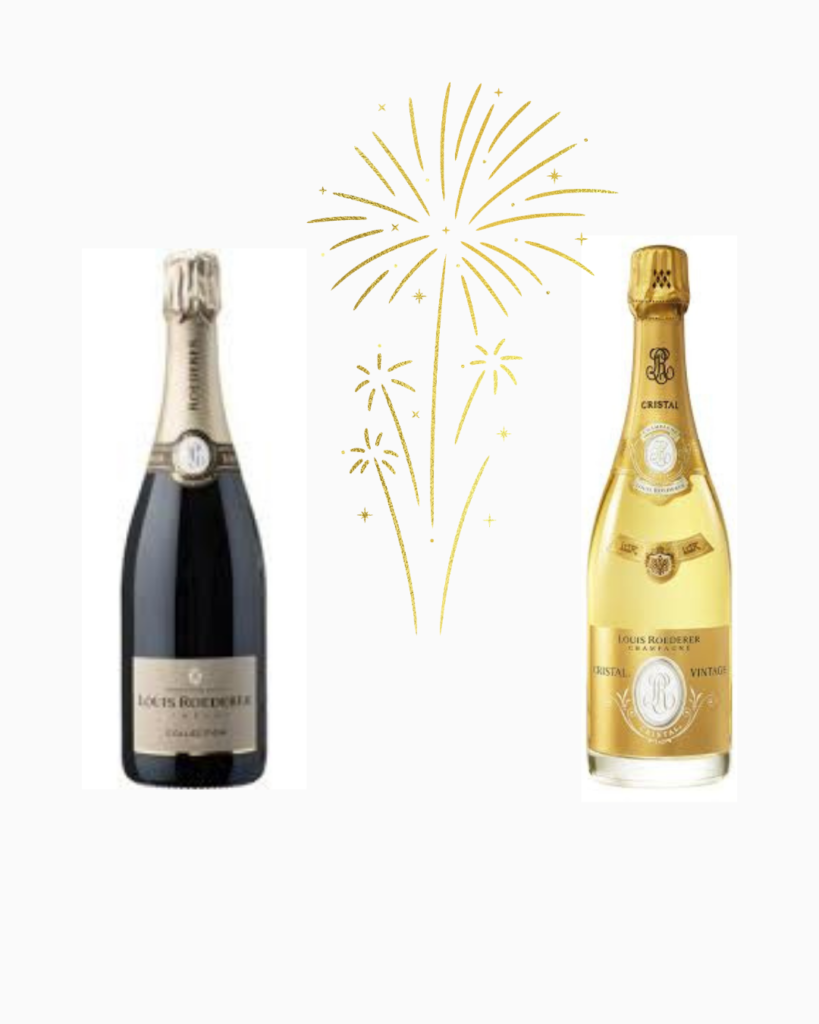
This year, my pre–New Year’s dinner is guided by the ethos of Louis Roederer: discipline in the vineyard, patience in the cellar, and a refusal to perform theatrics for their own sake. To explore that ethos at the table, I’ve chosen two Champagne classics whose architecture and restraint echo this sensibility: Louis Roederer Collection 245 and Louis Roederer Cristal 2016.

The House: Louis Roederer Precision as Philosophy

Founded in 1833 and based in Reims, Louis Roederer evolved from a respectable maison into one of Champagne’s most quietly rigorous estates. By the mid-19th century, Roederer did something radical for the time: it began purchasing vineyards rather than relying solely on growers. Controlling fruit quality became a long game, not an annual negotiation.

Today, the estate owns almost 250 hectares, with an increasing emphasis on organic and biodynamic practices. This underpins the house’s unmistakable personality: depth without heaviness, tension without austerity, and a calm, almost meditative finish.

Wine Tourism: Less Spectacle, More Insight

Visiting Roederer isn’t about neon-lit cellars and selfies with sabres. Experiences tend to privilege understanding over spectacle.

The estate provides guided vineyard walks, cellar visits, and tastings that unpack:

  • The role of reserve wines
  • The quiet architecture of blending
  • How climate change is reshaping decisions in real time

These experiences feel more like seminars than shows – the kind of visit that leaves your notebook full and your mind happily buzzing.

On the Table with Roederer’s Spirit

Louis Roederer Collection 245

This is Roederer’s perpetual-reserve concept in motion – perfect rhythm and balance. In the glass, the bubbles are fine and controlled. Aromatically, there are hints of ripe pear, Golden Delicious apple, lemon zest, and a faint line of brioche. There’s a saline whisper running underneath. On the palate, it moves with precision: orchard fruit, a touch of almond, subtle creaminess, and a clean, linear finish that leaves a chalk-dust memory.

Pairing for our pre–New Year’s dinner

This is the “conversation starter” wine. I paired this wine with oysters, with a light mignonette, and scallop carpaccio – dishes that respect the structure without overpowering it.

Louis Roederer Cristal 2016

The 2016 is sculpted: luminous citrus, white peach, subtle apricot skin, and that crystalline chalk character that defines Roederer’s grandest vineyards. There’s also a hint of hazelnut and delicate pastry, sitting quietly behind the mineral spine. The palate feels both weightless and deep, with a long, resonant finish. That’s power.

Pairing for a pre–New Year’s dinner

This wine was served later in the progression. I paired it with butter-poached lobster and roast capon with thyme and lemon. Perfection.

Why Louis Roederer Collection 245 and Louis Roederer Cristal 2016 Before New Year’s?

Because the night before the noise deserves reflection. Louis Roederer’s philosophy grounds the evening – time and patience.

And as the calendar inches toward midnight the next day, this pre-new year’s dinner became a quiet rehearsal, acknowledging change -reviewing the year before we write the next chapter.

Champagne Deutz: A Holiday Standard

Nestled in the premier cru village of Aÿ, in the historic Champagne region of northeastern France, Maison Deutz occupies a place in the pantheon of classic Champagne houses that feels both rooted and unexpectedly electric. Founded in 1838 by William Deutz and Pierre-Hubert Geldermann, this house emerged from the great era of négociant ambition, carving out a reputation for finesse and stylistic consistency that has endured for nearly two centuries.

Location and Tourism

Aÿ sits like a jewelled hub just west of Épernay, think of it as Champagne’s scholarly precinct, where chalky soils and Pinot Noir harmonize across the landscape. Tourists, sommeliers, and curious travellers come here to explore terroir and technique. Tasting experiences in the Deutz cellars are examinations in slow maturation: centuries-old chalk caves that feel like cathedral crypts dedicated to bubbles, each bottle a lesson in time, texture, and terroir. Visiting Champagne Deutz is an immersion in the geography and geology of effervescent elegance.

Acquired in the late 20th century by the Rouzaud family, custodians of Louis Roederer, Deutz has blended its legacy with renewed vigour while preserving traditional techniques. The house today balances respect for its heritage with an eye toward how modern palates approach complexity, balance, and pleasure.

Champagne Deutz stands as a living museum of viticultural tradition: chalk labyrinths, vineyard tours through storied parcels of premier and grand cru, and tastings that pair textbook technique with experiential delight.

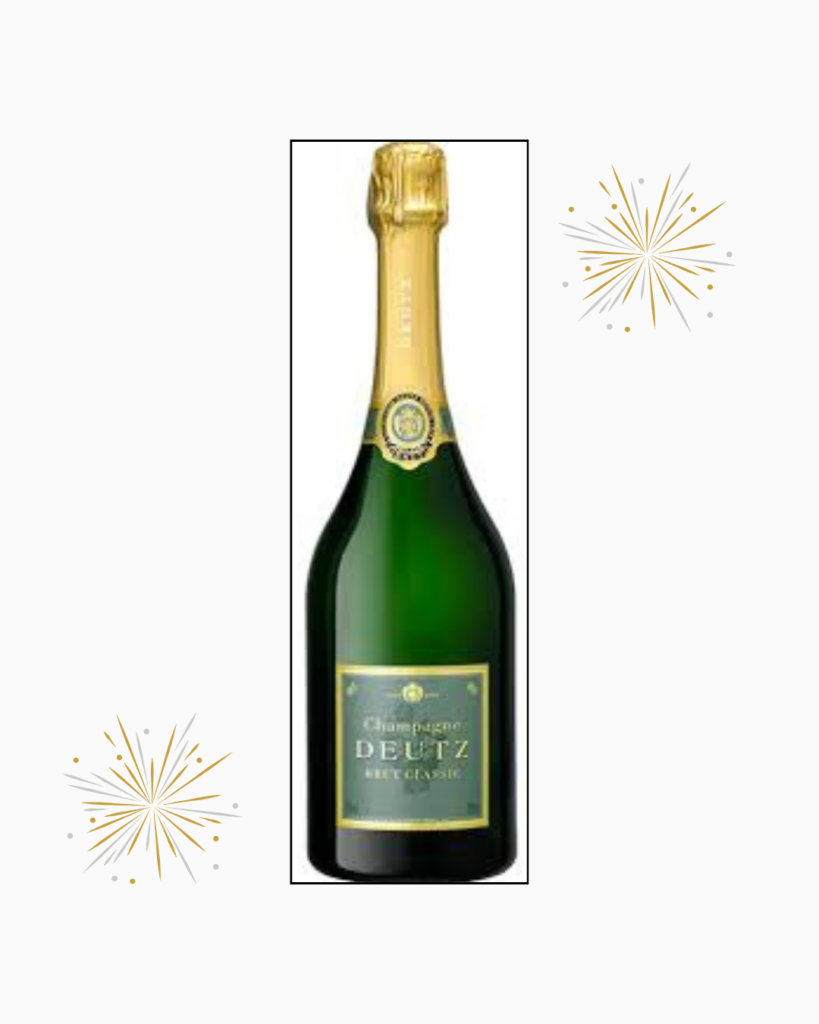
Celebrate the Holidays with Deutz Classic Brut

If you gravitate toward Champagnes that feel both classic and stimulating, not loud, simply intellectually stylish, Deutz Classic Brut is for you. This non-vintage blend is built on a near-perfect equilateral triangle of Chardonnay, Pinot Noir, and Pinot Meunier, each contributing about a third of the whole. Around 20–40% reserve wines are folded into the blend to maintain house consistency and depth year after year, an oenological time capsule that speaks to complexity without pomp.

Deutz Classic Brut: Tasting Notes

In the glass, it shows a deep golden hue with an ultra-fine mousse, the effervescent whisper synonymous with long cellar ageing. On the nose, it reveals delicate white florals offset by richer aromas of toasted brioche, marzipan, and ripe pear.

The palate brings crisp freshness from Chardonnay, wrapped in the supple richness that Pinot Noir provides so well. Integrated fruit notes lean toward apple and pear, with hints of citrus and an underlying mineral clarity. The finish lingers with textured elegance.

Why Champagne Deutz?

Drinking Deutz Classic Brut during the holidays is like revisiting a trusted chapter in a favourite book: it brings comfort, stylistic integrity, and small surprises with every sip. This is the Champagne that feels like a warm toast among old friends and new ideas, a bottle that honours the past while sparkling fully in the present.

Why Meukow Cognac Defines the Season

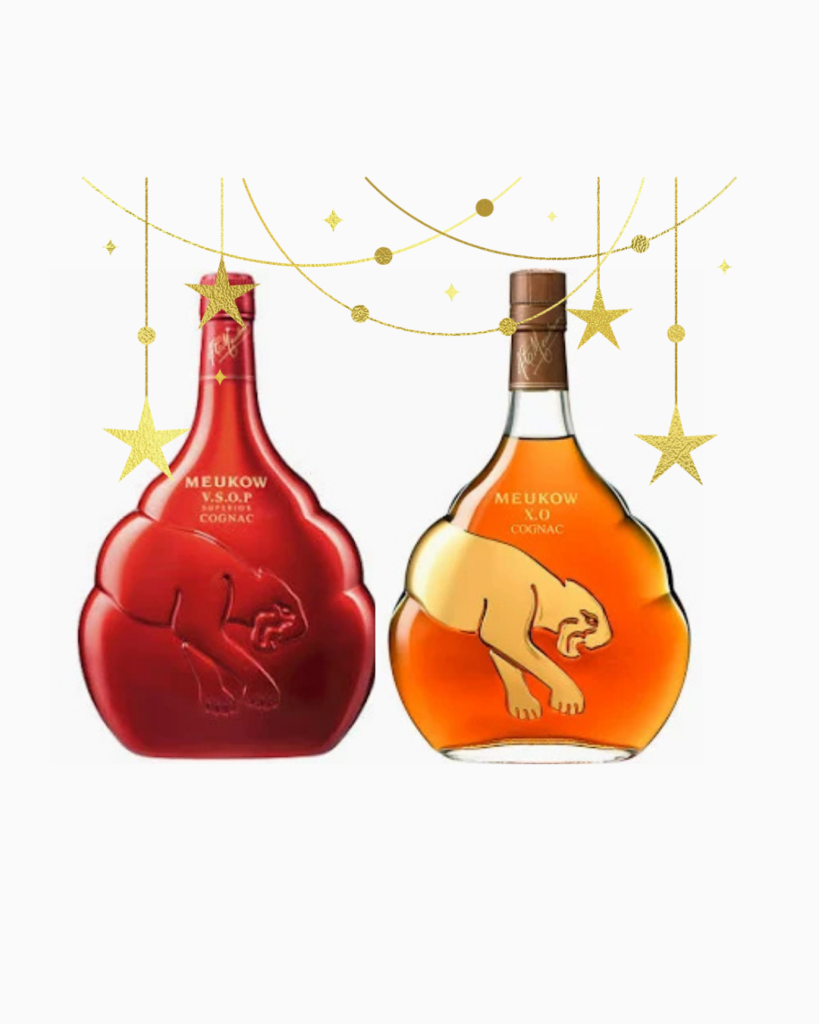
The holiday period invites reflection, hospitality, and the quiet continuity of tradition. Selecting a spirit for this time of year is less about simple preference than about heritage, craftsmanship, and the sense of occasion a bottle brings to the table. Two expressions from Meukow: the Meukow Feline VSOP, and a thoughtfully curated Meukow XO pairing experience, capture these dimensions with clarity.

Together, they articulate different modes of celebration: the VSOP offers warmth, accessibility, and elegance; the XO introduces depth, patience, and an almost meditative pause between courses, conversations, and the turning of the year.

A Short History of Meukow

Meukow’s origins trace to 1862, when brothers Auguste-Christophe and Gustav Meukow were sent to the Charente by Tsar Alexander II to secure high-quality eaux-de-vie. Recognizing the potential of the region, they founded A.C. Meukow & Co. in Cognac, establishing a house that would steadily build an international reputation.

In 1979, the brand joined Compagnie de Guyenne, a family-owned group whose stewardship broadened distribution while preserving continuity and identity. The panther emblem, introduced in the 1990s, has since become synonymous with Meukow, signalling power, refinement, and a supple aesthetic. Today, the house is present in more than 80 markets worldwide.

Location and Wine Tourism

Meukow is based at 26 rue Pascal Combeau, in the historic center of Cognac. The visitor experience integrates architectural heritage with contemporary multimedia interpretation. Throughout 2025, guests can join a guided, 45-minute tour that includes the Chai Paradis, home to treasured eaux-de-vie, and concludes with a structured tasting of three expressions.

Chai Meukow, a former warehouse transformed into a gastronomic venue, extends the visit with cuisine by Chef Cédric Coulaut, designed specifically to interact with the house’s spirits. The result is an immersive encounter that combines pedagogy, hospitality, and gastronomy in a way that feels both rooted and forward-looking.

I’ve been lucky to experience both the tour and cooking with the chief, which was an extraordinary experience!

Tasting: Meukow Feline VSOP

The VSOP blend, aged beyond the category minimum, shows balance and precision.

Nose: candied orange, plum, apple, subtle florals, and gentle spice.
Palate: supple texture with caramel, vanilla, dried fruit, and faint leather, lifted by citrus.
Finish: smooth, persistent, lightly spiced oak.

It performs beautifully on its own and pairs especially well with nut-based desserts or aged cheeses. Its familiarity, nuance, and quiet grace make it particularly suited to holiday gatherings.

Elevating the Table: Meukow XO

In contrast, Meukow’s XO, drawn from older eaux-de-vie, offers layered complexity and a slower rhythm. The category requires significant aging, and here it reveals aromas of dark chocolate, orange confit, toasted almond, and molasses, followed by a silk-textured palate and a long, warming finish.

Suggested pairings include:

• Bûche de Noël with dark chocolate
• Duck braised with cherry reduction
• Blue cheese with a touch of honey

The XO functions not simply as dessert, but as an elegant digestif; contemplative, resonant, and understated.

Taken together, the Feline VSOP and the XO trace the emotional arc of the season. The VSOP offers welcome and conviviality. The XO invites reflection and closure. Both honour Meukow’s history while framing the holidays with restraint, depth, and continuity, qualities that feel especially right at this time of year.

Why Zenato’s Amarone 2019 and Zenato’s Lugana Brut Make the Perfect Holiday Wine Pairing

Why I Chose Zenato’s Holiday Gift Pack

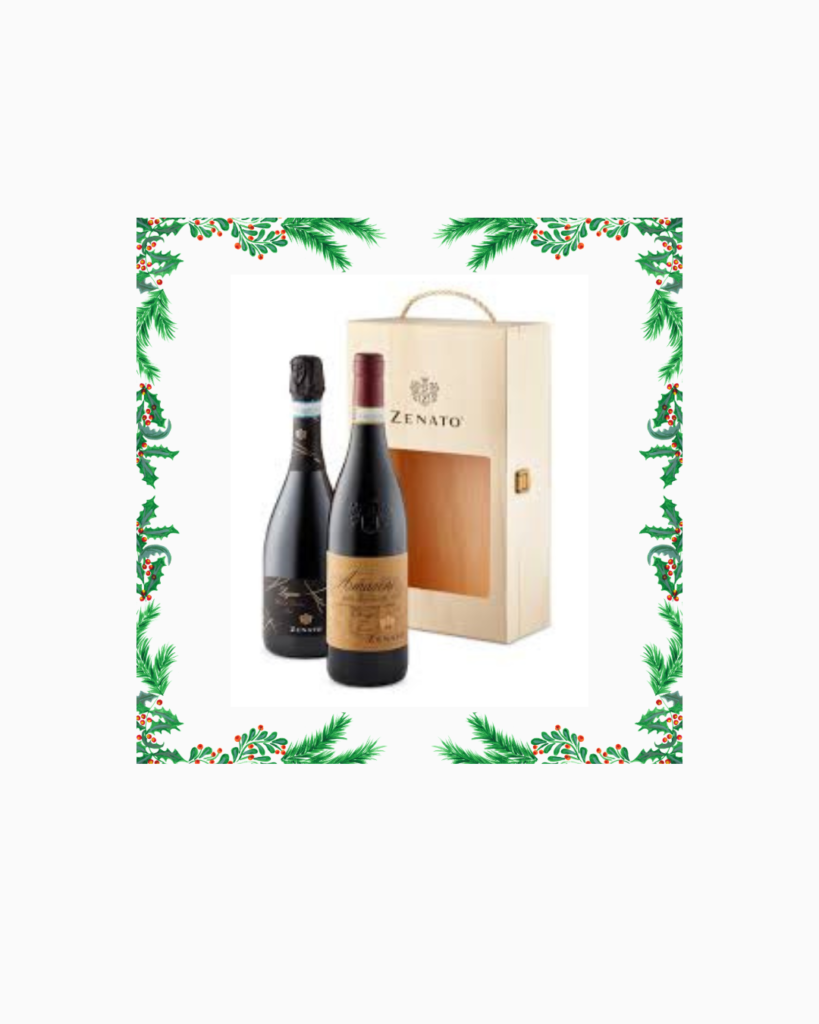
Holiday wine choices need range, not redundancy. Zenato’s two-bottle holiday gift pack, which includes Zenato Amarone della Valpolicella Classico 2019 and Zenato Lugana Brut Classico, delivers that: a refined sparkling white for celebratory openings and a powerful, age-worthy red for the table’s main event.

Lugana Brut Classico brings freshness, finesse, and aperitivo appeal, while Amarone della Valpolicella Classico 2019 offers depth, warmth, and long-form pleasure. Together, they cover the full arc of the holiday season, from first toast to final pour, making this pairing both practical and elevated.

Roots + Terroir

Zenato was founded in 1960 by Sergio Zenato and his wife Carla on the southern shore of Lake Garda, in the village of San Benedetto di Lugana.

From modest beginnings, the estate expanded steadily over the decades. Today, Zenato owns approximately 95 hectares across two key sites: the Santa Cristina estate in Lugana, devoted primarily to the indigenous white grape Trebbiano di Lugana, and the Costalunga estate in the hills of Sant’Ambrogio di Valpolicella, located within the Valpolicella Classico zone, where soils are rich in limestone and clay and distinctly mineral-driven.

This dual identity lies at the heart of Zenato’s philosophy: “The soul of Lugana and the heart of Valpolicella.”

The vineyards benefit from the moderating influence of Lake Garda for white wines, while the varied, elevated terrain of the Valpolicella hills provides ideal growing conditions for red varieties, contributing both structure and complexity.

Under the stewardship of Sergio’s children: Alberto Zenato, who manages production, and Nadia Zenato, who oversees sales and marketing, the estate has refined and expanded its portfolio, blending respect for tradition with modern winemaking precision.

Zenato stands among the most recognized family-owned estates in northern Italy, offering a range that spans crisp whites and sparkling Lugana to structured Ripasso and opulent Amarone, embodying both regional heritage and strong international appeal.

Wine Tourism

Zenato offers winery tours and tastings from San Benedetto, an ideal setting for wine tourism, combining lakeside ambience, vineyard tradition, and easy access from Verona.

With its dual terroirs, Lugana and Valpolicella, visitors can experience two distinct expressions of Veneto wines: refined sparkling and still whites from the lake region, and serious, age-worthy reds from the hills.

As global interest in Italian native grape varieties and sustainable, terroir-driven wines continues to grow, particularly among wine travellers and influencers, Zenato’s long history, regional focus, and family-run authenticity provide a compelling and credible narrative.

Tasting Notes + Holiday Pairings

Zenato Lugana Brut Classico

This wine is made from 100% Trebbiano di Lugana (Turbiana), sourced from lakeshore vineyards.

Tasting Notes:

Fine perlage and an elegant mousse. The colour is pale straw-yellow with subtle golden highlights. On the nose, the wine is bright and clean, showing notes of white flowers, green apple, pear, citrus, a hint of soft stone fruit, and delicate biscuity nuances. On the palate, it is vibrant, with a soft, pleasant mousse and a mineral-tinged finish.

Food Pairing:

Seafood, shellfish, light seafood pasta, and sushi. An excellent aperitivo for the holiday season.

Zenato Amarone della Valpolicella Classico 2019

Zenato’s flagship red is crafted from a selection of Corvina, Rondinella, Oseleta, and a small proportion of Croatina, sourced from vineyards in Sant’Ambrogio. The grapes are dried for approximately four months, pressed in January, and undergo slow fermentation with extended skin contact. The wine is aged for 36 months in large-format Slavonian oak casks, followed by further refinement in bottle prior to release.

This meticulous process results in a complex, full-bodied, and age-worthy wine that stands as a classic expression of Amarone della Valpolicella.

Tasting Notes:

On the nose, the wine is elegant and spicy, with aromas of dark cherries, prunes, and dried fruits, layered with warm spice undertones. On the palate, it is full-bodied, rounded, velvety, and enveloping, offering layers of dark plum, cherry, and cocoa, with a long, lingering finish.

Food Pairing:

This rich Amarone pairs beautifully with grilled or roasted meats, hearty pasta dishes with meat sauces, game, aged cheeses, and rich risottos. It is also excellent as a contemplative “meditation wine” on its own.

Final Perspective

Zenato serves as a strong model for what a mid-century regional winery can evolve into: a producer that successfully balances tradition with modern marketing, local identity with global reach, and focused vineyard expression with diversified terroir experiences – appealing equally to seasoned connoisseurs and the next generation of curious wine travellers.

Why Bottega has earned a place on my holiday table

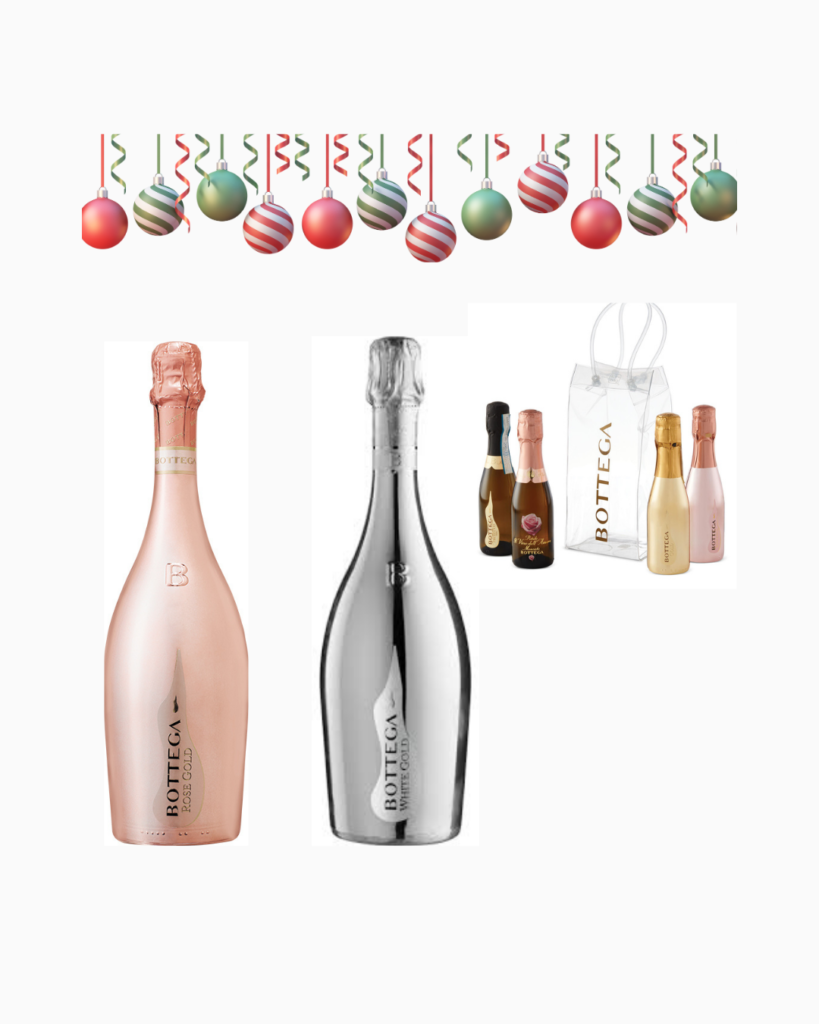
When I curate my holiday sparkling wine selections, I look for producers that balance heritage with contemporary relevance, wines that perform beautifully in the glass, and brands that understand today’s global wine culture – where aesthetics, accessibility, and experience matter as much as craftsmanship. Bottega S.p.A. consistently delivers on all three. Its sparkling wines combine technical precision with visual presence, making them equally compelling for holiday celebrations, intimate gatherings, and gifting. This year, Bottega Rose Gold Brut, Bottega White Gold Venezia, and the Bottega Mini Sparkling Icebag Set stood out for their versatility, polish, and unmistakable sense of occasion – exactly what the holiday season calls for.

Location & Estate Philosophy

Bottega’s main operations are located in Bibano di Godega, near Venice, at the heart of the Prosecco DOC area. Family-owned vineyards remain central to production, anchoring the brand firmly in its Veneto roots.

The estate is surrounded by vineyards and olive groves, set against the gently rolling hills of northern Veneto. It includes:

Vineyards in the Prosecco DOC and DOCG zones, supporting Bottega’s flagship Glera-based sparkling wines

Distillation facilities, reflecting the family’s long-standing expertise in grappa and liqueurs

Ornamental gardens and rural architecture, expressing Bottega’s philosophy of Italian style, sustainability, and aesthetic harmony

Bottega: Venetian Sparkle, Global Ambition, and Wine Tourism

In a region where history clings to the landscape as richly as the wines themselves, Bottega S.p.A. has carved out a distinctly modern identity. While many northern Italian producers lean heavily on medium aevum origins, Bottega’s rise is decisively contemporary.

Instantly recognizable worldwide, Bottega has become synonymous not only with quality sparkling wine, but with its iconic metallic bottles: gold, rose-gold, platinum, and white, designed to capture attention in an increasingly visual wine culture. Distributed in over 150 countries, the brand stands today as one of Italy’s most visible ambassadors of Italian sparkling wine and contemporary lifestyle branding.

Tasting Notes and Pairing

Bottega Rose Gold Brut

Crafted from Pinot Noir, this wine opens with an expressive bouquet of mixed berries, currants, and wild strawberries, layered with delicate floral notes.

On the palate, it is fresh, supple, and finely structured, offering vibrant red fruit flavours supported by balanced acidity and a refined, persistent finish.

It is perfect as an aperitif and pairs effortlessly with vegetarian and fish-based dishes, sushi, and crudités, while also complementing white meats, soft or aged cheeses, and light, fruit-forward desserts. This is a sparkling wine designed for celebration without compromise.

Bottega White Gold Venezia

This wine offers a more linear, mineral-driven expression, wrapped in a polished white-metal bottle that signals elegance before the cork is even pulled. Aromatically, it leans toward white flowers, citrus zest, subtle mineral notes, and a delicate brioche nuance.

The palate is precise and structured, with bright acidity and flavours of lemon curd, green apple, chalk, and delicate pastry notes.

This wine shines as an aperitif and pairs beautifully with seafood, shellfish, risotto, grilled fish, and lighter poultry dishes. Its freshness and restraint make it a sophisticated choice for extended holiday meals and refined entertaining.

Bottega Mini Sparkling Icebag Set

The Bottega Mini Sparkling Icebag Set, featuring Gold, Rose Gold, Vino dei Poeti Prosecco, and Petalo Moscato, represents one of Bottega’s most successful modern innovations. These mini bottles are chic, portable, and impeccably styled, perfectly aligned with contemporary gifting and entertaining trends, making them ideal hostess gifts.

Wine Tourism in 2025

Bottega’s hospitality and tourism initiatives reflect broader shifts shaping global wine tourism in 2025, where immersive storytelling, design-forward spaces, and cultural engagement now define luxury.

Experiences include:

Guided winery tours exploring sparkling wine production, distillation heritage, and vineyard landscapes

The “Bottega Wine & Art” concept, where curated art installations position the winery as a cultural destination blending wine, design, and craftsmanship

Gastronomic tastings and pairings rooted in Veneto’s culinary identity, featuring local cheeses, seafood, and seasonal specialties

High-visibility travel retail experiences extending wine tourism into airports, cruise lines, and luxury hotels worldwide

Bottega in 2025: A Sparkling Holiday Essential

As sparkling wine continues its global rise and wine tourism evolves into a fully immersive lifestyle experience, Bottega S.p.A. occupies a compelling space between tradition and modernity. Its wines offer freshness and precision, its bottles deliver undeniable theatre, and its Venetian-rooted identity provides authenticity. For the holidays and into 2026, Bottega proves that bubbles, substance, and style can exist in perfect balance.