Global tourism surges ahead: record arrivals in the first nine months of 2025

International tourist arrivals grew 5% in January through to September 2025 compared to the same period in 2024 and 3% above the pre-pandemic year 2019.

According to the latest edition of the World Tourism Barometer, over 1.1 billion tourists travelled internationally between January and September this year, about 50 million more than in the same period of 2024.

Results reflect sustained travel demand throughout the year despite high inflation in tourism services and mixed traveller confidence due to geopolitical and trade tensions. The third quarter saw a 4% increase over 2024 with a strong Northern Hemisphere summer season.

UN Tourism Secretary-General Zurab Pololikashvili states: “International tourism has continued to experience sustained growth so far in 2025 in terms of international arrivals and most importantly in receipts, despite high inflation in tourism services and geopolitical tensions. Africa and Europe in particular stand out for their results.”

International tourism has continued to experience sustained growth so far in 2025 in terms of international arrivals and, most importantly, in receipts, despite high inflation in tourism services and geopolitical tensions

Africa continues to see the strongest performance among regions

The latest World Tourism Barometer analyzes international tourism over the first nine months of 2025 by region and sub-region. Key takeaways include:

Africa saw a 10% increase in arrivals through September, according to limited available data. Both North Africa (+11%) and Sub-Saharan Africa (+10%) recorded double-digit growth in arrivals.

Europe, the world’s largest destination region, saw 625 million international tourists between January and September 2025, a 4% increase from the same months in 2024. All European subregions enjoyed solid results during the third quarter, reflecting a strong summer season. Western Europe (+5%) and Southern Mediterranean Europe (+3%) saw robust performance, while Northern Europe (-1%) recorded more modest results. Central and Eastern Europe continued to rebound strongly (+8%), though arrivals remained 11% below 2019 levels.

The Americas recorded 2% growth this period, with a 3% increase in Q1 and Q2 but a slight drop in Q3 (-1%). Results among subregions were mixed. South America (+9%) enjoyed the best performance, despite a flat third quarter. North America (-1%) saw weaker results, partly due to small declines in the United States and Canada. Arrivals in Central America increased 3% through September, while the Caribbean (+1%) recorded comparatively more modest growth.

Arrivals in the Middle East grew 2% in January-September compared to the same period in 2024. This represents 33% more arrivals than in 2019, the strongest regional results relative to the pre-pandemic year.

Arrivals in Asia and the Pacific grew 8% in the first nine months of 2025, reaching 90% of pre-pandemic numbers (-10% compared to January-September 2019) as the region continues to recover. North-East Asia stood out with a 17% increase in arrivals relative to 2024 but remained 12% below 2019 levels.

Some of the highest growth rates in arrivals in January-September 2025 were recorded in Brazil (+45% versus 2024), Vietnam and Egypt (both +21%), as well as Ethiopia and Japan (both +18%). South Africa reported 17% growth, Sri Lanka and Mongolia both 16%, and Morocco 14%. All of these destinations have already surpassed 2019 levels.

According to IATA, international air traffic (RPKs) grew 7% in January-September 2025 versus the same months of 2024. International air capacity (ASKs) increased 6% in these nine months. Global occupancy in accommodation establishments reached 68% in September 2025, matching the rate of September 2024 (based on STR data).

Strong visitor spending across most destinations

Monthly data on international tourism receipts show strong visitor spending in several destinations through September 2025. Japan (+21%), Nicaragua (+19%), Egypt (+18%), Mongolia and Morocco (both +15%), Latvia (+13%), Brazil (+12%) and France (+9%) were among the best performers in terms of growth in receipts in the first nine months of 2025.

Strong demand can also be seen in outbound spending from some large markets such as the United States (+7% through August), France (+5%), Germany and Italy (both +4%), as well as Spain (+15% through August) and the Republic of Korea (+7%).

Results on track to reach projected growth for 2025, despite challenges

According to UN Tourism’s projection in January this year, international tourist arrivals are expected to grow 3% to 5% in 2025. While results through September are in line with UN Tourism’s forecast, factors such as high travel prices and a challenging geopolitical environment remain important downside risks.

The latest data confirms what destinations, airlines, and hospitality leaders have been sensing all year: global travel is not just recovering, it’s accelerating with remarkable strength. Rising arrivals across every region, combined with solid visitor spending and improving air capacity, show that tourism’s momentum is both broad and resilient. Despite inflationary pressures and geopolitical uncertainties, travellers continue to explore, connect, and invest in experiences at scale. As the industry heads into the final stretch of 2025, the outlook remains strongly positive. Tourism is proving once again that it is one of the world’s most adaptable sectors, shaping cultures, supporting economies, and moving confidently into a new era of growth.

SOURCE:  UN TOURISM

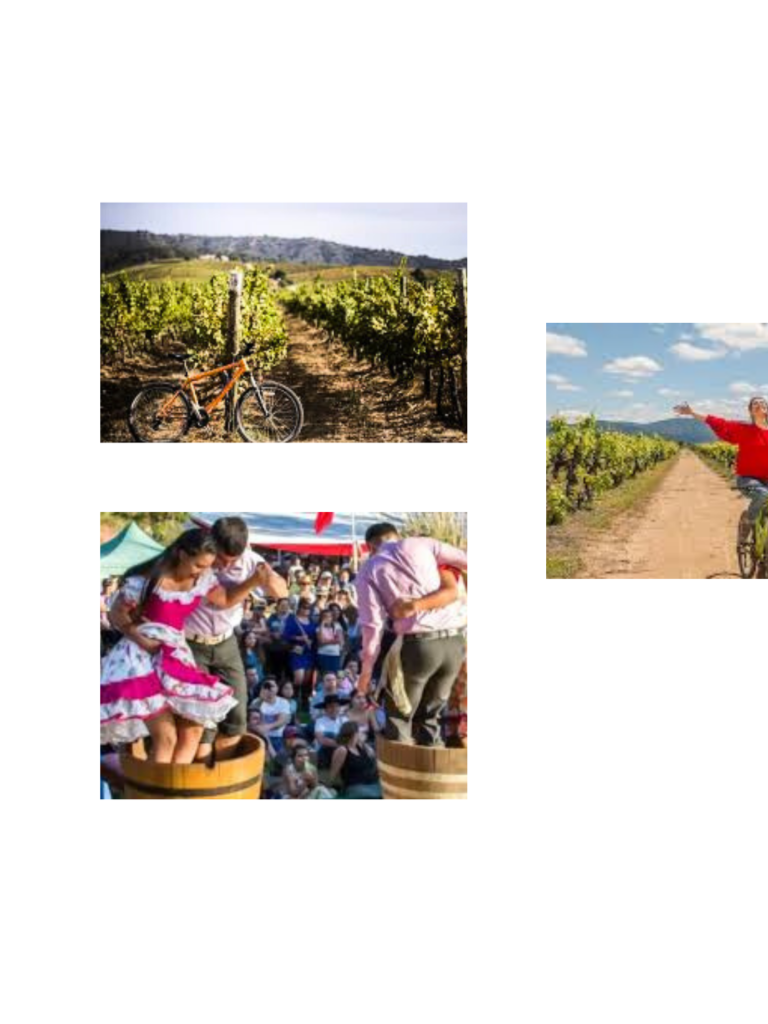
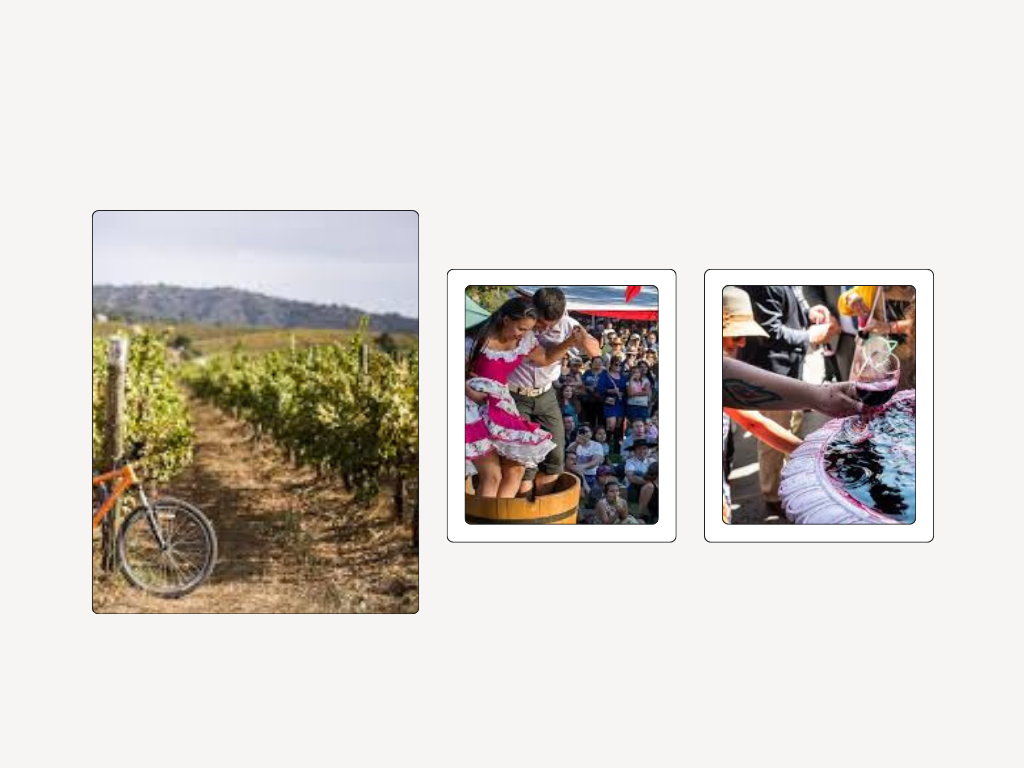
VIK, Chile, Named the World’s Best Vineyard 2025

The list of The World’s 50 Best Vineyards 2025 has been revealed at an awards ceremony in Margaret River, Western Australia, yesterday, with Vik (No.1), Millahue, Chile, named as The World’s Best Vineyard 2025. The list features vineyards from 15 destinations across six continents, with 11 new entries.

Vik succeeds the 2024 winner, Bodegas de los Herederos del Marqués de Riscal in Rioja, Spain, now part of the Hall of Fame. Vik is a pioneering winery and luxury hotel spanning a 4,450-hectare nature reserve, with 327 hectares of vineyards planted across 12 distinct microclimates. The winery combines sustainable viticulture with striking architecture.

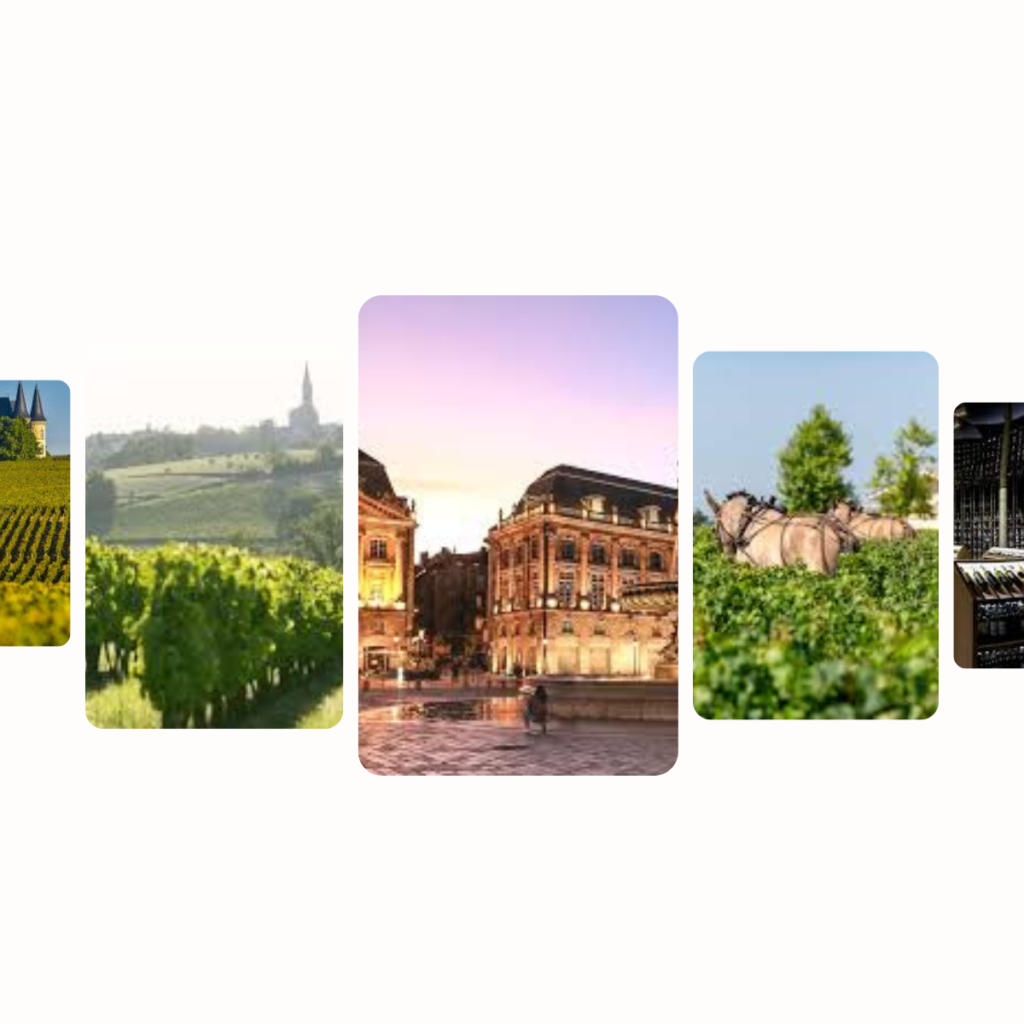
Schloss Johannisberg (No.2), Rheingau, Germany, is named the Best Vineyard in Europe, renowned as the world’s first Riesling winery, with over 1,200 years of winemaking heritage. Bodegas Ysios in Rioja, Spain, is ranked at No.3.

Klein Constantia Wine Estate (No.6), Western Cape, South Africa, is named the Best Vineyard in Africa and recipient of the Highest Climber Award, sponsored by Jack’s Creek, climbing 35 places since 2024.

Aperture Cellars (No.14) in Sonoma, USA, earns the Highest New Entry Award.

Highest Climber Award, sponsored by Jack’s Creek, goes to Klein Constantia Wine Estate (No.6), Western Cape, South Africa, also awarded The Best Vineyard in Africa.

The Best Vineyard in North America goes to Jordan Vineyard & Winery, Alexander Valley, USA (No.13), renowned for immersive experiences among rolling hills, olive groves and sustainable vineyards. 98Wines, Yamanashi, Japan, wins The Best Vineyard in Asia (No.20), offering a multisensory vineyard experience with views of Mt. Fuji.

The Best Vineyard in Australasia is awarded to Cloudy Bay Vineyards, Marlborough, New Zealand (No.26), a new entry in the list, while Aperture Cellars, Sonoma, USA, earns the Highest New Entry Award (No.14).

For the full list, see here: https://www.theworlds50best.com/stories/News/the-worlds-50-best-vineyards-2025-the-list.html

UN Tourism Appoints Shaikha Al Nowais as First Female Secretary-General

In a landmark decision that redefines the leadership narrative of international tourism, UN Tourism has officially confirmed Shaikha Al Nowais as its next Secretary-General. Ratified during the 26th General Assembly held in Riyadh, this appointment not only signals continuity in the Organization’s progressive vision but also marks a watershed moment. Al Nowais will become the first woman to lead the United Nations specialized agency for tourism in its 50-year history.

Assuming office at the start of 2026, Al Nowais brings with her a distinguished career in the private sector, most notably as Corporate Vice President of Rotana Hotels, where she played a pivotal role in expanding the brand’s global footprint. Her influence extends beyond corporate corridors. She currently chairs the Abu Dhabi Chamber’s Tourism Working Group. She also serves on the boards of the Abu Dhabi Businesswomen Council and Les Roches Hospitality Academy, reflecting her deep engagement with both business leadership and academic advancement within the tourism and hospitality sectors.

Addressing delegates at the Assembly, the Secretary-General-elect described her appointment as “a triumph for all of us”, underscoring that her leadership would embody the collective spirit and shared ambitions of a global sector at a turning point. She outlined five strategic priorities shaping her mandate: responsible tourism, capacity building, technology for good, innovative financing, and smart governance. Together, these themes reflect a vision that integrates inclusivity, resilience, and ethical stewardship into the fabric of tourism governance.

Al Nowais emphasized that the future of tourism must be “human-centred and globally connected,” capable of uplifting communities while addressing the twin imperatives of sustainability and innovation. Her remarks resonated with ongoing discussions at the Assembly, where Member States reinforced commitments to tourism as a catalyst for social and economic regeneration.

Paying tribute to outgoing Secretary-General Zurab Pololikashvili, Al Nowais commended his “vision, commitment, and role in strengthening UN Tourism’s voice and global presence.” Under his tenure, the Organization advanced critical work on investment, education, and innovation, foundations that Al Nowais is poised to expand upon as she assumes leadership for the 2026–2030 term.

The appointment of Shaikha Al Nowais was the focal point of a dynamic opening day at the General Assembly, which gathered representatives from 160 Member States for four plenary sessions and multiple committee meetings. The Assembly followed the 124th session of the UN Tourism Executive Council, where discussions centred on strengthening partnerships, deepening investment frameworks, and fostering equitable opportunities across the global tourism ecosystem.

Shaikha Al Nowais’s leadership marks not only a symbolic but also a substantive breakthrough, redefining how tourism’s global governance can serve as an engine of progress, inclusion, and cultural understanding.

Global Wine Tourism Spotlight: The World’s 50 Best Vineyards Reveals the 51–100 List for 2025

The World’s 50 Best Vineyards has unveiled its much-anticipated 51–100 list for 2025, setting the stage for the grand awards ceremony in Margaret River, Western Australia, on November 19. This extended ranking celebrates the most inspiring vineyard experiences across the globe, from Portugal’s dramatic Douro Valley to the sun-drenched hills of Marlborough, New Zealand. Recognized for their exceptional wine tourism, craftsmanship, and sense of place, these vineyards represent the pinnacle of destination wine culture, as voted by over 700 international experts, including leading sommeliers, journalists, and wine tourism specialists.

The 51-100 list includes vineyards from six continents and 38 wine regions. There are 18 new entries from 17 regions, from Champagne, France, to Tokaj, Hungary, with 33 entries from Europe, six from South America, five from Oceania, four from Africa, one from Asia and one from North America. The highest new entry is Wairau River Wines in Marlborough, New Zealand (No.52).

Europe gained 11 new entries in the 51-100 list, with three from Italy. Vineyards in Portugal take eight spots, the most out of any country, with the Douro Valley claiming six of these. Spain gains three vineyards in the list with a new entry from Bodegas Arzuaga in Ribera del Duero (No.64). The UK sees a new entry with Leonardslee Family Vineyards in Sussex (No.56). In Hungary, Tokaj-Hétszőlő Organic Vineyards (No.58) makes its debut and the first vineyard from Kakheti, Georgia enters the list with Château Buera (No.72).

South America celebrates one new entry with Sitio La Estocada (No.91) in Mendoza, Argentina. South Africa secures two new entries, with La Motte Wine Estate (No.94) and Hamilton Russell Vineyards (No.99). New Zealand welcomes three new entries with Wairau River Wines in Marlborough (No.52), Greystone Winery (No.89), and Felton Road in Central Otago (No.98).

Lebanon claims one entry on this year’s list with Chateau Kefraya (No.92), while the USA also attains a vineyard with Beringer Vineyards (No.88) in Napa Valley.

William Drew, Director of Content for The World’s 50 Best Vineyards, comments: “This year’s extended list is a vibrant showcase of excellence in global wine tourism, featuring vineyards across six continents. We’re thrilled to welcome new entries and recognize more world-class vineyards and the people behind them.”

Watch for the announcement of The World’s 50 Best Vineyards 2025 on the “50 Best” social channels on November 19.

The World’s 50 Best Vineyards Reveals 51–100 List: here 

The Return of Pink Chardonnay: A Lost Heir Rejoins Champagne’s Noble Lineage

Pink Chardonnay, officially recognized in the Champagne appellation since July 31, 2025, marks a historic return of a nearly forgotten grape variety to its rightful place in the region’s viticultural legacy. A natural mutation of white Chardonnay, this rediscovered gem becomes the eighth authorized grape variety in Champagne, joining the traditional seven and reflecting both heritage preservation and forward-thinking adaptation to climate change.

A Return to Heritage

First identified in the early 1900s in both Champagne and Burgundy, Pink Chardonnay [also known as Chardonnay rose] had long lingered in obscurity. Sustained only by the dedication of a few visionary growers, it was largely confined to experimental collections or isolated vineyard rows. Its inclusion in the French National Catalogue in 2018 conferred official recognition, enabling its propagation and preservation as part of France’s viticultural biodiversity.

Official Recognition and Symbolic Significance

The decision to include Pink Chardonnay in the Champagne appellation’s official specifications symbolizes a renewed commitment to genetic diversity and historical authenticity. Pink Chardonnay is a spontaneous natural mutation, proof that innovation in viticulture can arise organically from nature itself. This recognition not only restores a piece of Champagne’s past but also reflects the region’s intelligence in adapting to new environmental realities.

Viticultural and Oenological Qualities

In both the vineyard and the cellar, Pink Chardonnay closely mirrors its white counterpart. Its agronomic behaviour and oenological performance demonstrate similar freshness, balance, and finesse, qualities that have long defined the elegance of Champagne wines. Yet, beyond its technical attributes, the grape’s deeper value lies in its narrative: a story of rediscovery, resilience, and the enduring dialogue between tradition and innovation.

Diversity Within Continuity

While Pinot Noir, Meunier, and white Chardonnay continue to dominate Champagne’s 34,000 hectares of vines, minority varieties, including Arbane, Petit Meslier, Pinot Blanc, Pinot Gris, and now Pink Chardonnay, account for only 0.5% of total plantings. Their preservation reinforces Champagne’s identity as a living, evolving ecosystem, one that values both its cultural roots and its scientific capacity for renewal.

Learn more at www.champagne.fr