AliveTaste’25 – A Celebration of Portugal’s Wine Culture and Gastronomic Excellence

I recently had the honour of attending the 9th Edition of AliveTaste’25 in Portugal, an extraordinary celebration of Portuguese wine, gastronomy, and cultural excellence. My journey across the country offered profound insights into the evolution of its wine culture, from the Atlantic-influenced Vinho Verde to the dramatic terraces of the Douro Valley and culminated in a multisensory experience at AliveTaste’25, hosted at the iconic Palácio do Freixo in Porto.

Exploring the Vinho Verde Wine Region: Tradition Meets Innovation

My exploration began in the Vinho Verde region, a landscape defined by granitic soils, verdant valleys, and cool Atlantic breezes. The appellation spans nine sub-regions, from Monção and Melgaço in the north to Paiva in the southeast, each contributing unique microclimatic influences and terroir expressions.

Long associated with low-alcohol, lightly effervescent white wines, Vinho Verde is undergoing a dynamic renaissance. During my visit, I discovered winemakers pushing boundaries, experimenting with single-varietal expressions that highlight the region’s diverse terroirs and microclimates, including an exciting emergence of red wines.

Producers are crafting distinctive wines from Alvarinho, Loureiro, and Arinto, each showcasing freshness, minerality, and structure. The grape varietals Alvarinho and Loureiro are being further refined through innovative techniques such as oak aging, which adds greater depth, complexity, and character.

Vinho Verde is also gaining recognition as a vibrant wine tourism destination. Many wineries now offer curated experiences that go beyond tastings, inviting visitors to explore the natural beauty of the region through tours, cultural activities, and immersive leisure experiences that seamlessly blend wine, hospitality, and landscape.

“Vinho Verde is certainly one of Europe’s most exciting wine destinations—and it’s only getting better” — Liz Palmer

Aveleda Wines: A Living Legacy of Portuguese Viticulture

One of the highlights of my travels in the Vinho Verde region was a visit to Aveleda, one of Portugal’s oldest and most respected wine estates. Founded in 1870 and still family-owned, Aveleda exemplifies the convergence of innovation, biodiversity, and sustainability. The estate spans over 200 hectares, and its commitment to ecological integrity is evident in its viticultural and architectural choices.

During my visit, I toured the historic gardens and cellars, participated in a technical tasting of their Alvarinho and Loureiro, and enjoyed an amazing outdoor wine tasting in the historic gardens, followed by a wine-paired lunch that reflected the region’s gastronomic richness. Aveleda’s wines are crisp, expressive, and exported to over 80 countries; they are true ambassadors of the Vinho Verde DOC.

The Douro Valley: A UNESCO World Heritage Landscape of Wine

My wine travels continue and have led me to the Douro Valley.

Home to over 33,000 grape growers and spanning nearly 250,000 hectares, the Douro Valley is one of the world’s oldest demarcated wine regions, officially established in 1756. This UNESCO World Heritage Site is renowned for its dramatic terraced vineyards that cling to steep schist slopes, some with gradients reportedly exceeding 70%. Long celebrated as the birthplace of Port wine, the Douro is now equally acclaimed for its bold, expressive still wines crafted from indigenous grape varieties such as Touriga Nacional, Touriga Franca, and Tinta Roriz. With over 200 wine estates or quintas, this region offers an exceptional wine tourism experience, blending rich viticultural heritage, striking architecture, and awe-inspiring landscapes into a destination that embodies the essence of Portugal’s wine culture.

I spent the night at Quinta de Ventozelo, one of the oldest and most expansive estates in the Douro Valley, which offers a compelling integration of heritage, hospitality, and enotourism. The estate’s architectural restoration thoughtfully preserves its 16th-century origins while adapting the structures into refined accommodations that blend comfort with historical authenticity. Nestled amidst 400 hectares of vineyards, forests, and olive groves, the property provides a unique immersion into the cultural and environmental landscape of the region.

A highlight of the estate is its panoramic infinity pool, positioned to frame the sweeping curves of the Douro River, an ideal vantage point for contemplating the viticultural terrain. Beyond its natural beauty, guests at the wine estate are encouraged to explore a network of ecological walking trails, participate in guided vineyard tours, and visit the Interpretation Centre, which offers in-depth insights into the estate’s biodiversity and sustainable practices. This holistic approach positions the property not merely as a wine resort, but as a living expression of the Douro’s enduring viticultural legacy.

I participated in a curated wine tasting that featured a selection of estate labels, from crisp whites and expressive reds to elegant Ports, each reflecting the terroir and heritage of Ventozelo. Wines and Ports that stood out: Quinta de Ventozelo Rose, 2023, Quinta de Ventozelo Malvasia Fina, 2023, Quinta de Ventozelo, 2018 Vintage Port, and Quinta de Ventozelo Colheita Port 2014.

As dusk settled over the terraced vineyards, I enjoyed an intimate dinner with other colleagues at Cantina de Ventozelo, the estate’s signature restaurant. The menu showcased locally sourced ingredients, many grown on-site, and paired seamlessly with Ventozelo’s wines. The panoramic view overlooking the Douro Valley added cinematic depth to the evening, transforming the meal into a sensory journey that felt both grounded in tradition and rich in discovery.

Visiting Douro Icons: Adega de Favaios & Quinta de São Luiz

Venturing deeper into the Douro Valley, I visited Adega de Favaios, a historic cooperative revered for its iconic Moscatel Galego Branco. Situated at elevations between 600 and 800 meters, the vineyards benefit from significant diurnal temperature shifts—ideal conditions for cultivating wines with refined floral and tropical aromatics. During my visit, I sampled a beautifully aged vintage Moscatel, a compelling expression of the region’s aging potential and steadfast commitment to quality.

Founded in 1952, Adega Cooperativa de Favaios stands as one of Portugal’s most esteemed wine institutions, uniting over 550 dedicated growers. While Moscatel de Favaios remains its signature, the cooperative also cultivates a diverse range of native grape varieties, including Touriga Nacional, Rabigato, and Gouveio. The winery seamlessly blends tradition and modernity in its state-of-the-art cellar, where innovative techniques honour long-standing practices, producing wines that are both expressive and enduring hallmarks of Portuguese wine culture.

I enjoyed a guided tour of the winery, gaining insight into the cooperative’s rich history and its meticulous winemaking process. The experience culminated in a tasting of their portfolio, including several still wines and the iconic Moscatel de Favaios; a beautifully aromatic and balanced expression of the Moscatel Galego Branco grape.

En route to Quinta de São Luiz – our drive from Adega de Favaios to Quinta de São Luiz included a breathtaking journey through the heart of the Douro Valley, winding past terraced vineyards, centuries-old quintas, and panoramic views of the Douro River. As we descended from the elevated Favaios plateau, the landscape unfolded dramatically; steep schist slopes lined with vines, charming hillside villages, and the glint of rabelos drifting along the water below.

Quinta de São Luiz, the historic birthplace of the Kopke brand, is one of the Douro Valley’s most iconic wine estates, with roots tracing back to 1638, making it the oldest Port wine house in Portugal. Located on the left bank of the Douro River between Régua and Pinhão, in the village of Tabuaço, the estate is renowned for its production of Tawny Colheita Ports, white wines, and premium Douro DOC wines. We were welcomed with a guided tour through the Romilã vineyard, insights into traditional winemaking at the Casa do Alambique, and curated tastings on the scenic São Luiz Terrace, which was relocated due to the heat to one of the tasting rooms. The estate also hosts engaging activities such as treasure hunts and mystery tours for groups, making it a versatile and immersive destination for wine enthusiasts and cultural explorers.

Hotel Tivoli Kopke Porto Gaia

I had the pleasure of dining with my group and special guest, Frederico Falcão, President of ViniPortugal, at 1638 Restaurant & Wine Bar by Chef Nacho Manzano, [third Michelin star chef]. The décor is sophisticated yet understated, blending warm wood accents, soft lighting, and expansive views over the Douro River and the city of Porto, creating a refined, timeless setting. Service was impeccable: attentive without being intrusive, with staff deeply knowledgeable about both the cuisine and the exceptional Kopke wine and Port pairings. Chef Nacho Manzano’s tasting menu was a masterclass in culinary precision, each course artfully balancing purity of flavour with innovative techniques like low-temperature cooking and steaming. Highlights included delicate seafood, seasonal vegetables, and heritage meats, all elevated by rare Kopke Ports and Douro DOC wines from Quinta de São Luiz and Quinta da Boavista. It was an extraordinary gastronomic journey, one that perfectly reflected Porto’s rich culinary and winemaking heritage in every bite.

The World of Wine (WOW): Porto’s Cultural Beacon

No trip to Porto is complete without a visit to WOW or the “World of Wine” a pioneering cultural district in Vila Nova de Gaia. I spent an afternoon exploring the museums, including The Wine Experience, Planet Cork, and The Bridge Collection. WOW also features 12 restaurants, a wine school, boutique shopping, and panoramic views over the Douro River, a dynamic nexus of culture, education, and luxury wine tourism.

During my exploration of the local wine landscape, I had the opportunity to stay at a selection of hotels that exemplified a sophisticated integration of luxury accommodations and strategic geographic positioning.

Renaissance Porto Lapa Hotel – Porto’s newest 5-star property, it combines modern sophistication with sweeping city views. An ideal base for wine professionals and tourists alike, it’s located within easy access to both urban and wine country adventures.

Pestana Douro Riverside – This elegant property is a restored perfume and soap factory known as the Floral Factory. Dinner at Aroma, its signature restaurant, was a standout experience. The interiors blend exposed beams and iron columns with a soft, modern palette, an aesthetic that tells the story of industrial heritage reimagined.

Tivoli Kopke Porto Hotel – Strategically located near the Vila Nova de Gaia wine cellars, this hotel offers direct access to key wine tourism sites. Its stylish interiors evoke understated luxury, ideal for oenophiles. A dinner at 1638 Restaurant & Wine Bar by Nacho Manzano was a culinary masterpiece, featuring haute cuisine paired with Kopke’s award-winning Ports and still wines.

AliveTaste’25: Portugal’s Pinnacle Event for Wine and Gastronomy

In the heart of Portugal’s storied wine country, where centuries-old traditions meet contemporary elegance, this year’s AliveTaste’25 was nothing short of a sensory revelation.

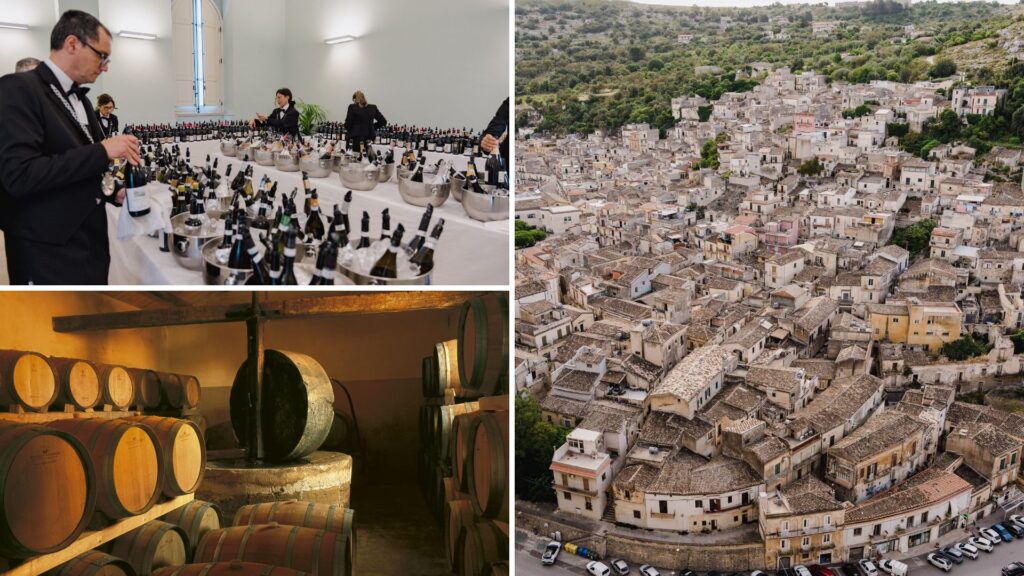
Held at the magnificent Portuguese Baroque Pestana Palácio do Freixo, Douro, the event unfolded as a harmonious symphony of taste, culture, and refined hospitality. It brought together 26 chefs and 20 wine producers, featuring culinary creations from the chefs paired with wines from the participating producers.

The event was attended by an eclectic mix of luminaries: international wine critics, Michelin-starred chefs, top sommeliers, and luxury travel insiders. From Canada to Paris to São Paulo to South Korea, the guest list read like a passport through the world’s wine capitals. Both Portuguese wines and gastronomy took center stage, joined by leading producers from across the country, bringing the global wine world together in one extraordinary setting.

AliveTaste’25 is more than a celebration of fine wine; it is a tribute to the terroir, the people, and the compelling stories that are shaping Portugal’s growing influence in gastronomy and luxury wine tourism. In 2025, the event once again raised the bar, elevating the experience to new heights.

“AliveTaste’25 was nothing short of a sensory revelation” Liz Palmer

For further details, visit: https://alivetaste.com

Porto Reimagined: How Tivoli Kopke Porto Gaia Hotel Is Defining a New Model for Wine Tourism in Northern Portugal

An exclusive interview by Liz Palmer with Francisco Viana Brito, General Manager

Northern Portugal has long lured travellers with its riverside romance, cobbled streets, and legendary port wine. But now, a new chapter in luxury hospitality is unfolding along the banks of the Douro. At the heart of it sits Tivoli Kopke Porto Gaia, a property that bridges centuries of winemaking tradition with contemporary elegance. In this exclusive interview, I sit down with Francisco Viana Brito, General Manager of Tivoli Kopke Porto Gaia, to explore how this hotel is reshaping wine tourism in Porto, offering guests not just a stay, but a sensory journey rooted in the heritage of the world’s oldest port wine house.

Exclusive interview with Francisco Viana Brito, General Manager

General Hotel Concept + Vision

Liz Pamer: What inspired the concept behind this new luxury property in Porto, and does it tie into Kopke and its wine and port culture?

Francisco Viana Brito: The concept behind the Tivoli Kopke Porto Gaia is deeply inspired by the rich legacy of Kopke, the oldest Port wine house, founded in 1638. The hotel was developed through the restoration of former Port wine cellars in Vila Nova de Gaia, aiming to deliver a luxury experience that pays tribute to the region’s winemaking heritage. The connection to wine culture is reflected throughout the property: the presence of the Kopke wine cellars, with exclusive access from within the hotel or the opportunity to enjoy exclusive and distinctive Kopke Port wine tastings. Even the hotel’s design is inspired by the world of wine, with beige and burgundy tones, rich wood accents, and textured walls all reflecting the elegance and legacy of Kopke. We want every stay here to be a sensory journey through the history, flavour, and soul of the Douro Valley.

Liz Pamer: How does the hotel reflect the identity of Northern Portugal’s wine heritage, especially Port wine and the Douro Valley?

Francisco Viana Brito: Tivoli Kopke Porto Gaia was designed as a true tribute to the wine identity of Northern Portugal, with a special focus on Port wine and the Douro Valley. From its privileged location in Vila Nova de Gaia, the heartland of the great Port wine houses, to the integration of the original Kopke cellars, the hotel embodies this heritage through its architecture, interior design inspired by wine elements, exclusive access to Kopke wine tastings, and a gastronomic offering that celebrates the region’s flavours and traditions.

Liz Pamer: Was wine tourism a strategic consideration in the hotel’s design and development phase?

Francisco Viana Brito: The entire narrative of the hotel, from interior design to culinary offerings, was crafted to deliver an immersive experience into the world of Port wine and the Douro Valley. Our goal was to create not just a place to stay, but a true destination where luxury hospitality meets the region’s wine culture.

Wine Tourism Experiences

Liz Pamer: Francisco, can you describe your wine tourism packages or experiences the hotel offers guests (e.g., vineyard tours, tastings, river cruises)?

Francisco Viana Brito: At Tivoli Kopke Porto Gaia, we’ve curated a selection of wine experiences designed to immerse our guests in the rich culture of Port wine. A key highlight is the opportunity to enjoy exclusive and distinctive Kopke Port wine tastings, held in dedicated spaces within the hotel. In addition, guests can enjoy wine-pairing dinners, Port-inspired cocktails at the Sky Bar Kopke, and relaxing moments overlooking the Douro River, always accompanied by a premium wine selection. All of these experiences can be explored and booked through our official Tivoli Kopke Porto Gaia website (here), where we regularly update our offerings.

Liz Pamer: Are there any exclusive wine tastings, cellar dinners, or events hosted on-site?

Francisco Viana Brito: Yes, at Tivoli Kopke Porto Gaia we offer truly exclusive experiences that blend the best of wine culture with the sophistication of our hospitality. One of the highlights is the opportunity to host private gala dinners and banquets for groups inside the historic wine cellars. These exclusive events offer a unique and memorable setting where the legacy of Port wine meets refined service, ideal for corporate gatherings, celebrations, or special group occasions. At our 1638 Restaurant & Wine Bar by Nacho Manzano, guests can embark on a sensory journey through a tasting menu that pays tribute to Kopke’s wine heritage. Inspired by his Asturian roots and the Atlantic richness of the Portuguese coast, Chef Nacho, awarded three Michelin stars, crafts a refined fusion of Iberian flavours, paired with Kopke Port wines and Douro DOC still wines.

Liz Pamer: How do you cater to international guests interested in exploring Portugal’s other wine routes?

Francisco Viana Brito: We understand that many of our international guests arrive at Tivoli Kopke Porto Gaia with a strong interest in discovering not only Port wine, but also Portugal’s other renowned wine regions. That’s why we’ve developed tailored experiences and dedicated concierge services to help guests explore the country’s diverse wine routes. Through partnerships with trusted local operators and prestigious estates, we organize private tours to the Douro Valley (to Quinta de São Luiz), including transportation, expert guides, and curated tastings. Our team is also available to recommend personalized wine travel itineraries, tailored to each guest’s preferences, ensuring an authentic and enriching experience across Portugal. These suggestions and bookings can be arranged directly at the hotel or via our official Tivoli Kopke Porto Gaia website.

F+B + Wine List Integration

Liz Pamer: How is your wine program curated; do you focus mainly on Kopke’s wines and Ports

Francisco Viana Brito: Our wine program has been carefully curated to reflect the identity of Tivoli Kopke Porto Gaia and its historic connection to the Kopke brand. Naturally, Kopke Port wines are at the heart of our offering, with a selection that includes iconic labels such as the Kopke 30-Year-Old Tawny, among other vintages and styles that showcase the excellence of the oldest Port wine house.

Liz Pamer: Is there an in-house sommelier or wine director, and do you offer guided tastings or food and wine pairings?

Francisco Viana Brito: Yes, at Tivoli Kopke Porto Gaia we have an in-house sommelier whose role is to guide our guests through a deeper exploration of the region’s wine culture. Their expertise ensures a personalized experience, whether through wine tastings or curated food and wine pairings. We offer Kopke Port wine tastings in exclusive areas of the hotel, designed to deliver a refined and educational sensory journey. At the 1638 Restaurant & Wine Bar by Nacho Manzano, our tasting menu is a true gastronomic journey, with each dish thoughtfully paired with Kopke Ports and Douro DOC still wines.

Liz Pamer: What role does other local wine play in the guest dining experience, from breakfast to fine dining?

Francisco Viana Brito: Even in more informal moments, such as breakfast or at the Sky Bar, our guests have the opportunity to enjoy and discover Portuguese wines and sparkling wines, through light pairings and wine-based cocktails that celebrate the national terroir. Our commitment is to deliver a complete and cohesive experience, where wine, in all its expressions, is present throughout the day as a reflection of Portugal’s culture, hospitality, and excellence.

Cultural & Sustainability Aspects

Liz Pamer: How do you incorporate the local wine culture and traditions into the guest experience, from architecture to amenities?

Francisco Viana Brito: Architecturally, the hotel pays tribute to the region’s winemaking heritage, with design elements that evoke the old Douro wine estates and cellars: burgundy and beige tones, natural wood, textured walls, and a classic ambiance that reflects Kopke’s legacy, all seamlessly combined with the timeless elegance that defines the Tivoli Hotels & Resorts brand. At the Tivoli Spa, the connection to wine heritage is elevated into a truly sensory experience with the exclusive “The Essence of Kopke” massage. Inspired by the ancestral history of Port wine, this multi-sensory ritual begins with heated schist stones, symbolizing the earth and helping to deeply relax the body. It is followed by a mantle of aromatic cork stoppers, carefully placed to harmonize the chakras and promote energetic balance. The ritual culminates in a luxurious massage using a heated wine-infused candle, enriched with nourishing oils, resveratrol, and grape extract, enveloping the body while nourishing the skin and revitalizing the senses. A true celebration of the Douro terroir, transformed into wellness.

Liz Pamer: Is sustainability a key part of your wine tourism offering, for example, eco-friendly winery visits or local sourcing?

Francisco Viana Brito: Sustainability is a fundamental pillar of our wine tourism offering. At Tivoli Kopke, we are deeply committed to promoting authentic and conscious experiences that respect the natural and cultural heritage of the Douro Valley. For example, we offer a Green Stay option for bookings longer than one night, where guests can opt out of housekeeping services, embracing our mission to reduce water, energy, and resource consumption. In return, the hotel offers a complimentary drink to encourage this sustainable choice. We also prioritize local sourcing, whether in the wines we present, the ingredients used in our gastronomic experiences, or the partners we collaborate with, strengthening our connection to the community and reducing our environmental footprint. We believe that luxury can and should go hand in hand with environmental responsibility, and we continuously strive to innovate and evolve our offering in line with this sustainable vision.

Marketing + Target Markets

Liz Pamer: What type of wine tourist are you hoping to attract: seasoned connoisseurs, curious novices, or lifestyle travellers?

Francisco Viana Brito: At Tivoli Kopke Porto Gaia, we aim to attract a diverse profile of wine tourists, from seasoned connoisseurs who appreciate the depth and legacy of Port wine to curious novices eager to explore this world in an accessible and engaging way. At the same time, our hotel is also designed for lifestyle travellers seeking authentic, sensory, and memorable experiences. The blend of Kopke’s wine heritage, signature gastronomy, wellness at the Tivoli Spa, and our privileged location overlooking the Douro creates the perfect setting for those who see wine as part of a sophisticated and culturally rich lifestyle. Our mission is to offer experiences that cater to all levels of interest and knowledge, always with the quality and elegance that define the Tivoli brand.

Liz Pamer: How are you positioning Tivoli Kopke Porto Gaia Hotel internationally within the wine tourism space? Are you collaborating with tourism boards or influencers?

Francisco Viana Brito: Internationally, we are positioning Tivoli Kopke Porto Gaia as a premium wine tourism destination, blending the authenticity of Douro’s wine heritage with the sophistication of the Tivoli brand. To strengthen this positioning, we have been developing regular collaborations with wine and travel journalists, as well as influencers, alongside partnerships with tourism boards. These initiatives are a strategic priority for us, as they allow us to effectively communicate the uniqueness of our offering to discerning audiences with a passion for wine and culture. Through these efforts, we aim not only to attract a wide range of travellers but also to help establish Northern Portugal as a leading destination for wine tourism.

Vision for the Future

Liz Pamer: Francisco, how do you see Porto evolving as a luxury wine tourism destination, and what role will your hotel play in this growth?

Francisco Viana Brito: Tivoli Kopke Porto Gaia plays an active role in this evolution, positioning itself as a flagship for luxury wine hospitality. Through our connection to the Kopke brand, our curated wine experiences, signature gastronomy, and wellness offerings inspired by the Douro terroir, we provide guests with a unique way to experience wine with elegance, authenticity, and cultural depth. We believe our hotel helps elevate Porto’s international profile, attracting discerning travellers in search of memorable and distinctive experiences, and reinforcing the city’s position as a world-class wine tourism destination.

Liz Pamer: Are there any future plans to host wine-focused festivals, events, or residencies at the hotel?

Francisco Viana Brito: Yes, we have a strong ambition to establish Tivoli Kopke Porto Gaia as a premier venue for signature wine-focused events, and this vision is part of our medium-term strategy.

Thank you, Francisco! I’m truly grateful for the opportunity to speak with you. Your time and expertise provided valuable insights into the distinguished heritage and vision of Tivoli Kopke Porto Gaia.

Tivoli Kopke Porto Gaia isn’t just another luxury hotel; it’s a refined tribute to Northern Portugal’s soulful wine legacy. With its immersive experiences, Michelin-starred dining, and an unwavering commitment to authenticity and sustainability, the property offers guests the rare opportunity to live the story of port wine from inside the barrel room to the rooftop bar. For wine lovers, design enthusiasts, and cultural travelers alike, this is more than a hotel; it’s a destination.

Tivoli Kopke Porto Gaia Website: https://www.tivolihotels.com/en/tivoli-kopke-porto-gaia

The Opus One Experience: Napa’s Crown Jewel of Wine Tasting

History and Vision

The story of Opus One is not simply that of a winery; it is the embodiment of a groundbreaking partnership that transformed American winemaking. Conceived in 1978 and officially founded in 1980, Opus One was born from the visionary alliance between two legendary figures: Baron Philippe de Rothschild of Château Mouton Rothschild in Pauillac and Robert Mondavi, the pioneering force behind Napa Valley’s global reputation.

Their bold ambition was to create a single, world-class Bordeaux-style wine from Napa terroir, one that could stand alongside France’s First Growths. Initially dubbed Napamédoc, a name that reflected the transatlantic partnership, the winery adopted the name “Opus One” in 1982. This new name symbolized a harmonious blend of classical artistry and enological mastery. The debut vintages, 1979 and 1980, were jointly released in 1984 to great acclaim, priced at $50 per bottle, an unprecedented figure for a California wine at the time.

Architectural Grandeur

Nestled on the west side of Oakville’s iconic Highway 29, directly across from the original Robert Mondavi Winery, the Opus One estate is a stunning fusion of neoclassical elegance and Californian modernism. Completed in 1991, the architecture reflects the winery’s ethos, timeless, balanced, and quietly majestic.

From above, the estate takes the shape of a wine glass, a subtle nod to the artistry within. Inside, a sweeping spiral staircase and a luminous central atrium create a sense of reverence, much like entering a European museum.

The Partners’ Room

My tasting was held in the exclusive Partners’ Room, a glass-encased sanctuary offering sweeping 180-degree views of northern Napa Valley. Designed with understated luxury, the room captures the spirit of Opus One, refined, thoughtful, and rooted in precision. Reserved for private tastings, including verticals of rare library vintages, the space is adorned with archival photographs that honour the legacy of Rothschild and Mondavi. Here, architecture, landscape, and wine coalesce in a seamless tribute to partnership and vision.

A Philosophy of Precision

Opus One’s approach to winemaking is resolutely singular: to craft one exceptional wine from each vintage. Under the stewardship of winemaker and viticulturist Michael Silacci, every step of the process is carried out with painstaking attention to detail.

Grapes are harvested and sorted by hand, and gravity-flow systems are employed to preserve fruit integrity. Fermentation takes place in small stainless-steel tanks, allowing for extended maceration and maximum extraction of colour, structure, and aromatics. The result is a wine that is both powerful and elegant, a reflection of terroir and time.

The Opus One Tasting Experience

Guests are guided through curated tastings by Estate Ambassadors, who offer in-depth insights into the winery’s history, viticulture, and winemaking philosophy.

During my recent visit, I experienced an unforgettable vertical tasting in the Partners’ Room, hosted by the knowledgeable and gracious Therese Keating, Estate Ambassador. Ms Keating previously provided us with an in-depth insight into the Opus One’s history, viticulture and winemaking philosophy. Against a backdrop of breathtaking vineyard views, we explored three vintages: 2015, 2019, and 2021, each paired with meticulously crafted amuse-bouches.

2015 Opus One

Blend: Cabernet Sauvignon 81%, Cabernet Franc 7%, Merlot 6%, Petit Verdot 4%, Malbec 2%
Skin Contact: 21 days
Barrel Aging: 18 months in new French oak

Tasting Notes: A warm vintage showing opulence and depth. Aromas of dark plum, violet, and tea leaf give way to a lush palate of blackberry, cocoa, and baking spices. Creamy texture, fine tannins, and great balance.

Drink Window: 2025–2040

2019 Opus One

Blend: Cabernet Sauvignon 78%, Merlot 8%, Petit Verdot 6%, Malbec 2%
Skin Contact: 22 days
Barrel Aging: 19 months in new French oak

Tasting Notes: A composed and classic vintage. Notes of black currant, rose petal, and graphite lead into layers of espresso, dark chocolate, and savoury herbs. Silky texture, bright acidity, and a lingering finish.

Drink Window: 2025–2045

2021 Opus One

Blend: Cabernet Sauvignon 93%, Cabernet Franc 4%, Petit Verdot 2%, Merlot 0.5%, Malbec 0.5%
Skin Contact: 19 days
Barrel Aging: 19.5 months in new French oak

Tasting Notes: From one of the driest growing seasons on record, this vintage is defined by purity and finesse. Aromas of cassis, violet, and black cherry evolve into a palate of elegant tannins and a finish marked by truffle, vanilla, and spice.

Drink Window: 2029–2049

Each wine was paired with exquisite culinary expressions, from bacon and Roquefort canelés to truffle-scented morel gâteau, amplifying the sensory journey. This rare opportunity to observe how the estate’s wines evolve in character and structure over time was both intellectually stimulating and emotionally resonant.

Final Reflections

Opus One is more than a wine estate; it is a living philosophy, where tradition and innovation are intertwined with purpose and grace. Every detail, from grape to glass, reflects a pursuit of perfection rooted in legacy and collaboration. For connoisseurs and collectors, a visit to Opus One is nothing short of a pilgrimage, an invitation to experience the art of fine winemaking at its most refined.

The most unique wine tasting experience in Napa is at Opus One. Uncover the art of Bordeaux blends, breathtaking architecture, and a wine experience like no other.” Liz Palmer

Opus One Winery

📍 7900 St. Helena Highway, Oakville, CA
🌐 https://en.opusonewinery.com

Global Wine Tourism Soars in 2024 Despite Historic Lows in Production and Consumption

The global wine tourism sector demonstrated exceptional growth and resilience in 2024, according to The Global Wine Tourism Market 2024 report, published by Vinetur on July 16, 2025. Despite a challenging year for wine production and consumption worldwide, wine tourism emerged as a dynamic and vital segment within the broader tourism and beverage industries.

Market valuations for 2024 varied based on methodology. Conservative estimates, focused on core winery activities, valued the market at $11.86 billion, up from $10.53 billion in 2023. Broader analyses, which included spending on accommodation, gastronomy, and cultural activities, estimated the sector’s value as high as $95.88 billion. All credible sources reported strong double-digit growth, with compound annual growth rate (CAGR) forecasts ranging between 4.01% and 13.2% for the coming years.

This strong performance stood in stark contrast to the steep declines in wine production and consumption. Global wine production in 2024 dropped to 225.8 million hectoliters, a 4.8% decrease from 2023 and the lowest output in more than six decades, primarily due to severe weather events affecting vineyards worldwide. Meanwhile, global wine consumption declined by 3.3% to approximately 214.2 million hectoliters, the lowest level since 1961, driven by economic pressures, evolving consumer habits, and growing health consciousness.

Amid these headwinds, wine tourism thrived, bolstered by transformative trends. Central to this growth was the rise of the “experience economy,” as travellers increasingly sought immersive and educational experiences over traditional sightseeing. Wine tourism responded with vineyard tours, blending workshops, harvest participation, and integration with culinary travel. Sustainability also became a major value driver, with many wineries adopting organic and biodynamic practices, water conservation methods, and renewable energy, particularly appealing to Millennial and Gen Z tourists.

Digital transformation further accelerated growth. Online booking platforms, virtual tours, and targeted social media campaigns made wine regions more accessible than ever. Wineries increasingly use technology to deliver personalized experiences and build deeper engagement with visitors.

From a regional perspective, Europe maintained its global leadership with over 51% market share in 2023, led by France, Italy, and Spain. North America, driven by California’s Napa and Sonoma valleys, emerged as a high-value growth engine. Asia-Pacific posted the highest projected growth rates, supported by rising middle-class populations in China, India, and Australia. South American destinations such as Argentina and Chile gained international appeal thanks to favourable exchange rates and distinctive terroirs, while South Africa’s wine tourism sector made a strong post-pandemic recovery.

In Europe:

  • France welcomed approximately 10 million wine tourists in 2024. Bordeaux alone attracted nearly six million visitors despite a small harvest caused by mildew and rain. Champagne drew about 3.5 million visitors, even as global shipments dropped more than 9% due to economic uncertainty.
  • Italy’s wine tourism sector grew by 16%, reaching a value of €2.9 billion. Tuscany remained a top destination with over 15 million tourist arrivals.
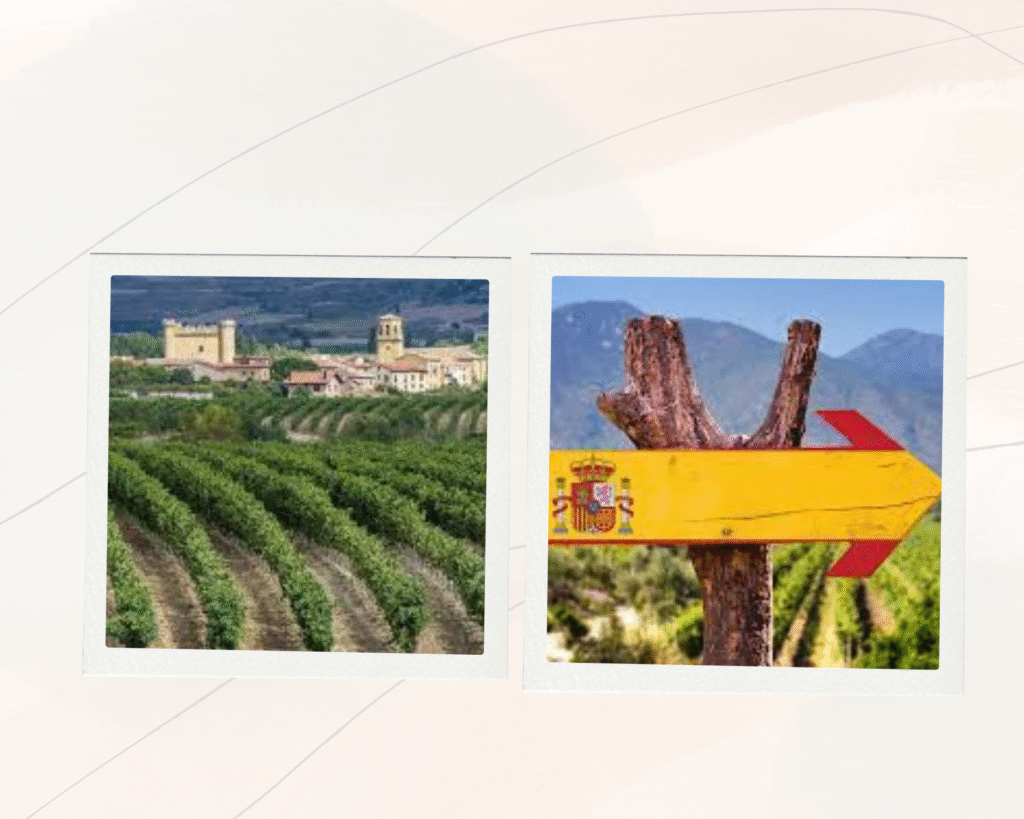
  • Spain’s Rioja region set new records with more than 912,000 winery visits.

In North America:

  • The region contributed roughly 25% of global market revenue in 2023.
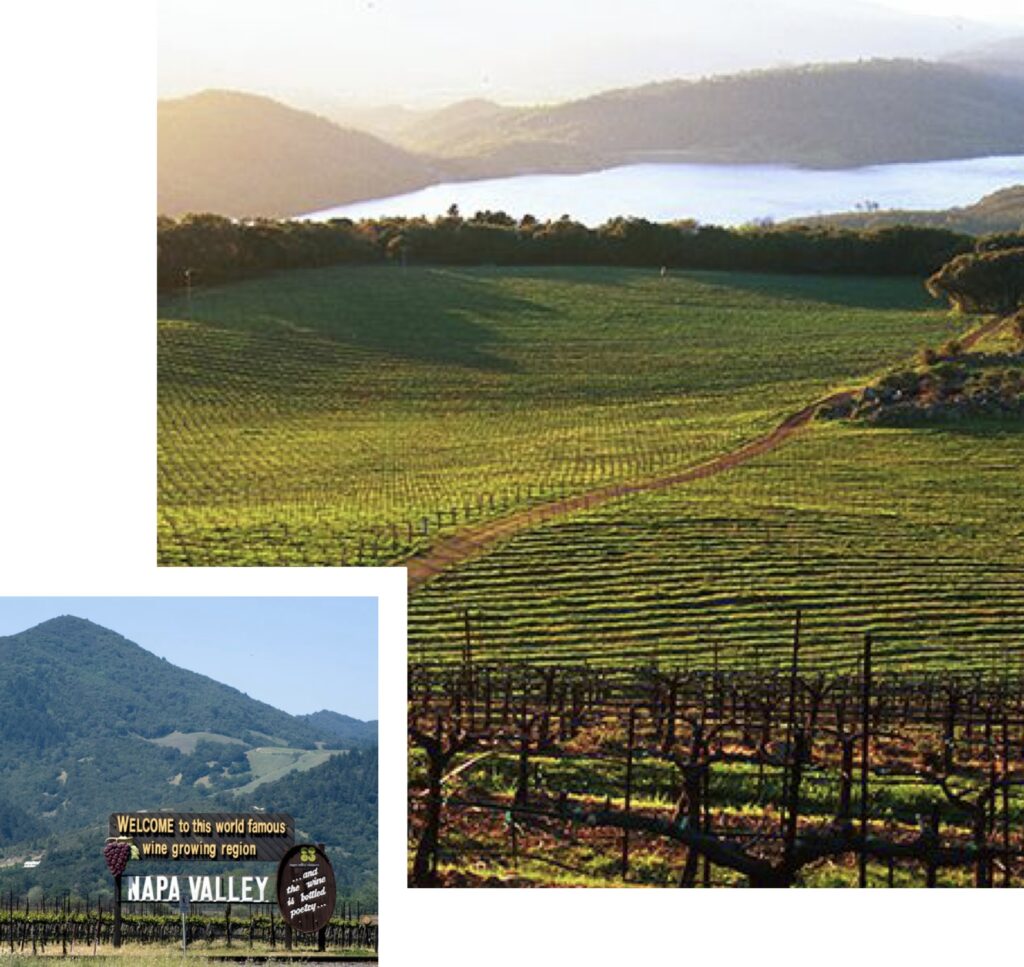
  • Napa Valley generated $2.5 billion in visitor spending, with an average daily spend of $446 per overnight guest.
  • Sonoma County welcomed over 10 million visitors in 2024, generating $1.5 billion in spending.

In South America:

  • Mendoza, Argentina, increased the number of wineries open to tourism by nearly 60% since 2018, receiving almost 1.6 million visitors in 2024. Domestic travellers accounted for 62% of this total.
  • Chile reached a record 219 wineries open to tourism and welcomed nearly one million visitors.

In Asia-Pacific:

  • The region is expected to grow nearly 15% annually through 2030.
  • Australia benefited from renewed exports to China following the removal of tariffs in March 2024. New South Wales led the country in attracting international wine tourists.

In South Africa:

  • The sector surpassed pre-pandemic levels, with direct GDP contributions of approximately $162 million in 2022.
  • Domestic tourists accounted for 58% of room nights in the Cape Winelands in 2024.

Market segmentation analysis revealed that on-site winery experiences, such as tastings and tours, accounted for more than 57% of offerings in 2023. Festivals and events are projected to grow at a CAGR of nearly 14% through 2030. Domestic tourism provided a stable foundation, contributing 64% of total revenue, while international tourism drove higher growth rates.

Direct bookings remained the preferred choice for 40% of travellers, though online travel marketplaces are rapidly gaining traction due to ongoing digitalization trends.

Looking ahead, the strategic outlook for wine tourism remains optimistic, despite challenges such as climate change, economic volatility, evolving consumer preferences, including demand for low- and no-alcohol options, and inconsistent data collection across regions.

Industry experts recommend that wineries invest in hospitality infrastructure, digital tools, and sustainability practices to appeal to modern travellers seeking authentic, values-driven experiences. Tourism boards are advised to promote integrated regional experiences and support transportation infrastructure, while investors are encouraged to explore diversified assets that combine winemaking with hospitality services.

The global wine tourism sector is shifting from product-centric models to experience-driven value creation, a trend poised to drive continued growth well into the next decade, even as traditional wine production faces mounting pressures.

Carol Duval-Leroy Named Officer of the Legion of Honour for Her Pioneering Role in Champagne

In a momentous acknowledgment of her exceptional contributions to viticulture and French cultural heritage, Carol Duval-Leroy, President of Maison Duval-Leroy, has been named Officer of the Legion of Honour, one of France’s highest civilian accolades.

This prestigious distinction not only honours her unwavering dedication to the Champagne region but also recognizes over three decades of exemplary leadership, innovation, and advocacy within the global wine industry. Under her stewardship, Maison Duval-Leroy has become a paragon of quality and sustainability, balancing tradition with progressive viticultural practices.

Carol Duval-Leroy’s accolade is a powerful testament to her role as a trailblazer, championing excellence, empowering women in wine, and preserving the cultural legacy of Champagne for future generations.

Her journey continues to inspire both industry peers and aspiring professionals around the world.