Raise Your Glass to New Zealand for International Pinot Noir Day – August 18th

There’s something irresistibly seductive about Pinot Noir. It’s the grape varietal that makes sommeliers swoon, winemakers sweat, and wine lovers fall head over heels. And while Burgundy may have long been considered its spiritual home, New Zealand has been quietly (and sometimes not-so-quietly) redefining the Pinot Noir conversation.

This August 18th, as the wine world raises a glass to International Pinot Noir Day, it’s the perfect opportunity to celebrate New Zealand’s most captivating red wine export.

Pinot Noir was first planted in the Wairarapa region of New Zealand’s North Island in 1883, but it wasn’t until 1987 that it was commercially released. By the 1990s, gold medals in Australia and London had propelled New Zealand Pinot Noir onto the global stage. Suddenly, whispers of a “new Pinot powerhouse” were spreading around the wine world.

New Zealand Pinot Noir is something else,” says Charlotte Read, General Manager Brand at New Zealand Winegrowers. “It leads with a concentrated core of fruit, supported by a vibrant backbone of acidity thanks to our cool climate, and displays the hallmark fragrance and elegant, fine-grained tannins that great Pinots possess. It’s exciting to observe the distinct regional styles that emerge from differences in soil type and climate across the areas where Pinot Noir is grown in New Zealand.”

Pinot Noir is now among the top five most searched red varietals globally, with Wine-Searcher reporting an increase from 10.5% to 15.5% of total search market share. Within New Zealand, Pinot Noir accounted for 32.4% of wine searches in 2024, second only to Sauvignon Blanc.

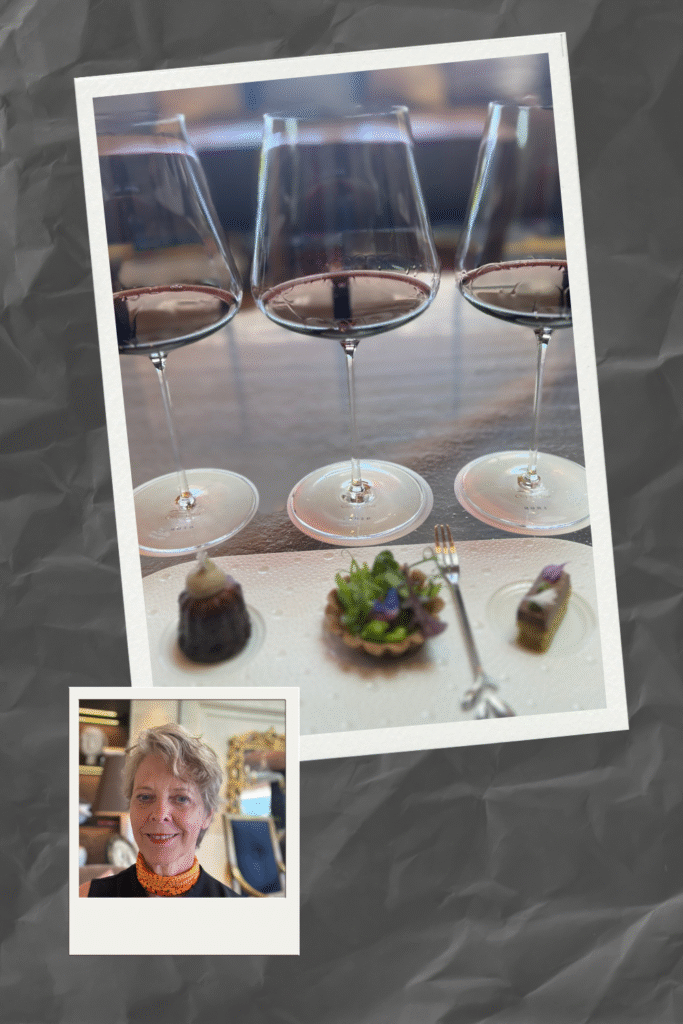
And it’s not just hype; it’s in the glass. Lively acidity, silky tannins, and versatile food-friendliness make it a natural companion for a wide range of dishes, from roast chicken and salmon to mushroom risotto and duck confit. With more wine lovers gravitating toward fresher, chillable reds, Pinot Noir is perfectly suited to the modern table.

It’s no surprise that Pinot Noir has become New Zealand’s top red wine variety and the country’s second-largest wine export after Sauvignon Blanc, with over 1.5 million cases shipped annually to more than 100 countries. Exports alone reached $2.1 billion in 2024.

So, this International Pinot Noir Day, why not pour yourself a glass and discover why this grape has captured the world’s imagination?

My picks for the occasion:

  • Tarras Central Otago Pinot Noir – vibrant, rich, full-bodied and endlessly drinkable
  • Thornbury Pinot Noir 2019 – classic structure with a rich, fruit-driven
  • Lord Rutherford Pinot Noir 2013 – a cellar gem that showcases how gracefully New Zealand Pinot can age

Raise your glass, take a sip, and let New Zealand Pinot Noir remind you why wine can be both playful and profound!

EU Authorizes Three New Grape Varieties: Calardis Blanc, Magdeleine Noir, and Négret de la Canourgue

The French Minister of Agriculture and Food Sovereignty submitted a formal request to the European Union to update the Official Catalogue of Species and Varieties of Plants Cultivated in France. At the culmination of this process, three grape varieties, Calardis Blanc (white), Magdeleine Noir, and Négret de la Canourgue (both red) have now received official authorization.

Calardis Blanc, a hybrid derivative of Calardis Musqué and Seyve Villard 39‑639 developed by the Julius Kühn Institute (Geilweilerhof, Germany), is notable for its resistance to powdery mildew, downy mildew, and black rot. Previously approved since 2020 in Germany’s Rhineland‑Palatinate, it is now cleared for cultivation across France, where it is expected to yield wines with rich aromatic complexity, exotic fruit profiles, and pronounced acidity, traits favourable for sparkling wine production.

Magdeleine Noir, also referred to as ‘Black Magdeleine’, originated in Brittany and has been identified in the Charentes. It is genetically linked to Merlot and is described as a balanced cultivar of considerable complexity.

Négret de la Canourgue, hailing from the Tarn Valley, is characterized by vigorous growth, strong yields, late ripening, and a pale colour, qualities that render it especially suitable for lightweight rosé wine production.

This regulatory decision aligns with broader EU and national strategies to modernize and diversify viticultural production. As of late 2024, France had authorized 357 grape varieties for wine production and labelling, compared with roughly 700 in Italy, 260 in Spain, and 343 in Portugal. Meanwhile, Germany had approximately 465 permissible varieties, and Greece around 206.

The Rise of Hybrid and Resilient Varieties

Amid mounting climate-related pressures on traditional viticulture, hybrid grape varieties are gaining prominence. A study published in Nature Reviews Earth and Environment cautions that up to 70% of current winemaking regions may become unsuitable under continued average temperature increases. Hybrids like Calardis Blanc are championed for their disease resistance, reduced cultivation costs, and adaptability to extreme climate events, alongside their capacity to deliver higher yields with less intensive input demands.

EU Lifts Liquid Ban: Wine Bottles Now Permitted in Hand Luggage at Select European Airports

Recent advancements in aviation security technology have prompted the European Union (EU) to revise its long-standing 100 millilitre liquid restriction for carry-on luggage. This policy evolution, currently applicable in select European airports, has significant implications for passenger convenience, airport operational efficiency, and regional agri-food economies, particularly the wine and olive oil sectors.

The European Union has officially sanctioned the use of next-generation computed tomography (CT) security scanners capable of detecting liquid explosives without the need to separate or decant liquids during security screening. The European Civil Aviation Conference (ECAC) approved these devices in July 2025, marking a pivotal shift in airport security protocols.

Under the revised regulations, passengers travelling through airports equipped with these next-generation scanners by Smiths Detection, like Milan Malpensa, Milan Linate, Rome Fiumicino, Bologna, and Turin can now carry liquids, including wine, olive oil, perfumes, and creams, in containers of up to two litres in their hand luggage. This development effectively dismantles the 100-millilitre threshold that has been in place for nearly two decades.

While the measure is currently limited to airports utilizing scanners from approved manufacturers (e.g., Smiths Detection), broader EU-wide implementation is expected as more airports upgrade their systems. However, discrepancies may arise during multi-leg itineraries involving airports with outdated screening equipment.

The policy shift is anticipated to yield tangible benefits for the wine tourism and agri-food sectors. travellers, especially those without checked baggage, can now transport artisanal products directly from producers, avoiding the higher costs and limited selection of duty-free shops. The measure thus supports regional economies while enhancing the travel experience.

Robert Mondavi Winery Unveils 2026 Reopening Experiences – Reservations Now Open for Napa Valley’s Most Anticipated Return

Robert Mondavi Winery, one of Napa Valley’s most iconic estates, has announced that early reservations are officially open for its highly anticipated reopening in spring 2026. After a comprehensive, multi-year renovation, the historic Oakville property is set to debut an inspired array of immersive programs designed to delight both seasoned collectors and passionate wine explorers.

Among the new experiences are expertly guided cellar tours and intimate tastings showcasing Robert Mondavi Winery’s award-winning portfolio of luxury wines, each experience thoughtfully curated to deepen your understanding of Napa Valley’s terroir and the pioneering legacy of Robert and Margrit Mondavi, who helped shape the area’s food, wine, and cultural legacy.

Reservations can be secured through Tock at www.exploretock.com/robertmondavi

Signature Experiences

Napa Discovery Tour & Tasting

$55 per person – Duration: 60 Minutes

Embark on a guided walk through the state-of-the-art production and aging cellars. Conclude your visit with a seated tasting of select wines, led by an expert wine educator, as you explore Napa Valley’s unique terroir and the Mondavis’ indelible impact on California wine culture.

Estate Experience

$85 per person – Duration: 75 Minutes

Engage in a seated tasting that dives deeper into vineyard expression, precision farming, and the winery’s commitment to sustainability. Led by a knowledgeable educator, this experience illuminates the nuanced character of Robert Mondavi’s distinguished vineyard sites.

To Kalon Reserve Tasting

$125 per person – Duration: 75 Minutes

Discover the crown jewel of Robert Mondavi Winery, the legendary To Kalon Vineyard. This exclusive tasting pairs limited-production wines with refined culinary accompaniments, offering unparalleled insight into To Kalon’s heritage and the visionary winemaking it inspires.

This is a rare chance to secure your place at the forefront of Robert Mondavi Winery’s next chapter.

The Lumiares Hotel & Spa: Is A Chic Urban Retreat in the Heart of Lisbon

Tucked away in Lisbon’s charismatic Bairro Alto district, The Lumiares Hotel & Spa is not just a hotel; it’s a design-forward, soulfully Portuguese experience that seamlessly blends elegance, authenticity, and a deep sense of place. This five-star boutique gem, part of Small Luxury Hotels of the World and featured in the Condé Nast Johansens Luxury Hotels 2025 guide, has earned accolades for its intuitive hospitality and earned the 2024 award for Best Bar in Europe, for good reason.

Set in a beautifully restored 18th-century palace, The Lumiares reimagines luxury for the modern traveller. The design tells a distinctly Portuguese story: think bold patterned tiles, original artworks by Lisbon-based creatives, handcrafted furniture, and warm textures that nod to the city’s vibrant culture.

Each of the 47 apartment-style suites, from Studios to the two-bedroom Penthouse, offers both style and space. Fully equipped kitchens with SMEG appliances, elegant living and dining areas, and plush king-sized beds ensure guests feel truly at home. Oversized windows frame iconic cityscapes of terracotta rooftops, winding cobblestone alleys, and distant river views.

A true highlight of my stay was the Lumi Rooftop Bar & Restaurant. Set high above Lisbon, it offers sweeping 180° views of the Tagus River and the timeless charm of the Alfama historic skyline.

What made it so special? The atmosphere strikes the perfect balance between polished sophistication and laid-back charm. Chef João Silva’s seasonal menus showcase fresh, local ingredients with creativity and flair, while the craft cocktails celebrate Portugal’s rich culinary heritage with inventive twists.

It’s no surprise that Lumi was awarded Best Bar in Europe 2024 by Condé Nast Johansens, a well-earned recognition for a truly memorable experience.

The Lumiares Spa is a hidden oasis in the city. The treatment menu includes everything from deep-tissue and Ayurvedic massages to organic facials and detoxifying rituals. Facilities include a sauna, steam room, and a 24-hour gym.

The Lumiares Concierge team excels at curating bespoke experiences tailored to each guest. Think:

  • Private tuk-tuk tours through Lisbon’s oldest quarters
  • Artisan-led azulejo tile painting workshops
  • Food and wine tastings showcasing local petiscos and boutique wines
  • Sunset sailing on the Tagus River
  • Fado music nights in nearby Alfama

For oenophiles, the hotel can arrange private vineyard day trips to Setúbal or Colares, two of Portugal’s most fascinating and under-discovered wine regions.

The hotel’s enviable central location makes it an ideal base for walking and exploring:

  • Chiado and Principe Real shopping districts – 5-minute walk
  • Miradouro de São Pedro de Alcântara – just steps away, perfect for golden hour
  • Elevador da Glória – right outside, connects guests to downtown Baixa
  • Carmo Convent and Santa Justa Lift – under 10 minutes on foot
  • Time Out Market and the Ribeira waterfront – 15-minute stroll

“The Lumiares is effortlessly Lisbon: layered, expressive, welcoming, and deeply rooted in place. It invites you not just to visit the city, but to live it.”  Liz Palmer