Wines of South Africa Announces “CapeWine 2025” – The Largest Wine Trade Show in the Southern Hemisphere

Wines of South Africa (WoSA) has recently announced the return of CapeWine, scheduled for 10-12 September 2025, to be held at the Cape Town International Convention Centre (CTICC). For the first time, DHL Express and Hillebrand Gori have joined forces as the event’s headline sponsors, showcasing their commitment to supporting the growth of South African wine globally.

As the triennial flagship event for South African wine, CapeWine 2025 will showcase the richness and diversity of South Africa’s wine industry to an international audience of trade professionals, media, and enthusiasts.

The theme of CapeWine 2025 will be “Our Warmest Welcome,” encapsulating the spirit of South Africa’s wine industry in terms of the wine and the people who produce it. This event invites trade professionals worldwide to connect with the diverse individuals shaping the wine industry.

First hosted in 2000 with 100 exhibitors, the expo has grown to over 10 editions and has now become renowned for its extensive showcase of over 400 South African wine producers. The event will also offer a host of immersive experiences that go beyond the trade floor. Attendees will explore the different wine regions, discover rare varieties, meet talented winemakers, and engage with groups of like-minded enthusiasts.

“This tenth edition of our flagship trade event promises to be one of the best yet. Twenty-five years after the first CapeWine was launched in 2000, it has grown exponentially, and the show, as we know it today, has evolved to truly reflect what the South African wine industry is all about: the phenomenal wines we produce, our wonderfully warm people, the dramatic and spectacular landscapes, and the overall richness of our culture. I look forward to welcoming trade from around the world to join us for what will be an unforgettable experience,” states Siobhan Thompson, Wines of South Africa, CEO

The 2025 edition promises to elevate the South African wine industry’s global profile, attracting trade and media representatives from over 60 countries. The event runs daily from 10:00 to 17:00, providing ample opportunities to network, taste exceptional wines, and explore the local culture and landscapes of the Cape Winelands.

Registration and Tickets: www.capewine2025.com

Wine Business Monthly’s Wine Industry Leaders of 2024

Wine Business Monthly’s 2024 Wine Industry Leaders list was just announced! It serves as a valuable guide to the visionaries shaping the current and future landscape of the wine industry. Recognizing those who drive innovation, sustainability, and economic resilience, this annual compilation includes leaders who stand out in their commitment to advancing the wine sector through strategic foresight and adaptability in the face of evolving market demands. The 2024 selection reflects a cross-section of influential figures, from pioneering winemakers and business executives to sustainability advocates and digital strategists, each making significant contributions to both the trade and broader cultural appreciation of wine.

By highlighting these individuals, Wine Business Monthly not only celebrates success but also inspires continuous growth and evolution across the industry.

Here is the full list: https://www.winebusiness.com/wbm/article/293943

Source: Wine Business Monthly

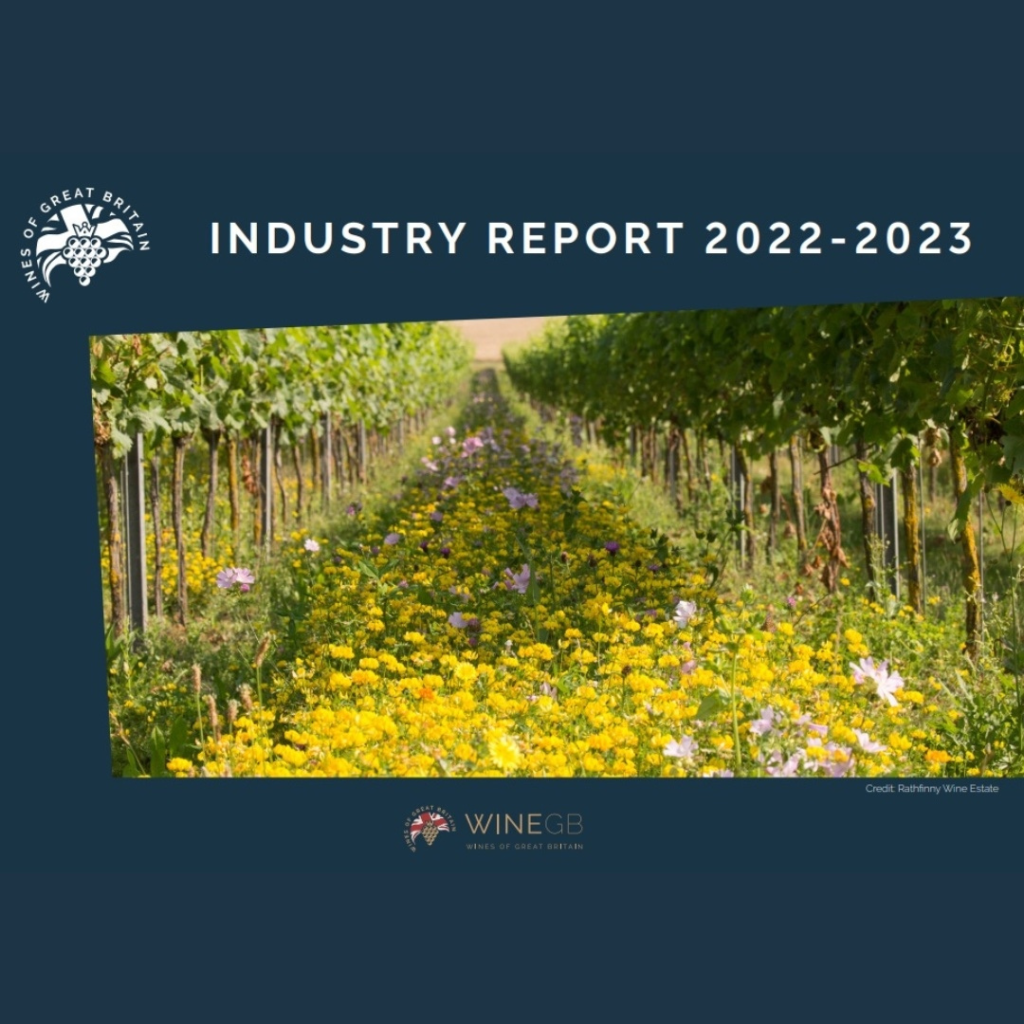
WineGB calls for further support from Government for wine exports

WineGB is calling on the government to provide additional support to promote the growth of GB wine sales overseas through exports. The percentage of sales from export has doubled in two years from 4% in 2021 to 8% in 2023.

Currently, British wines are exported to 45 countries, with the largest markets being Norway, Japan, the United States, Sweden, Finland, Denmark, Switzerland, the Netherlands, Hong Kong and South Korea. Notably, sales of English still and sparkling wines in Norway have surged by 33% over the past year.

According to figures from Norwegian alcohol monopoly Vinmonopolet, sales increased by 21,551 litres, reaching a total of 87,318 litres.

WineGB is pushing for stronger partnerships with the Department for Business and Trade (DBT) and the GREAT campaign, as outlined in its Manifesto for Growth. The trade body emphasises that no new wine-producing region has established itself in the global export market without significant government backing. WineGB is keen to work closely with Jonathan Reynolds MP, secretary of state for the DBT, to accelerate the growth of British wine exports.

To level the playing field for English and Welsh wines in international markets, WineGB has proposed five key actions:

1. Showcasing English and Welsh wines in 20 to 30 major cities worldwide

2. Enhancing grant funding, export financing, and support for physical distribution at overseas events

3. Improving trade access to European markets

4. Expanding the UK’s gastro-diplomacy efforts through its global network; and

5. Assisting exporters with better access to accurate and up-to-date export data

Sources: https://winegb.co.uk, and Harpers

New study shows wine consumption does not increase cancer or mortality risk in healthy adults over 60

A study published this week in JAMA Network Open and conducted by researchers based at the Autonomous University of Madrid, Harvard and other institutions investigates the impact of alcohol consumption on mortality among older adults, particularly focusing on those with health-related or socioeconomic vulnerabilities. The findings reveal that even what is typically considered low-risk drinking can elevate mortality risks, especially for cancer and cardiovascular diseases. This is particularly pronounced among those with existing health or financial challenges.

Interestingly, the study highlights a protective aspect for those who predominantly consume wine and drink only with meals. This pattern seems to reduce the negative effects of alcohol on mortality, suggesting that the slower absorption rate of alcohol or the beneficial components in wine might play a role. The research underscores the need to address health disparities related to alcohol consumption, especially in vulnerable populations, and calls for further exploration into the benefits of wine consumption in these groups.

By understanding the nuanced effects of different drinking patterns, particularly the potential benefits of wine, the wine trade can better communicate with consumers and contribute to public health discussions. This study adds to the growing body of evidence that wine, when consumed in moderation and within specific contexts, might offer a protective edge against some of the health risks associated with alcohol.

Link to full study

Source: JAMA Network

Spirits set to overtake wine as global drinking habits change

According to a report from the World Spirits Alliance released on Wednesday, global sales of spirits such as vodka and whisky are expected to surpass wine as drinking preferences have shifted.

The report from Oxford Economics and alcohol market research firm IWSR states 2.67 billion cases of spirits were sold in 2022, almost as many as the 2.8 billion cases of wine sold that year.

“Should current trends in both categories continue, spirits volumes will soon surpass those of wine,” the report states.

Trends, including a shift towards drinking fewer, more expensive drinks, notably a growing range of cocktails, have seen spirits displace wine.

The wine industry has faced a global supply glut, difficult weather and falling demand, which has hit a 27-year low. Beer companies are also grappling with a shift to spirits in some markets.

BY THE NUMBERS

Beer accounted for 75.2% of total beverage alcohol volumes in 2022, followed by wine at 10.4% and spirits at 9.9%;

In terms of the value of sales in 2022, spirits accounted for 40% of total beverage alcohol sales followed by beer at 38.1% and wine at 17.6%;

Indian whisky is set to be the fastest growing spirits category between 2022 and 2027, growing by 50 million cases, with tequila, rum and gin all expected to rise between 10 and 20 million cases. Cognac and Armagnac are set to grow the least in the spirits market.

The production and sale of spirits contributed some $730 billion to the global economy in 2022, when activity ranging from farming and manufacturing to shipping and sales in shops, bars and restaurants is included.

Source: Reuters/World Spirits Alliance