January 2026 Reset: Top Wine Spas to Start the Year in Balance (Part I)

January is the quiet inhale after the excess of the holiday season. Vineyards lie dormant [depending on the hemisphere] travel slows, and intention replaces indulgence. It’s the moment when wine travellers stop chasing novelty and start seeking meaning, and this is where wine spas come into their own.

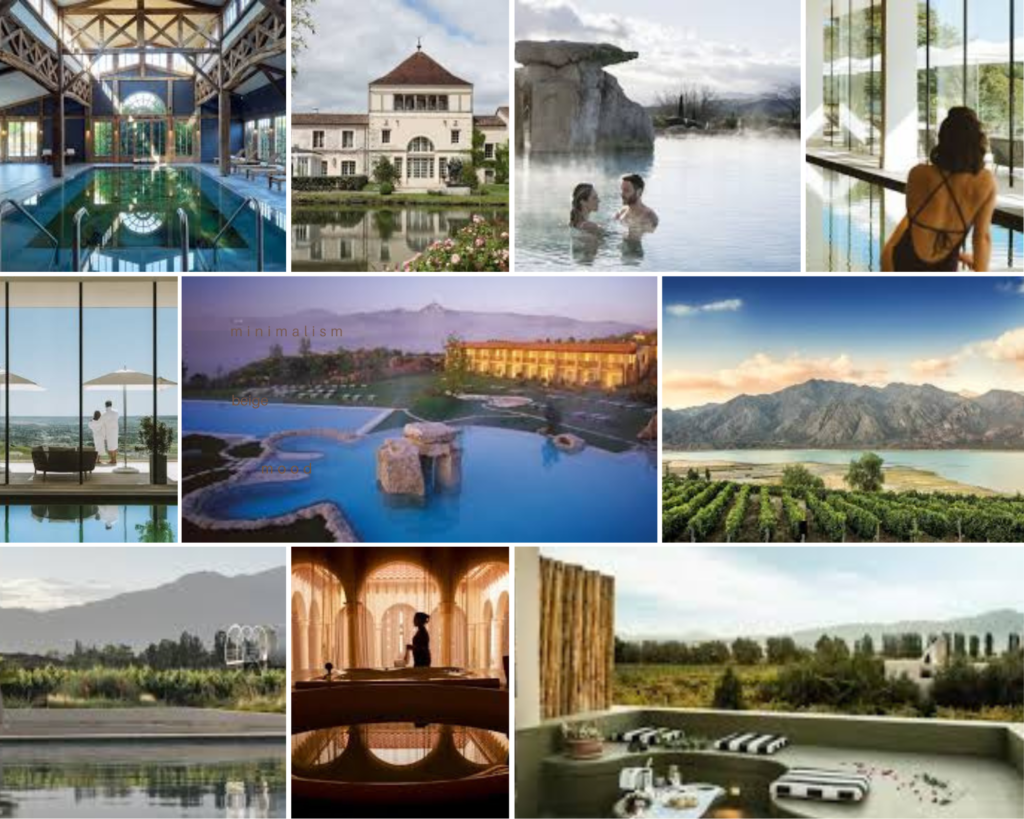
Wine spas sit at the intersection of wellness and terroir. Drawing on vinotherapy, treatments that use grape skins, seeds, vine extracts, and mineral‑rich waters, they offer an experience that is restorative rather than performative. These destinations don’t simply pamper; they recalibrate.

Part One of this two‑part series explores five of the world’s most iconic wine spas, each offering a January escape that blends vineyard culture, spa science, and place‑driven calm.

  1. Les Sources de Caudalie – Bordeaux, France

Why Les Sources de Caudalie leads the category

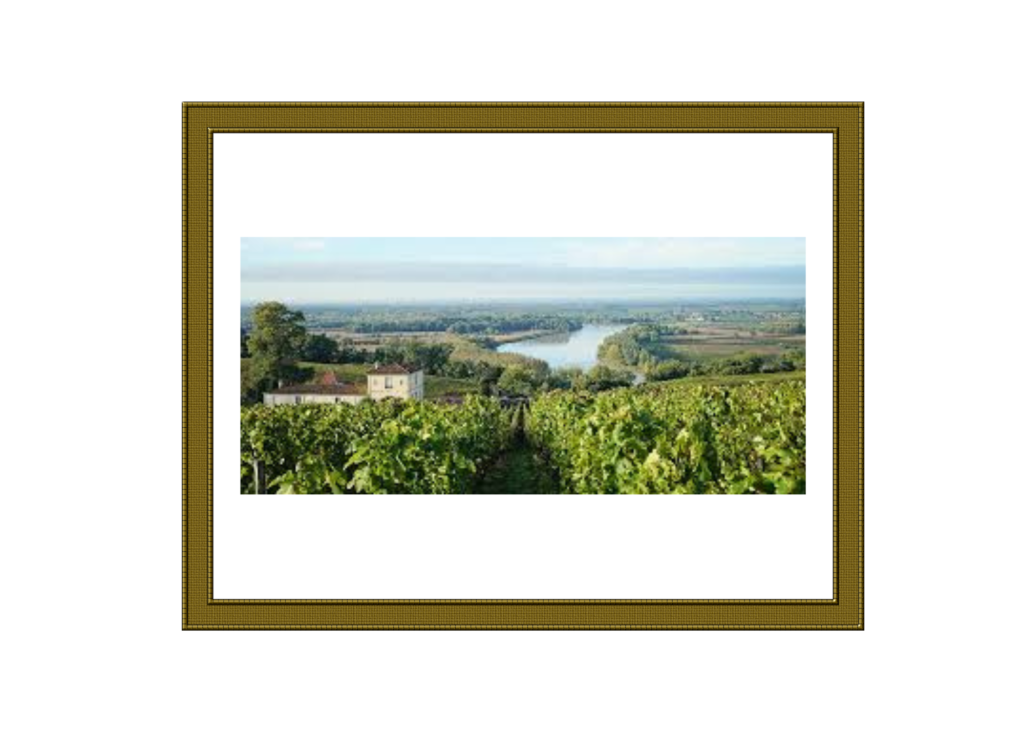
Often cited as the birthplace of modern vinotherapy, Les Sources de Caudalie is woven into the vineyards of Château Smith Haut Lafitte. Treatments are grounded in rigorous research into grape polyphenols and antioxidants, delivering results without theatrics.

Why winter matters here

Winter in Bordeaux is reflective and restrained. With fewer visitors, tastings become conversations, and spa rituals feel deeply personal.

Recommended January–April
3‑night itinerary

A three‑day stay at Les Sources de Caudalie is designed around gentle immersion. Day one begins with arrival among the vines, followed by a vinotherapy bath and grape‑seed body wrap to unwind after travel. Day two balances wellness and wine culture: a morning facial using grape extracts, a private château tasting in the afternoon, and an elegant dinner paired with Bordeaux crus. Day three is deliberately unhurried, with a final spa ritual, a walk through the winter vineyards, and a relaxed lunch before departure – restored rather than rushed.

Website: https://www.sources-caudalie.com

  1. ADLER Thermae Spa & Relax Resort – Tuscany, Italy

Why it’s exceptional

Set in the Val d’Orcia, ADLER Thermae merges ancient thermal bathing traditions with vineyard‑inspired wellness. The landscape includes rolling hills, stone villages, and winter light – quite magical.

Why go early in the year

Steam rises from outdoor thermal pools as frost settles over the vineyards, creating one of Tuscany’s most cinematic winter moments.

Recommended February–April
3‑night itinerary

At ADLER Thermae, three days unfold at a Tuscan pace. Day one centres on the thermal pools and a grape‑infused massage, best enjoyed outdoors as steam rises against the Val d’Orcia hills. Day two ventures beyond the spa with a guided Brunello di Montalcino tasting, returning for vinotherapy facials and yoga. The final day is reserved for slow rituals – thermal soaking, countryside walks, and a long, unhurried Tuscan lunch that allows body and mind to recalibrate before departure.

Website: https://www.adler-thermae.com

  1. Royal Champagne Hotel & Spa – Champagne, France

Why it belongs on this list

Royal Champagne redefines Champagne tourism through wellness. The spa is contemporary and expansive, with vineyard panoramas that reframe the region beyond celebration.

Why visit early in the year

The region slows dramatically after the holidays, offering intimate cellar visits and uninterrupted spa time.

Recommended January–April
3‑night itinerary

A three‑day escape at Royal Champagne blends restraint with indulgence. Day one begins with the thermal spa circuit and a sunset aperitif, followed by dinner overlooking grand cru vineyards. Day two pairs a private Champagne house visit with a bespoke spa treatment, ending with an elegant dégustation dinner that reframes Champagne as contemplative rather than celebratory. Day three offers a final swim, a leisurely breakfast with vineyard views, and a late checkout—proof that winter in Champagne is as much about calm as sparkle.

Website: https://www.royal-champagne.com

  1. Entre Cielos Wine Hotel & Spa – Mendoza, Argentina

Why Entre Cielos Wine Hotel & Spa stands out

Entre Cielos blends modern design with traditional vinotherapy against the dramatic backdrop of the Andes. Treatments highlight Malbec grape extracts and regional ingredients.

Why this season is ideal

It’s midsummer in the Southern Hemisphere. Vineyards are vibrant, and wellness is paired with energy rather than hibernation.

Recommended January–April
3‑night itinerary

Three days at Entre Cielos capture Mendoza’s energy and elegance. Arrival day includes a grape‑seed scrub and a Malbec‑inspired wine bath to ease into the rhythm of the Andes. Day two explores high‑altitude wineries, followed by a traditional hammam ritual that blends heat, water, and aromatherapy. The final day slows the pace with a vineyard‑view breakfast, light spa treatments, and time to absorb the mountain landscape before departure.

Website: https://www.entrecielos.com

  1. Awasi Mendoza — Argentina

Why Awasi Mendoza is a classic

A Relais & Châteaux property where spa treatments are discreet, personalized, and inseparable from the surrounding vineyards.

Why the early‑year months shine

Warm evenings, private plunge pools, and alfresco dining elevate the sensory experience.

Recommended January–April
3‑night itinerary

A three‑day stay at Cavas Wine Lodge is intimate and deeply personal. Day one begins with an arrival massage and private wine tasting as the Andes glow at dusk. Day two is devoted to vineyard exploration and spa immersion, alternating between Malbec‑focused treatments and long, leisurely meals. The final morning is intentionally quiet – breakfast overlooking the vines, a final soak, and a departure that feels unhurried and complete.

Website: https://www.cavas-wine-lodge.com

These first five wine spas share a seductive commonality: they treat wine not as ornament, but as a tactile, transformative material. The winter months, with their instinct for pared‑back beauty, only heighten their allure. Each destination leans into a kind of quiet luxury – treatments infused with craft, spaces washed in intentional light, and an atmosphere where refinement feels less performed than lived‑in and luminous.

Part Two continues the journey, shifting to Portugal, Spain, Burgundy, and California, where wine spas offer a different expression of wellness shaped by history, architecture, and landscape. Stay tuned!

Historic Shake-Up: Château Lafleur Exits the Pomerol Appellation

Château Lafleur announced a few days ago that it is withdrawing from both the Pomerol AOC and wider Bordeaux designation from the 2025 vintage, with all six wines in the Société Civile du Château Lafleur group set to become Vins de France.

Here are some excerpts from the Guinaudeau family Letter:

“Climate is changing fast and hard, that much is clear. The vintages 2015, 2019, and above all 2022, were all strong evidence of that. 2025 goes a step further. We must think, readapt, act.”

“Our decision-making and the resulting practices are in fact evolving much faster than what is authorised in our Appellations of Origine system.”

“Consequently, while maintaining the utmost respect for our fellow producers and the appellations of Pomerol and Bordeaux, we have decided to cease adhering to the appellations of Pomerol and Bordeaux beginning with the 2025 vintage.”

“The six wines of Société Civile du Château Lafleur will be designated as Vin de France beginning with the 2025 vintage.”

Barton & Guestier Unveils Limited-Edition Côtes de Provence “Tourmaline” in Collaboration with Isaure Atelier

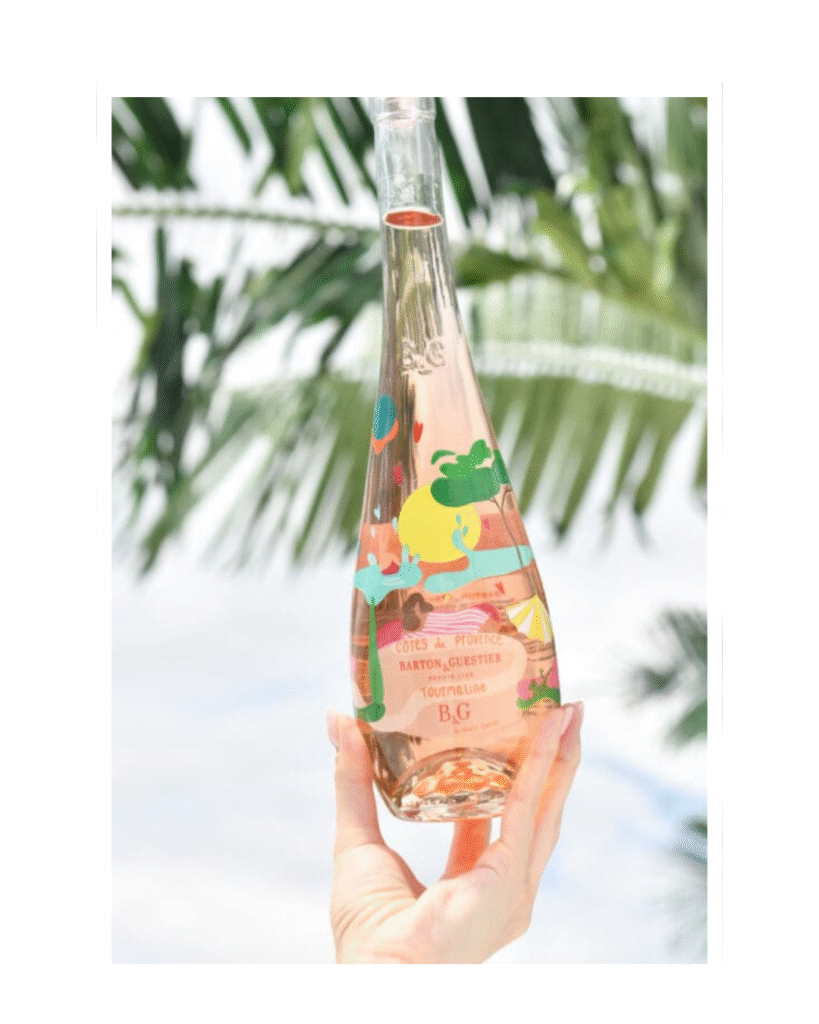
Barton & Guestier (B&G), one of Bordeaux’s oldest wine houses, celebrating 300 years of French winemaking history, announces the release of the limited-edition Côtes de Provence “Tourmaline” 2024, created in collaboration with Montreal-based French artist Isaure Atelier. Known for her instinctive, expressive style, Atelier brings a fresh, vibrant interpretation to the iconic B&G bottle, all while capturing the spirit of the Mediterranean in a collectible design.

A self-taught artist based between Montreal and Paris, Isaure Atelier is recognized for bold forms, radiant palettes, and feminine, sensual silhouettes. For this special edition, she drew inspiration from the delicate hues of rosé quartz and the sun-drenched landscapes of southern France. The result is a 100% screen-printed, tailor-made design that transforms “Tourmaline” into a work of art—instantly recognizable on the shelf and deeply expressive in hand.

“I love to live life through colourful creations,” says Isaure Atelier. “When Barton & Guestier invited me to design for this special edition, I immediately imagined the warmth of Provence, the elegance of the French Riviera, and the feeling of sharing summer apéritifs under the sun. “That’s the story I wanted to tell through the artwork.”

The 2024 vintage stays true to “Tourmaline’s” signature character, showcasing a delicate pale pink hue and a vibrant aromatic profile of ripe peach, apricot, and crisp apple, layered with notes of raspberry and pomegranate. On the palate, it’s fresh, lively, and beautifully balanced, finishing clean with a lingering touch of red fruit, a true collector’s item for rosé lovers and design enthusiasts alike.

Building on the success of the previous vintages, which earned Double Gold at The Fifty Best Rosé and Grand Gold at the Concours Mondial de Bruxelles, the 2024 vintage arrives as French rosé continues to dominate the U.S. market, growing at an average annual rate of 5% since 2019.

“B&G ‘Tourmaline’ reflects the best of who we are: timeless yet modern, rooted in tradition while always evolving,” says Carlos Varela, CEO of Barton & Guestier. “Collaborating with Isaure Atelier allowed us to bring that vision to life in a way that celebrates both art and wine. As the rosé category continues to thrive, we’re proud to offer a release that marries exceptional craftsmanship with meaningful, beautiful design.”

Bordeaux Launches “Wine By The Glass” To Captivate the Next Generation

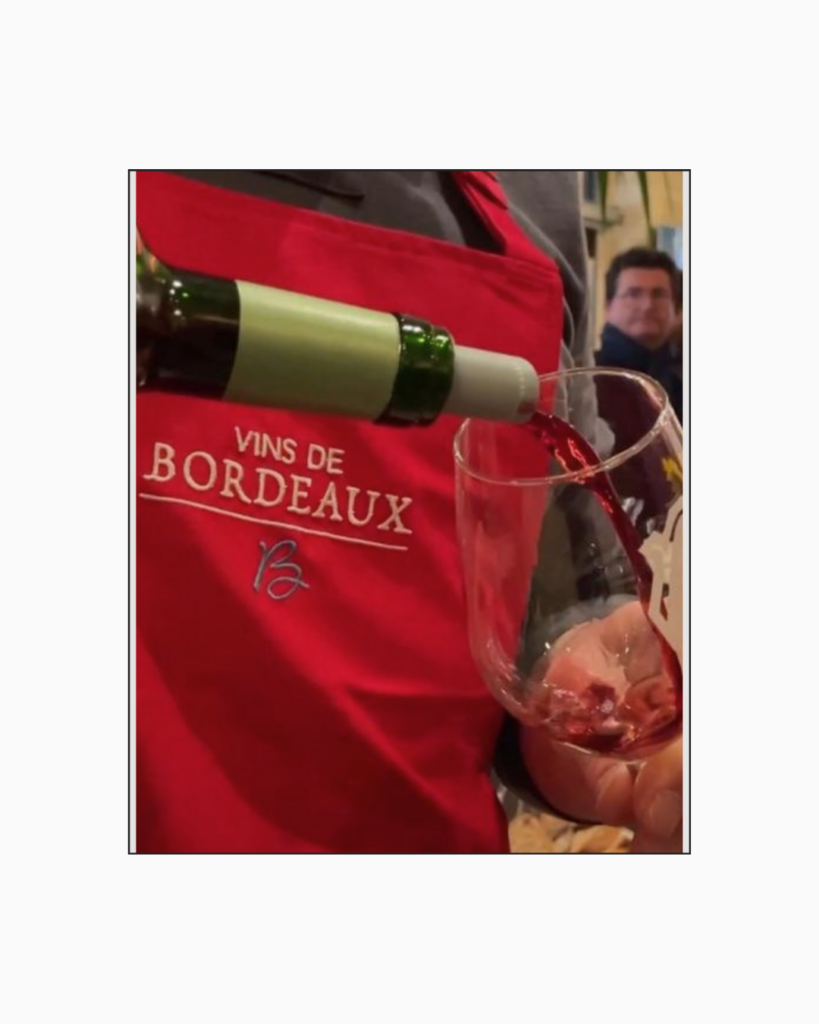
Bordeaux is launching a new campaign aimed at encouraging wine consumption by the glass, as the region faces declining exports, shifting consumer preferences, and growing competition from beer. The initiative, called “Bordeaux se met au verre” (“Bordeaux by the glass”), is being rolled out across approximately 100 bars and restaurants in the city. Each participating venue will receive a €250 promotional kit if they commit to offering at least three wines by the glass, including one organic option and one priced at €5 or less.

The campaign is being led by Bordeaux’s Green mayor, Pierre Hurmic, who said the goal is to modernize the image of Bordeaux wines and make them more accessible to younger consumers. “We want to rejuvenate the image of Bordeaux’s wines,” Hurmic said. “It’s also about making the people of Bordeaux and the four million tourists who come here each year more aware of the variety of our wines, not just reds, but whites, rosés and sparkling crémants.”

The move comes as Bordeaux’s traditional full-bodied red wines are losing ground to lighter styles such as Pinot Noir from Burgundy. At the same time, overproduction has forced some growers in the region to uproot vines due to falling demand. Younger French drinkers are increasingly turning to beer, which is often cheaper and perceived as more casual.

Christophe Chateau of the Conseil Interprofessionnel du Vin de Bordeaux (CIVB) said that changing habits in restaurants are also affecting wine sales. “Sales of bottles of wine in restaurants have fallen as people are drinking less and more now order glasses, especially couples when one wants red and the other white,” he said. “You see a lot of Bordeaux wines by the bottle on restaurant wine lists, but not so many by the glass.”

To support the campaign, the Bordeaux Wine School will offer training for restaurant staff on how to properly store and serve wine by the glass. The use of wine-on-tap systems is also being considered as a way to reduce waste and maintain quality.

Lunch Wines at The Bordeaux Grands Crus Classés 2020-2023 [London]

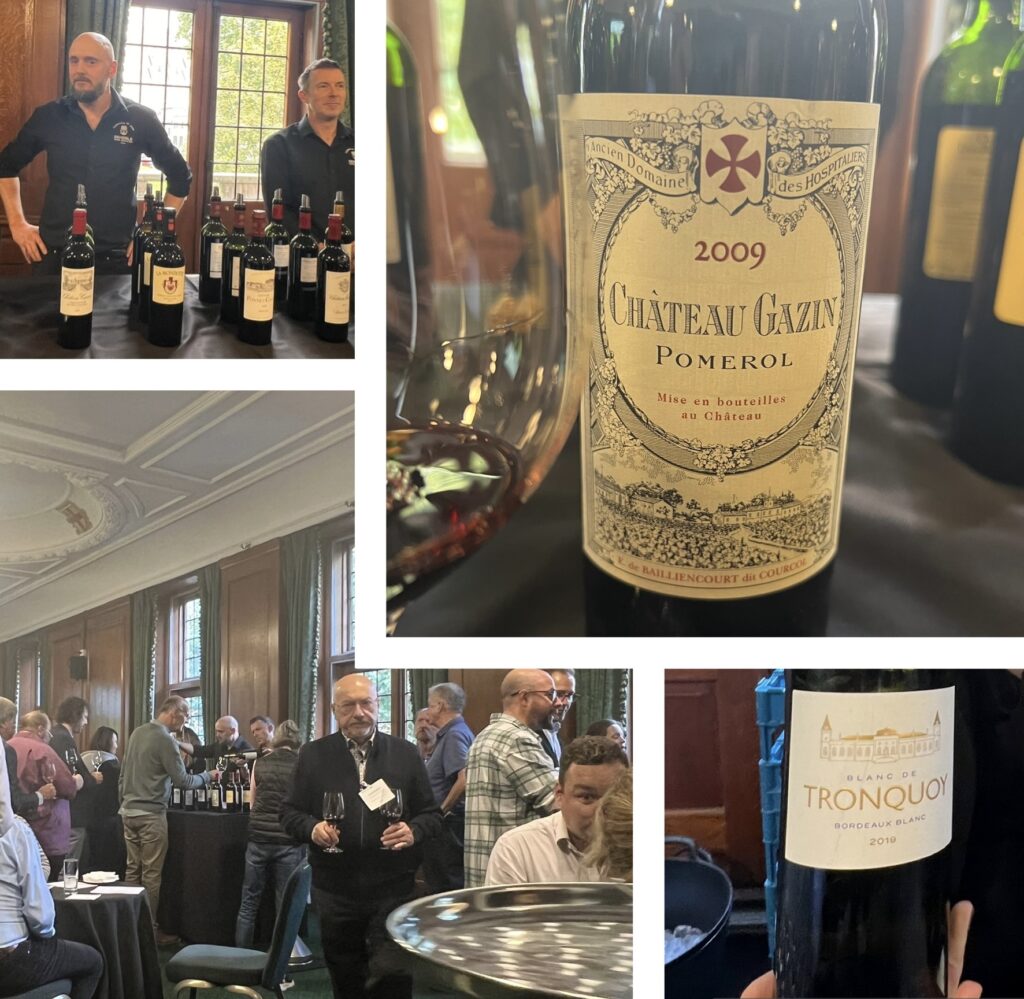
The Bordeaux Grands Crus Classés tasting, held yesterday at the historic Church House in London, brought together key figures from the wine industry—journalists, sommeliers, and wine trade professionals. Lunch showcased a selection of Bordeaux’s iconic appellations, including Pomerol, Saint-Estèphe, Sauternes, Saint-Julien, Pessac-Léognan, Saint-Émilion, Pauillac, and Margaux with vintages from 2008 to 2019.

The white wines provided a refreshing prelude to the reds, exhibiting the precise craftsmanship of Bordeaux winemakers in their balance of acidity, fruit expression, and oak integration. Notably, the 2019 Château Tronquoy Blanc (Magnum) from Saint-Estèphe impressed with its elegance and minerality, while the 2010 Château Guiraud 1er Grand Cru Classé from Sauternes offered the hallmark sweetness and complexity characteristic of top-tier dessert wines.

The red wines took center stage, offering a tour de force of Bordeaux’s diverse terroirs and winemaking styles. The lineup included:

2017 Château Branaire-Ducru (Saint-Julien), exhibiting fine tannins and a fresh, vibrant finish.

2016 Château Smith Haut Lafitte (Pessac-Léognan), with notes of black fruit and tobacco, showcasing its structured elegance.

2016 Château Canon (Saint-Émilion),and 2016 La Mondotte (Saint-Émilion), representing the rich, powerful styles of Saint-Émilion.

2016 Château Pontet-Canet (Pauillac), with its signature depth and concentrated flavors.

2015 Château Montrose (Saint-Estèphe), which stood out as a personal favorite, revealing an impeccable balance of bold fruit, earthiness, and a long finish—epitomizing the power of Montrose.

2014 Château Rauzan-Ségla (Margaux), offering elegance and finesse.

2009 Château Gazin (Pomerol), another standout with its lush, velvety texture and layers of complexity—a highlight of the tasting.

2008 Château Léoville Poyferré (Saint-Julien), with its refined structure and aging potential.

My personal favorites from this exceptional tasting were the 2009 Château Gazin from Pomerol and the 2015 Château Montrose from Saint-Estèphe, each offering distinct profiles that perfectly showcased the diversity of Bordeaux’s terroirs.