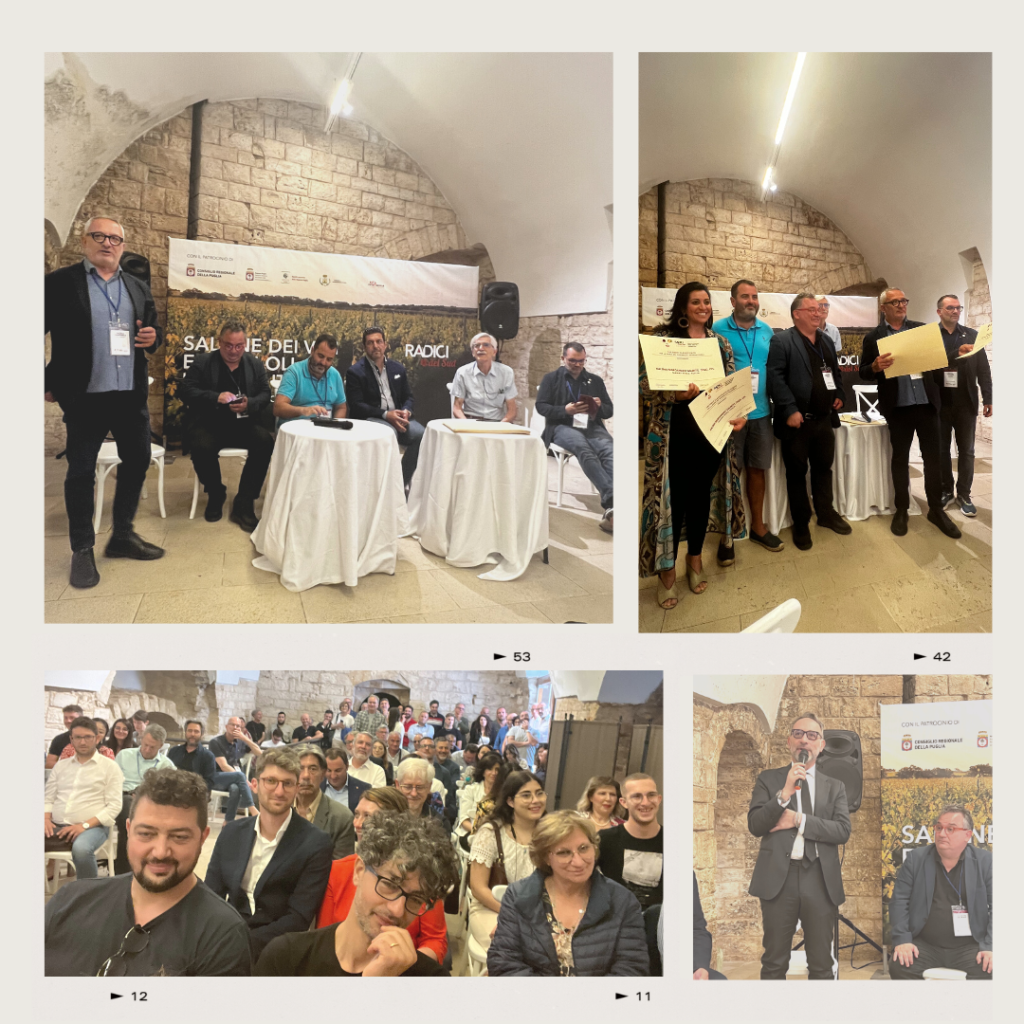
The 2025 Edition of Regina Ribelle – Vernaccia di San Gimignano Wine Fest Successfully Concluded!

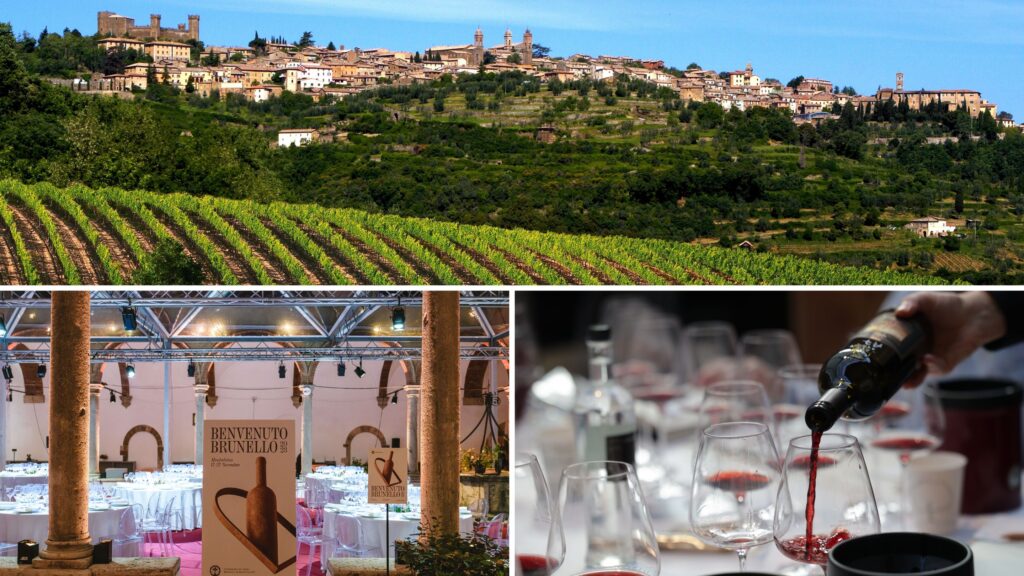
The 2025 edition of Regina Ribelle—Vernaccia di San Gimignano Wine Fest concluded triumphantly, reaffirming its status as a pivotal wine event in Italy’s calendar. Dedicated to Vernaccia di San Gimignano, the historic white wine [the ‘White Queen’] in a land of reds, the festival drew over 1,500 visitors to the medieval streets of San Gimignano for a multi-sensory journey through tastings, seminars, and cultural encounters.

Strongly promoted by the Consorzio del Vino Vernaccia di San Gimignano, in collaboration with the Municipality of San Gimignano, the festival featured 34 wineries, facilitating over 10,000 tastings across the two-day celebration. The program extended beyond wine to include masterclasses, gastronomic pairings with Tuscan delicacies, and family-friendly entertainment.

An important highlight was the Best Sommelier of Tuscany competition—organized by the Italian Sommelier Association (AIS)—with Luca Marchiani receiving top honours.

From an industry standpoint, the event served as a crucial platform for media engagement. Over 80 international and Italian journalists, including myself, were hosted for exclusive press days (May 15–16), which featured technical tastings and curated winery visits. The gala dinner, held in the breathtaking historic Piazza del Duomo, was curated by Chef Gaetano Trovato of the two-Michelin-starred Arnolfo Ristorante.

Adding a cultural dimension, the unveiling of a sculpture by renowned Tuscan artist Andrea Roggi underscored the connection between Vernaccia and the arts, both classical and contemporary.

The 2024 Vintage

The 2024 vintage marks a return to productivity after the decline of 2023. Despite a rainy September that delayed the harvest, the results were notably elegant. Vernaccia di San Gimignano demonstrated once again its remarkable adaptability to its native territory. In terms of numbers, the 2024 harvest produced 5,904,698 kg of grapes for Vernaccia di San Gimignano DOCG wine, equating to 4,069,843 litres of wine, with a 44.18% increase compared to the previous year. The number of bottles released to the market is 3,670,357.

“We are extremely pleased with the great public response at this 2025 edition of Regina Ribelle – Vernaccia di San Gimignano Wine Fest. It was truly exciting to see so many people—journalists, tasters, professionals, and wine lovers—come together to celebrate this unique wine, a symbol of an extraordinary region. Our heartfelt thanks go to everyone who believed in this challenge alongside the Consorzio, from the authorities and producers to local businesses and communities, contributing to an event that celebrates a truly unique Denomination: eight centuries of history looking decisively toward the future. Regina Ribelle is now an unmissable event in the wine world, a moment to narrate Vernaccia di San Gimignano as the oldest white wine in our region.

This festival represents not only a great celebration and an ode to the ‘Beauty’ of Vernaccia di San Gimignano but also an opportunity to reinforce the bond between tradition and the future, celebrating its identity and its central role in the Tuscan and national wine scene. Let’s not forget that in 2026, we will celebrate 750 years of this denomination in the territory and 60 years as Italy’s first DOC—a truly unique milestone,” commented Irina Strozzi, President of the Consorzio del Vino Vernaccia di San Gimignano.

The next edition of Regina Ribelle – Vernaccia di San Gimignano Wine Fest will occur from May 14 to 17, 2026, in San Gimignano.

Academic Study Forecasts Wine Industry Revival by 2026

A recent study by the University of Bordeaux and the University of Verona suggests the wine industry could see a recovery starting in 2026. The research used Italian wine producer Masi as a case study. A few weeks ago, an academic research paper “Resilience and preparation for the next cycle of global wine consumption. Masi: an original case study” was presented in Milan by Jean-Marie Cardebat, Professor of Economics at the University of Bordeaux, Director of the ECOr Research Department, Affiliate Professor at INSEEC Grande École and Director of the Wines & Spirits Chair in Paris, together with Davide Gaeta, Professor and lecturer in wine business economics and agri-food markets and competitiveness – Department of Management – University of Verona.

Professor Cardebat explained that economic cycles have always influenced global wine consumption. While current economic and geopolitical challenges have caused a decline in the market, he believes that controlling inflation could lead to a turning point in 2026. He also predicted that 2027 might mark the start of a recovery phase with sustained growth for the wine sector. However, he emphasized that this recovery would not replicate past market conditions. Changes in consumer behavior and new trends will shape the next phase of the industry.

Professor Cardebat also highlighted the importance of premiumization, with consumers increasingly seeking quality and high-value wines. He stressed the need for wineries to invest in brand development and enhance consumer experiences, such as wine tourism, which has grown significantly in recent years. He also noted that emerging markets might drive a renewed interest in red wine, which has declined in Europe.

Professor Gaeta outlined key factors for resilient wine companies to thrive in international markets. These include having a strong organizational structure, transparent information management, and strategies to diversify product offerings. He emphasized the importance of flexibility in responding to changing demand, both in grape supply and product range. Gaeta also pointed out that segmenting distribution and maintaining a diverse presence in global markets can help mitigate risks and create growth opportunities.

Additionally, Professor Gaeta noted that competitiveness in the wine industry can be strengthened through attention to corporate identity, strategic marketing, and innovation focused on sustainability. Both professors agreed that adapting to new consumer preferences and market conditions will be essential for the wine industry to navigate future challenges and opportunities.

Wine Industry Data: 2023 Europe Wine Consumption

In 2023, EU member states accounted for 48% of global wine consumption, totalling 107 million hectolitres. This volume marked a slight decline of 1.8% compared to 2022. Nevertheless, this consumption level was over 5% below the decade-long average, as the industry faced several challenges.

Source: OIV

The 10 Most Expensive Wines in the World

Few things in the world improve in quality and value with age. Aged wine is one of those things, defined by elegance, rarity and finesse. If you are drawn to the thrill of owning something truly one of a kind, this niche market will certainly appeal to you.

We’ve all heard the expression “aging like a fine wine,” so you may not be surprised to learn seven of the 10 most expensive wines in the world are from 1947 or earlier. That includes three bottles that date back to the 18th century. No need to check the “best before” date.

Rank Wine Year Country Price
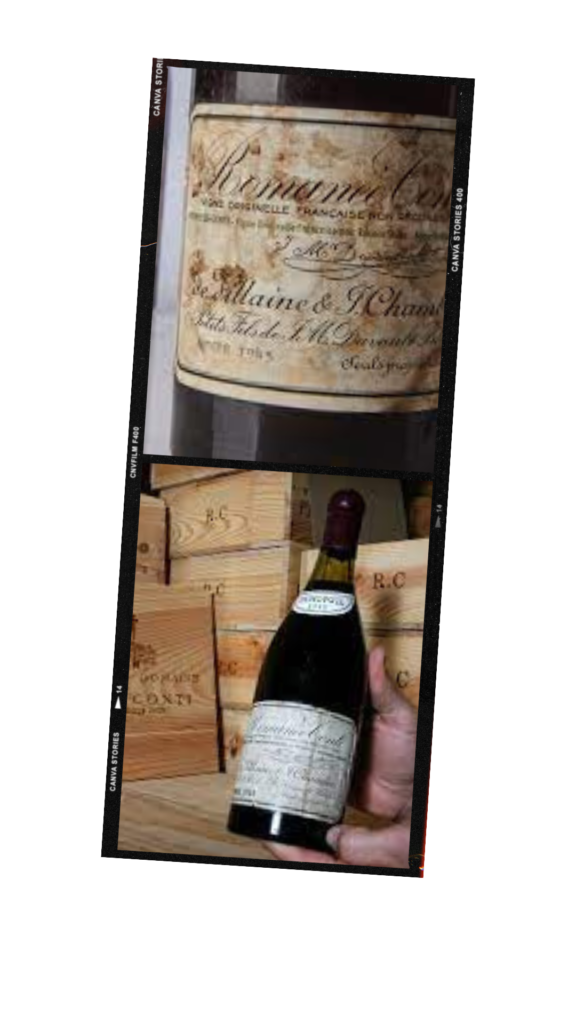
1 Domaine de la Romanee-Conti Grand Cru 1945 France $558,000
2 Screaming Eagle Cabernet Sauvignon 1992 United States $500,000
3 Jeroboam of Chateau Mouton-Rothschild 1945 France $310,700
4 Cheval Blanc 1947 France $304,375
5 Château Lafite 1869 France $230,000
6 Château Margaux 1787 France $225,000
7 Ampoule from Penfolds, Block-42 Cabernet Sauvignon 2004 Australia $168,000
8 Chateau Lafite Rothschild 1787 France $156,450
9 Henri Jayer, Vosne-Romanée Cros Parantoux 1999 France $136,955
10 Massandra Sherry de la Frontera 1775 Spain $43,500

France leads the way for luxury wines
What conclusions can we draw from the list? We all already knew that they like their wine in France, so the fact they produce the most expensive wines around won’t come as a huge shock.

Seven of the top ten most expensive wines ever sold hail from France, although special mention must go to the United States’ own Screaming Eagle Cabernet Sauvignon, made in Napa Valley in 1992. Only 175 cases were produced at a time when Screaming Eagle Cabernet hadn’t yet established itself as a premium wine producer.

Source: https://sothebysrealty.ae/

South African wine industry delivers exceptional harvest despite climatic challenges

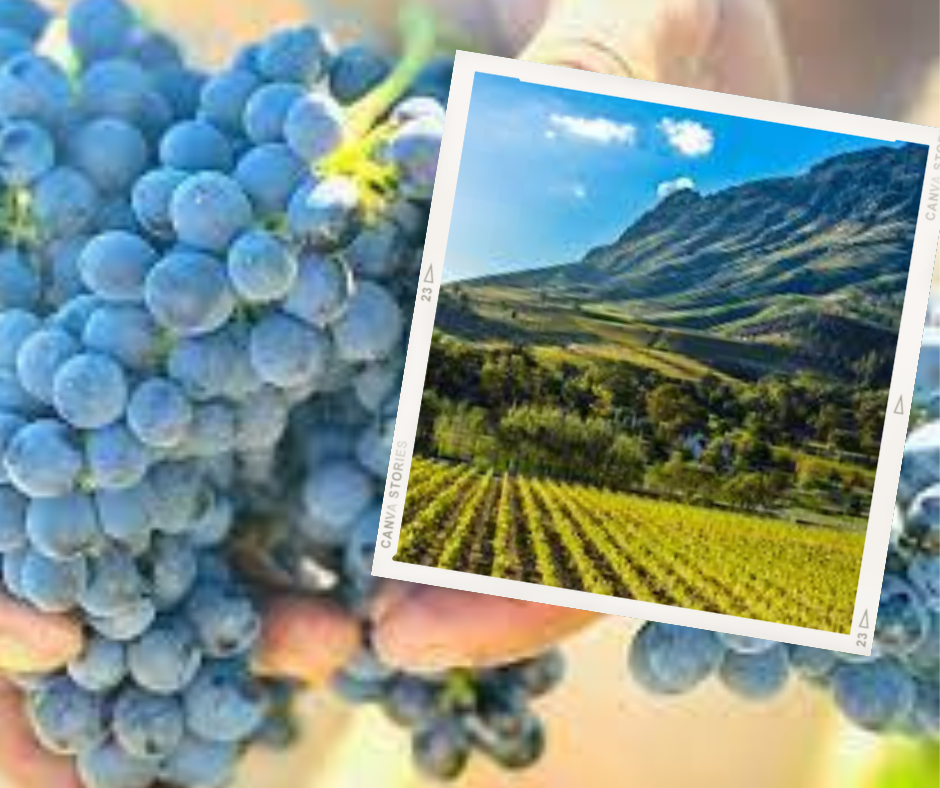
Despite facing frost, floods, and unpredictable weather, South African wine producers have delivered an exceptional 2024 harvest, according to a recent report. This season showcases the industry’s adaptability and resilience, promising wines of outstanding quality.

The current report indicates that’s that the 2024 harvest season has been a journey defined by meticulous planning, and the adaptability of wine producers in response to diverse climatic challenges and disruptions.

According to South Africa Wine, harvesting season was a true test of the South African wine industry’s resilience. “Despite facing diverse and demanding climatic events, from frost and heavy winter rainfall to floods and wind, the industry’s adaptability and nimbleness transformed this harvest into one of the most remarkable in recent memory,” South Africa Wine said in a statement.

“With optimal ripening tempo, small berries and moderate, dry conditions during harvest, the stage is set for wines of unparalleled excellence to supply the domestic and more than 120 global markets,” they further added.

Vinpro consultation services manager Dr Etienne Terblanche said excellent winter conditions in most wine-grape growing regions raised high expectations for the harvest.”

“One of the standout aspects of this season was the exceptional sanitary condition of the grapes – a rarity in rainy harvest seasons and a testament to the industry’s resilience and adaptability,” he further said.

South Africa Wine chief executive officer Rico Basson said the 2023/2024 season may have presented its share of obstacles, but it has also showcased the resilience and determination of the South African wine industry.

“This industry stands resilient, with our wine stock now in equilibrium. Despite fluctuations in harvest yields and vineyard surface areas, we are primed and prepared to supply the world with exceptional quality and distinctive wines,” Basson expressed.

“The South African wine industry is undergoing a strategic repositioning, shifting our focus to value growth. Through reinvestment for growth and collaborative strategies, we are forging a path to strengthen our industry and propel us towards a future of quality, innovation, and sustainability,” he said.
The 2024 grape harvest yielded 1,099,051 tonnes from 87,848ha, a 7% decrease from 2023, according to SAWIS. This, combined with strong market demand, has balanced the industry’s wine stock levels, unlike some competitors who face a surplus and drastic measures like uprooting vineyards. Lower volumes create cost pressures, but they also support the sector’s commitment to value growth.

The total wine harvest, including juice and concentrate for non-alcoholic purposes, wine for brandy and distilling, is estimated at 857m litres, with a recovery rate of 780 litres per tonne of grapes.

Early cultivars had lighter yields across most regions, while later red cultivars generally improved. Winemakers are optimistic about the overall quality, especially full-bodied red wines with excellent colour and tannin extraction. White wines are expected to be fresh with ample texture.

South Africa is the world’s seventh-largest wine producer, contributing about 4% of the world’s wine. The industry adds more than R56.5bn to the country’s GDP and employs 270,364 people across the value chain, including 85,962 on farms and in cellars.

Regional Production Highlights:

Breedekloof: Optimal grape analyses and good colour in red wines.

Cape South Coast: Healthy grapes due to low rainfall during harvest, with good quality despite lower juice recoveries.

Cape Town: Good flavour intensity in white wines and promising colour development in red wines.

Klein Karoo: High rainfall and good wine quality, highlighting the importance of rainfall timing.

Northern Cape: Riper, tropical wine profile with better-than-expected quality in red cultivars.

Olifants River: Despite flood damage, yields matched the previous season, with disease control methods improving wine quality.

Paarl: A wet and cold winter followed by a hot January affected crop size, but the region saw good variation in yields and wine quality.

Robertson: High humidity challenged early cultivars, but overall grape health and wine quality were good.

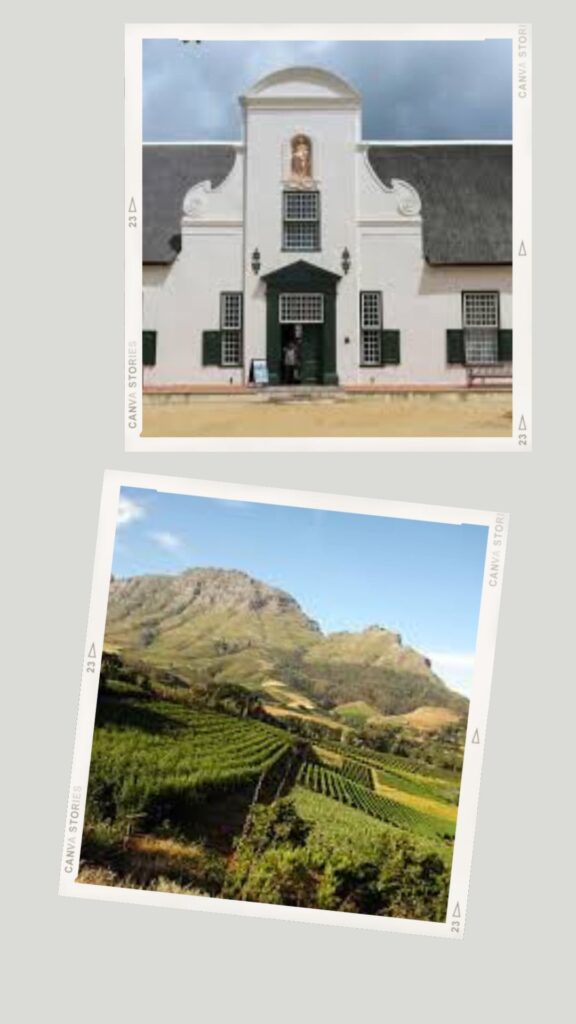
Stellenbosch: Significant early rainfall followed by a dry summer led to lighter yields for early cultivars, but good grape quality.

Swartland: Despite a lighter yield, the quality of grapes was good, especially for red wines.

Worcester: Optimal ripeness and sugar levels in most grapes, with improved colour development in red cultivars. New plantings are enhancing the region’s red wine output.

Source: https://www.wosa.co.za/