The Twelve Pievi: How Tuscany’s Historic Wine Region Is Redefining Excellence After Three Decades

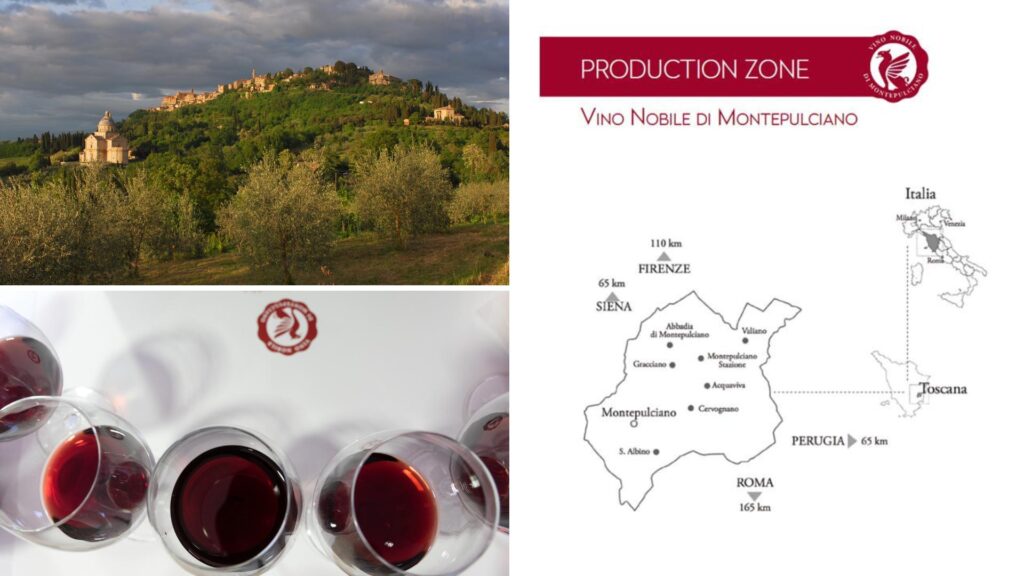
In the heart of Tuscany, where time moves at its own leisurely pace, the historic town of Montepulciano celebrates a remarkable milestone in 2025. While thirty-one years may seem minor against the backdrop of a town preserved since the 16th century, the evolution of Vino Nobile di Montepulciano during this period tells a story of extraordinary growth and transformation. Since establishing the Anteprima event in 1994 to showcase market-ready vintages, the Consortium has seen production volumes and membership nearly double. The 31st edition of the Preview returns to honor its rich heritage while embracing the future, continuing the legacy of an appellation with winemaking traditions dating back to Etruscan times.

The Renaissance of Traditional Terroir
The custodians of Montepulciano’s viticultural heritage have achieved a masterful balance between innovation and tradition, preserving the essence of their craft while adapting to modern challenges. Their meticulous stewardship extends beyond the vineyards to the entire ecosystem—landscapes, architecture, and cultural practices are carefully maintained as living tributes to ancestral accomplishments.

The 2025 market debut of the prestigious Pieve classification marks the culmination of years of dedicated research and development. Following the Consortium’s approval in 2023 and the Italian National Wine Committee’s final endorsement on October 10, 2024, these exceptional wines have reached shelves with the publication of regulations in the February 5, 2025 Official Journal. The 2021 vintage—the first to carry the distinguished Pieve designation—exemplifies the region’s commitment to geographical authenticity and production excellence.

These twelve Additional Geographic Units (UGAs) honor ancient parish divisions that date back to the Roman and Lombard eras, creating a direct connection between contemporary winemaking and historical territorial organization. Only wines produced with at least 85% Sangiovese grapes grown and bottled by the same estate within a specific Pieve boundary may bear this prestigious label. Quality control remains paramount, with the Consortium establishing an internal commission of technical experts to ensure compliance with rigorous specifications before certification.

Industry professionals surveyed by Nomisma project retail prices for these premium offerings to range between 40-70 euros, with exceptional bottles commanding 70-100+ euros. The market acknowledges the unique value proposition, with respondents emphasizing Montepulciano’s “strong identity and tradition,” “superior quality,” and the “prestige of the brand” as key differentiators. Wine enthusiasts now can explore these distinctive terroirs through comparison tastings, enhanced by the Consortium’s innovative ’12 Pievi’ web series documenting the unique characteristics of each historical parish zone.

Montepulciano’s forward-looking approach extends beyond geographical classification to embrace sustainability initiatives. As the first Italian denomination to receive Equalitas certification in May 2022, the region upholds strict environmental standards by measuring carbon and water footprints while promoting socio-economic equity. A sophisticated network of 50 meteorological stations provides critical data for ongoing climate adaptation strategies.

Where History and Viticulture Converge
Nestled on limestone hills that divide the Val di Chiana from Val d’Orcia, Montepulciano stands as a living testament to centuries of artistic, architectural, and agricultural achievement. Visitors wandering its cobblestone streets encounter Etruscan relics, Renaissance palazzos, ornate religious sanctuaries, and thriving artisanal traditions. The magnificent Piazza Grande, with its 17th-century Duomo, serves as the gravitational center, while the San Biagio sanctuary forms a stunning gateway to the iconic cypress-lined valleys that define the quintessential Tuscan landscape.

The Consortium has enhanced the visitor experience through the introduction of the “Pilgrimage to Montepulciano’s Pievi,” an immersive journey combining walking tours of historic parish territories with evening tastings of their distinctive wines. This multisensory experience invites travelers to engage deeply with the region’s terroir—physically traversing the landscape while savoring its enological expressions.

The economic significance of Vino Nobile di Montepulciano is profound, with the industry valued at approximately one billion euros in combined assets, revenue, and production capacity. Average annual production value reaches 65 million euros, forming the cornerstone of a local economy in which 70% of activity is directly related to viticulture. Of the 16,500 hectares of municipal territory, vineyards occupy 2,000 hectares—including 1,200 hectares dedicated to Vino Nobile DOCG and 390 hectares to Rosso di Montepulciano DOC. The industry supports roughly 1,000 permanent jobs alongside seasonal positions spread across 90 bottling operations and 250 grape producers.

The 2024 market performance highlights continued growth, with 6.7 million bottles of Vino Nobile and 2.3 million bottles of Rosso reaching consumers. Export markets account for 65.5% of production, with Germany (37%) and the United States (28%) leading international demand. Particularly noteworthy is the increasing preference for organic certification, representing 44.7% of domestic sales and exceeding 50% of international transactions.

For wine lovers seeking authentic experiences, Montepulciano offers an unrivaled destination where history, culture, and exceptional winemaking converge. Whether exploring medieval alleys, participating in guided tastings, hiking through vine-covered hills, or embarking on parish pilgrimages, visitors are immersed in traditions that honor the past and embrace the future. The Pieve classification represents more than a marketing distinction; it is a profound reconnection with historical identity—a perfect expression of a region that continues to evolve while remaining true to its timeless character.

A Timeless Sanctuary for Wine Lovers
Situated gracefully on gently undulating limestone slopes that form a natural boundary between Val di Chiana and Val d’Orcia, Montepulciano is a living testament to Tuscany’s rich oenological heritage. This captivating medieval settlement occupies a privileged position among Italy’s most celebrated wine regions, embodying the essence of cultural identity. From ancient Etruscan cultivation methods to modern winemaking innovations, Montepulciano’s terroir has seen the evolution of viticulture over millennia, solidifying its status among Tuscany’s revered wine sanctuaries.

More than just a production zone, Montepulciano serves as an immersive open-air museum chronicling the region’s enduring connection to viticulture. The town attracts discerning enophiles and cultural travelers from around the globe, each seeking the harmonious blend of historical significance and vinous excellence that defines this remarkable destination.
The charming historic center reveals layers of architectural and artistic achievement, including prehistoric Etruscan artifacts, magnificent Renaissance palazzos, consecrated sanctuaries adorned by master painters, classical performance venues, and thriving workshops that preserve traditional craftsmanship. Every cobblestone and archway contribute to Montepulciano’s unique charm, inviting visitors to lose themselves in its timeless allure. Here, amidst this splendid tapestry of historical and aesthetic treasures, wine serves as the ultimate ambassador—a masterful interpreter of Tuscany’s magnificent landscape. Through each glass of this noble elixir, visitors embark on a sensory journey that bridges past and present, terroir and tradition, celebrating Montepulciano’s enduring legacy as a sanctuary for those who value the profound relationship between place, culture, and exceptional winemaking.

Filippo Magnani

Academic Study Forecasts Wine Industry Revival by 2026

A recent study by the University of Bordeaux and the University of Verona suggests the wine industry could see a recovery starting in 2026. The research used Italian wine producer Masi as a case study. A few weeks ago, an academic research paper “Resilience and preparation for the next cycle of global wine consumption. Masi: an original case study” was presented in Milan by Jean-Marie Cardebat, Professor of Economics at the University of Bordeaux, Director of the ECOr Research Department, Affiliate Professor at INSEEC Grande École and Director of the Wines & Spirits Chair in Paris, together with Davide Gaeta, Professor and lecturer in wine business economics and agri-food markets and competitiveness – Department of Management – University of Verona.

Professor Cardebat explained that economic cycles have always influenced global wine consumption. While current economic and geopolitical challenges have caused a decline in the market, he believes that controlling inflation could lead to a turning point in 2026. He also predicted that 2027 might mark the start of a recovery phase with sustained growth for the wine sector. However, he emphasized that this recovery would not replicate past market conditions. Changes in consumer behavior and new trends will shape the next phase of the industry.

Professor Cardebat also highlighted the importance of premiumization, with consumers increasingly seeking quality and high-value wines. He stressed the need for wineries to invest in brand development and enhance consumer experiences, such as wine tourism, which has grown significantly in recent years. He also noted that emerging markets might drive a renewed interest in red wine, which has declined in Europe.

Professor Gaeta outlined key factors for resilient wine companies to thrive in international markets. These include having a strong organizational structure, transparent information management, and strategies to diversify product offerings. He emphasized the importance of flexibility in responding to changing demand, both in grape supply and product range. Gaeta also pointed out that segmenting distribution and maintaining a diverse presence in global markets can help mitigate risks and create growth opportunities.

Additionally, Professor Gaeta noted that competitiveness in the wine industry can be strengthened through attention to corporate identity, strategic marketing, and innovation focused on sustainability. Both professors agreed that adapting to new consumer preferences and market conditions will be essential for the wine industry to navigate future challenges and opportunities.

Top 10 Countries with the Heaviest Wine Import Tariffs in 2025

Examples of these challenges include the United States’ proposed 200% tariff on European wines, China’s recently lifted 218% tariffs on Australian wines, and the consistently high import duties imposed by emerging markets such as India and Indonesia (OIV, 2024). These key examples illustrate how wine often becomes entangled in broader economic and geopolitical conflicts.

Below are listed [from low to high] the ten most significant wine import tariffs globally, encompassing both Most Favoured Nation (MFN) tariffs and retaliatory measures. Furthermore, distinctions between tariffs imposed on bottled versus bulk wine are discussed where relevant.

1. Russia – 20% on EU wines (potential 200% retaliation) (EU Commission, 2024)

Russia increased its tariff on wines from “unfriendly nations” (mainly the EU, US and UK) from 12.5% to 20% in 2023. This measure, in retaliation for Western sanctions, applies equally to bottled and bulk wine. Russian officials have threatened a 200% protective tariff on EU wines in response to continued sanctions, which would effectively eliminate European wine from the Russian market. Wine from “friendly” nations (e.g., Chile, Armenia, South Africa) continues to enter under lower or duty-free terms.

2. Brazil – 27% MFN tariff on all imported wine (WTO, 2024)

Brazil applies a 27% import duty under the Mercosur Common External Tariff, making it one of the highest base tariffs among major economies. This rate applies to both bottled and bulk wine, with no preferential treatment for large shipments. Additional state and federal taxes often push final retail prices far higher.

3. Morocco – 49% MFN tariff (Moroccan Trade Ministry, 2024)

Morocco imposes an approximate 49% MFN tariff on imported wine. While the European Union benefits from reduced rates due to a trade agreement, non-preferential nations face steep barriers. The tariff applies to all types of wine equally, without distinction between bottled and bulk.

4. Vietnam – 50% MFN tariff (phased reductions for trade partners) (Vietnam Ministry of Trade, 2024)

Vietnam applies a 50% MFN tariff on wine imports. However, it has gradually reduced tariffs for the EU, Australia and Chile through free trade agreements, with European wine set to enter duty-free by 2027. The 50% rate still applies to non-preferential wines, including those from the United States.

5. Indonesia – 90% MFN tariff on all wine categories (Indonesia Trade Authority, 2024)

Indonesia enforces a 90% import duty on all wines, whether bottled or bulk. Additional taxes, including excise duties and VAT, often make wine prohibitively expensive, with retail prices sometimes three to four times the import cost. The high tariff aligns with religious and social restrictions on alcohol.

6. India – 150% tariff on imported wines (Indian Ministry of Commerce, 2024)

India imposes a 150% import duty on all wines, one of the highest rates globally. Though free trade negotiations with the EU and UK are ongoing, no major reductions have been secured. Australia has managed to reduce duties for premium wines through a trade deal, but for most exporters, India remains one of the toughest wine markets due to state-level excise duties that further raise costs.

7. Iraq – 200% tariff on all alcohol imports (Iraqi Trade Authority, 2024)

Iraq levies a 200% import duty on all alcoholic beverages, including wine. This extreme tariff, in place since 2016, is one of the highest globally, effectively tripling the cost of imported wine. There are few exceptions, with only diplomatic imports and some tourism-sector imports avoiding the full tariff burden.

8. United States – Proposed 200% tariff on EU wine (unconfirmed) 

US President Donald Trump has proposed a 200% tariff on European wine in retaliation for EU tariffs on US goods. While this tariff has not been formally imposed, its potential impact would be catastrophic for EU wine exports, as the US remains a key market for European producers. If enforced, it would likely eliminate most European wine sales in the US.

9. Malaysia – 150–250% effective tax on wine (Malaysian Trade Ministry, 2024)

Malaysia employs a complex tax system where import duties, excise taxes, and VAT combine to impose an effective 150% to 250% tax on imported wine. Unlike other countries with simple ad valorem tariffs, Malaysia calculates duties based on alcohol content and volume, making it one of the most expensive markets for wine imports.

10. Egypt – 1,800% MFN tariff on still wine, 3,000% on sparkling wine (WTO, 2024)

Egypt imposes a staggering 1,800% tariff on still wine and 3,000% on sparkling wine, making it the highest import tariff in the world for wine. These tariffs effectively ban foreign wine imports, with only limited exemptions for the tourism sector where a 300% tariff plus VAT applies.

Source:  The Drinks Business UK

Nine Wine Regions Unite to Form “The Global AVA”

A few weeks ago, the Global Artisan Vintners Alliance (Global AVA) was announced, comprising nine prominent wine regions from around the world as its founding members.

The Global AVA has been established with the objective of fostering a mutually beneficial and sustainable alliance among the member regions. This collaboration unites wine regions from various parts of the world, promoting the exchange of experiences and the cultivation of robust relationships among partners. Through this cooperative effort, the participating wine regions aim to develop and fortify their respective industries.

The Nine founding wine regions include:

Livermore Valley Wine Community, California;
Texas Hill Country Wineries, Texas;
Chilecito, Argentina;
Dalmatia, Croatia;
Chinon, France;
Alentejo, Portugal;
Vale dos Vinhedos, Brazil;
Badacsony, Hungary;
and Ensenada, Baja California, Mexico.

“On behalf of the entire Livermore Valley Wine Community, we are proud to have pioneered the effort to create The Global AVA,” said Brandi Lombardi, executive director of the Livermore Valley Wine Community. “As one of California’s oldest wine regions, Livermore Valley has a rich winemaking tradition, but it also embraces new techniques and a new generation of winemakers. This alliance will enable all partner regions to expand opportunities for winemakers and wineries, and to boost tourism in their regions.”

The Global AVA promotes international collaboration and information exchange among winemakers, wine associations, government representatives, tourism and economic development organizations, and business associations. Representatives from partner wine regions actively participate in professional development opportunities, which also help to grow the global presence of participating wine regions.
“I have dreamed of creating a global network of wine region partners, and I am pleased to see that it has been possible to realize this through the hard work of my team and the Livermore Valley Wine Growers Association,” said David Haubert, Alameda County District 1 Supervisor. “This alliance will bring tremendous value and innovation into the future, and I am excited to be a part of this groundbreaking initiative.”

Wine Review: Tedeschi Amarone della Valpolicella 2021 – Liz Palmer

Tasting Notes:

This wine is a Symphony of Flavors, showcasing a deep, dark inky red hue that captivates. On the nose, it reveals an intricate bouquet of dark cherry, dried fig, and grilled herbs, intertwined with subtle hints of dark chocolate and spice. The palate is a harmonious blend of savory and sweet, with flavors of bacon, dark cherry, and dried figgy fruit, with a touch of dark chocolate and spice. The wine is full-bodied and balanced by velvety tannins and a long, lingering finish that leaves a lasting impression and wanting more.
93 Points
Liz Palmer

Food Pairing:

This Amarone is a versatile companion to a variety of dishes. Its robust flavors pair beautifully with roasted venison, beef daube, and leg of lamb. For a more traditional pairing, try it with polenta dishes or pasta with a rich tomato sauce. The wine’s complexity also makes it a delightful match for aged cheeses like Parmigiano Reggiano or Gorgonzola.