Global Tourism Rebounds:  690 Million Travellers Drive 2025 Growth Despite Global Uncertainty

The international tourism sector demonstrated notable resilience in the first half of 2025, recording a 5% increase in global arrivals compared to the same period in 2024, according to the latest UN Tourism data. This upward trajectory translated into approximately 690 million international tourist movements between January and June, a figure that underscores both the sector’s adaptability to persistent global challenges and its pivotal role in sustaining economic growth. Despite uneven performance across regions, the data reflects tourism’s continued capacity to drive employment, stimulate investment, and reinforce cultural exchange, while simultaneously highlighting the urgent need for sustainable, inclusive policy frameworks.

Regional Performance Breakdown (January–June 2025)

The global overview conceals important regional disparities in tourism performance during the first half of 2025, underscoring the uneven pace of recovery and growth:

Africa registered the strongest performance worldwide, with international arrivals up 12% year-on-year. Both North Africa (+14%) and Sub-Saharan Africa (+11%) achieved double-digit growth, reflecting the region’s increasing competitiveness and diversification of source markets.

Europe, hosting nearly 340 million international visitors in the first half of the year, grew 4% compared to 2024 and 7% compared to 2019. Growth was concentrated in Northern, Western, and Southern Mediterranean Europe (+3%), while Central and Eastern Europe rebounded strongly (+9%) but remained below pre-pandemic benchmarks.

The Americas presented a more fragmented picture, recording 3% overall growth. South America (+14%) emerged as a regional leader, while Central America (+2%) saw modest expansion. In contrast, North America (+0%) and the Caribbean (+0%) plateaued, largely due to softening demand from U.S. travellers.

The Middle East experienced a 4% decline in arrivals compared to the same period of 2024, reflecting volatility after its strong post-pandemic rebound. Nevertheless, the region’s performance remains remarkable at +29% relative to 2019, highlighting its expanded capacity to attract long-haul travel.

Asia and the Pacific advanced by 11% year-on-year, reaching 92% of pre-pandemic levels. North-East Asia (+20%) posted the sharpest rebound, though it remained below 2019 figures. Major destinations such as Japan (+21%), Vietnam (+21%), and the Republic of Korea (+15%) stood out, while Malaysia, Indonesia (+9%), and Hong Kong (+7%) showed gradual stabilization.

The trajectory of international tourism in 2025 demonstrates both its economic potential and its vulnerability to macroeconomic and geopolitical pressures. While strong growth in Africa, Asia-Pacific, and parts of Europe suggests an enduring appetite for travel, elevated inflation, fluctuating consumer confidence, and regional disparities underscore the necessity of adaptive governance and industry innovation. As the UN Tourism Confidence Index projects cautious optimism for the remainder of the year, stakeholders are reminded that resilience must be coupled with sustainability. Ultimately, tourism’s long-term vitality will depend not only on the volume of arrivals but on the sector’s ability to foster equitable benefits, mitigate environmental pressures, and contribute meaningfully to local economies and global cultural interconnectedness.

Sources: UN Tourism Confidence Index
World Tourism Barometer

Radici del Sud 2025: Celebrating the Roots of Southern Italian Wine and Food

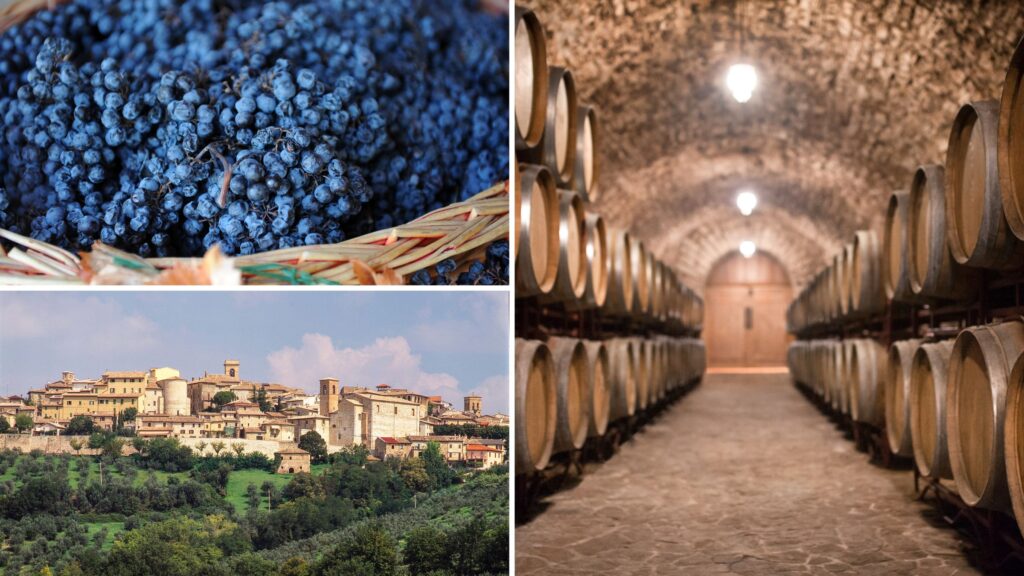
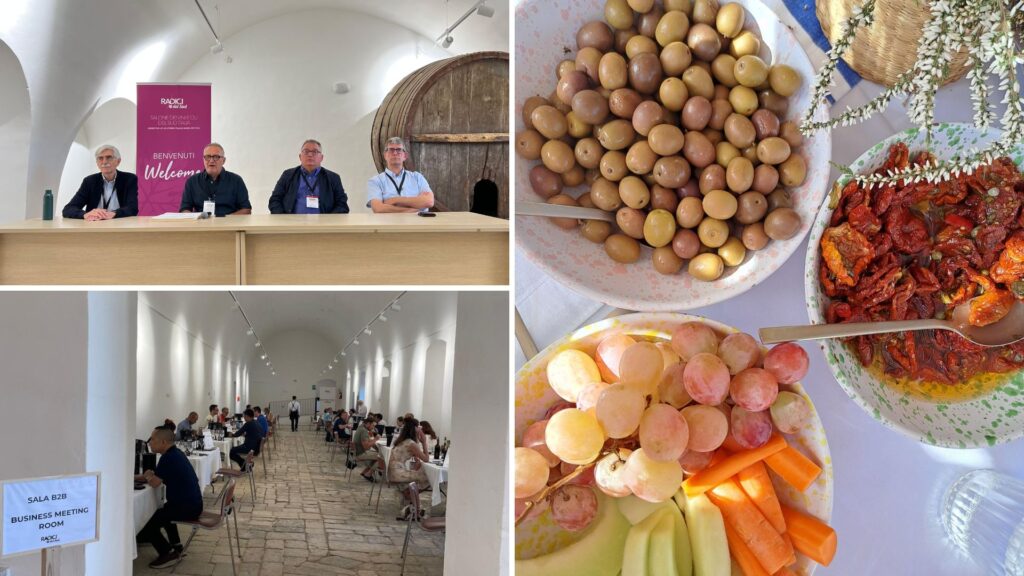
The twentieth edition of Radici del Sud recently concluded spectacularly, marking another milestone for this renowned annual celebration of Southern Italian wine and culinary excellence. Held from June 4–9, 2025, at the historic former Distillery Paolo Cassano in Gioia del Colle, Puglia, this unique gathering brought together wine producers, international buyers, critics, journalists, and passionate consumers to celebrate and promote the authentic flavours of the South.

A Rich History of Southern Italian Wine Promotion

Founded in 2005, Radici del Sud (literally “Roots of the South”) was created to highlight the often-underestimated viticulture of Southern Italy. What began as a showcase exclusively for Apulian wineries has significantly grown over the years to include wines from all Southern Italian regions: Puglia, Campania, Calabria, Basilicata, Sicily, Molise, Abruzzo, and Sardinia.

The event’s mission remains unchanged: to highlight the unique identity of these wines and support producers in reaching international markets. This is achieved through professional tastings, B2B meetings, and conferences that emphasize sustainability and indigenous grape varieties such as Primitivo, Negroamaro, Aglianico, Nero d’Avola, and Greco.

The 2025 Event Experience

This year’s edition offered participants a complete immersion into Southern Italian wine culture. Guided tours on June 5 and 6 introduced guests to historic sites, local cellars, and Mediterranean cuisine at top restaurants. On June 7 and 8, structured B2B meetings paired producers with industry professionals, with about 20 wine producers featured in each session. These intimate exchanges allowed winemakers to tell the story of their wines and present full portfolios.

The festivities concluded on June 9 with a grand tasting featuring more than 100 wine and olive oil producers from Southern Italy. Open to both enthusiasts and industry specialists, this showcase gave importers and visitors the opportunity to discover new products while exploring the beautiful city of Bari.

Wine Competition and Quality Recognition

A highlight of Radici del Sud is its prestigious wine competition, where an international panel conducts blind tastings of hundreds of wines. The judges assess both technical excellence and the ability to express terroir and tradition.

This year’s tasting revealed exceptional quality across categories: Puglian rosés stood out with their bright character, Calabrian whites showed impressive complexity, and Southern Italy’s signature bold reds reaffirmed their distinctive intensity and depth.

Beyond Wine: Celebrating Culinary Heritage

Radici del Sud also celebrates the culinary traditions of the South with cooking shows, tastings, and presentations by chefs and food artisans. This holistic approach reinforces the deep connection between land, wine, and cuisine.

Wine Tourism in Puglia

Puglia has become a top wine tourism destination, as underscored by the event. Most wineries now offer tasting rooms and visitor facilities, while many provide integrated experiences such as cooking classes, wellness programs, vineyard dinners, sunset tastings, and grape harvest participation. With accommodations available at many estates, wine lovers can fully immerse themselves in the local terroir.

A Platform for Southern Italian Excellence

Over two decades, Radici del Sud has become a vital platform for showcasing the hidden gems of Italy’s southern wine regions. In an industry often dominated by northern and central Italian wines, it gives voice to the South, where sun, soil, and centuries of tradition create wines of remarkable character.

The 20th edition once again demonstrated that Southern Italian wines deserve recognition on the global stage. By highlighting authentic, terroir-driven wines and supporting local producers, Radici del Sud strengthens Southern Italy’s reputation as a source of distinctive, high-quality wines rooted in cultural and geographical heritage.

Filippo Magnani

Welsh Wine Industry Thrives Amid Climate Shifts and Strategic Innovation

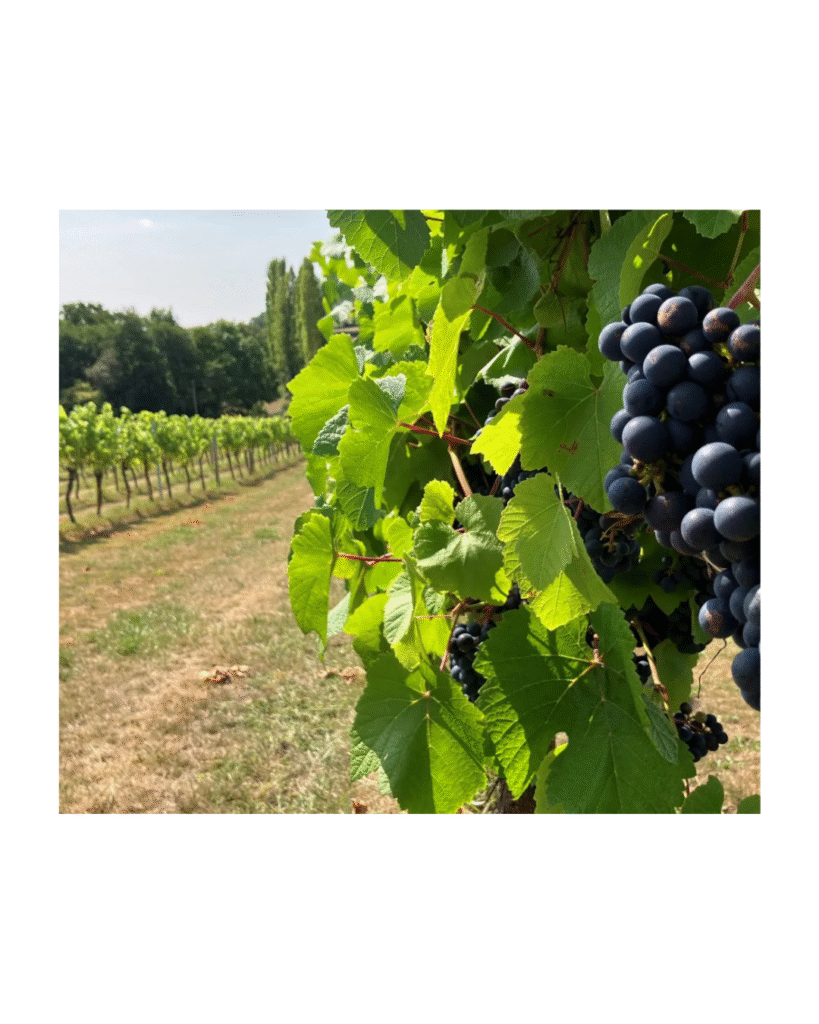
In the rolling hills of Wales, a quiet revolution is underway. Once considered too cold and damp for viticulture, the Welsh countryside is now home to a burgeoning wine industry that is defying expectations and thriving amid climate shifts and strategic innovation.

As global temperatures rise, regions previously unsuitable for grape cultivation are experiencing longer growing seasons and milder winters. Welsh vineyards are capitalizing on these changes, planting varieties that flourish in cooler climates and investing in technologies that enhance yield and quality.

Dr Kate Gannon has researched the impact of climate change on UK wine, said warming temperatures meant Wales had become “more suitable” for wine production, but warned of challenges ahead.

Local winemakers are embracing sustainable farming practices, from organic soil management to water conservation techniques, ensuring that growth does not come at the expense of environmental stewardship. These efforts are not only producing exceptional wines but also positioning Wales as a model for climate-resilient agriculture.

The Welsh wine sector remains small compared to its English neighbour and is made up of micro-producers, but it has been growing rapidly. The Food Standards Agency Wales said 59 vineyards across the country were registered with them at the end of July.

The rise of wine tourism in Wales is another testament to the industry’s success. Visitors are drawn to the scenic vineyards, tasting rooms, and the stories of passionate vintners who are redefining what it means to produce wine in the UK.

With award-winning reds and sparkling wines gaining recognition, the Welsh wine industry is proving that innovation and adaptability can turn climate challenges into opportunities. As the vines of change continue to grow, Wales stands poised to become a key player in the global wine landscape.

Historic Shake-Up: Château Lafleur Exits the Pomerol Appellation

Château Lafleur announced a few days ago that it is withdrawing from both the Pomerol AOC and wider Bordeaux designation from the 2025 vintage, with all six wines in the Société Civile du Château Lafleur group set to become Vins de France.

Here are some excerpts from the Guinaudeau family Letter:

“Climate is changing fast and hard, that much is clear. The vintages 2015, 2019, and above all 2022, were all strong evidence of that. 2025 goes a step further. We must think, readapt, act.”

“Our decision-making and the resulting practices are in fact evolving much faster than what is authorised in our Appellations of Origine system.”

“Consequently, while maintaining the utmost respect for our fellow producers and the appellations of Pomerol and Bordeaux, we have decided to cease adhering to the appellations of Pomerol and Bordeaux beginning with the 2025 vintage.”

“The six wines of Société Civile du Château Lafleur will be designated as Vin de France beginning with the 2025 vintage.”

EU wine, spirits to face 15% US tariff starting August 1

European wine and spirits will face a 15% U.S. import tariff until a different deal is agreed in talks expected to continue in the autumn, the European Commission and EU diplomats said on Thursday, dashing producers’ hopes of an immediate reprieve.

A framework trade deal between Brussels and Washington on Sunday agreed a 15% tariff for most EU imports into the United States, although some sectors were expected to be exempted.

The U.S. tariff on European wine and spirits is currently 10%. Brussels is keen to reduce that to zero or, for wine at least, to the Most Favoured Nation (MFN) rates that are set on a fixed cost per litre basis, rather than in percentage terms.

“The Commission remains determined to achieve and secure the maximum number of carve-outs, including … wine and spirits,” Commission spokesperson for trade Olof Gill said.

“It is not our expectation that wine and spirits will be included as an exemption in the first group announced by the U.S. tomorrow. And therefore that sector will be captured by the 15% ceiling,” he said.

Winemakers said the tariff, even if temporary, would hurt the sector, especially when combined with the stronger euro.

“The 15% duty on EU wines, even if applied for some months until the negotiations are closed, would cause significant economic losses not only for EU wine producers but also for U.S. businesses involved throughout the supply chain,” said Ignacio Sanchez Recarte, secretary general of European wine producers group CEEV.

“When combined with the currency shift in the dollar/euro exchange rate, the overall financial burden on the sector could reach 30%. Investments will be halted and export volumes will decline while waiting for the final agreement,” he said.

U.S. Distilled Spirits Council President and CEO Chris Swonger also urged a quick deal to bring tariffs down to zero.

“It is extremely disappointing and utterly exasperating that the U.S. and EU have not yet come to an agreement on spirits, which is an easy win for the United States that will help secure our economic vitality during this challenging time for the hospitality industry,” Swonger said.

“It is critical for our great American distilleries, farmers and hospitality workers across the country that President Trump secure a permanent return to zero-for-zero tariffs on spirits with the European Union,” he said in a statement.

The U.S. is to publish an executive order on Friday, implementing the framework trade deal that was agreed on Sunday between U.S. President Donald Trump and European Commission President Ursula von der Leyen.

Separately, the EU and the U.S. are to publish a joint statement spelling out the details of the framework deal.

A senior diplomat said that talks on wine and spirits tariffs would continue after the joint statement. “(This will take place) probably in the autumn,” the diplomat said.

Until recently, spirits had benefited from zero tariffs between the U.S. and EU following an agreement in 1997 that also included other countries such as Canada and Japan.

That lasted until 2018, when the EU response to U.S. steel and aluminum tariffs included increased duties on U.S. bourbon and other spirits. These were suspended in 2021.

U.S. MFN rates for wine are 19.8 cents per litre for sparkling and 6.3 cents per litre for most other wines, which equates to very low rates in most cases.

Source:  Reuters