Georgia’s Wine Tourism Boom: $4.6 Billion Forecast Fuels Record Growth and Global Recognition

Nestled among Kakheti’s vineyards and Tbilisi’s age-old streets, Georgia is crafting a narrative perhaps even richer than its famous qvevri wines. Galt & Taggart, the investment firm, now projects that tourism revenue could hit $4.6 billion by 2025, a slight increase from its prior estimate of $4.5 billion. This celebrates a sector that’s not just recovering but really shaping the country’s future economy.

With impressive data from the year’s first nine months, this boost confirms tourism’s role as a powerful engine, attracting foreign investment, creating jobs, and fostering growth that has Georgia doing better than many other countries.

The update, found in Galt & Taggart’s most recent Weekly Investment Review, isn’t just a shot in the dark. It’s based on concrete progress: the National Bank of Georgia shows $3.6 billion in tourism money came in from January to September, marking a 5.1 percent rise year-over-year. The third quarter by itself brought in a dazzling $1.7 billion, up 6.6 percent compared to 2024, suggesting that tourists are choosing Georgia for summer and fall travel. “Based on the actual figures from the initial three quarters of 2025, we expect that tourism income will total $4.6 billion,” the report states, showing how strong demand is, despite some global uncertainty.

Georgia’s Tourism Is a Pillar of Prosperity

Tourism isn’t a minor part of Georgia’s economy; it’s central, supporting foreign currency reserves and providing job opportunities. Since the pandemic, the industry has thrived, with first-half 2025 earnings reaching a record $2 billion, a 3.8 percent increase from 2024, or even more impressive, a 35.4 percent jump over pre-COVID levels in 2019. There are many more direct flights from Europe now, serving both airlines and travellers, and smart marketing showcases Georgia’s mix of Soviet history, Silk Road influences, and Black Sea beaches.

This growth goes hand in hand with wider economic improvements. Georgia’s GDP grew substantially by 9.4 percent in 2024, making it one of the fastest-growing economies. Since 2000, per capita GDP has increased by 370 percent, with predictions from Batumi Projects suggesting it could climb by 500 percent by 2030. Galt & Taggart’s analysts foresee more variety in the future, with specialized tourism like eco-tours and cultural experiences, helping the sector to remain strong into 2026 and beyond. In a region with ongoing conflicts, Georgia’s focus on hospitality is paying off, bringing in reliable income that provides stability and highlights the country’s “peaceful future” goals.

Kakheti’s Wine Tourism Ferments a Luxury Legacy

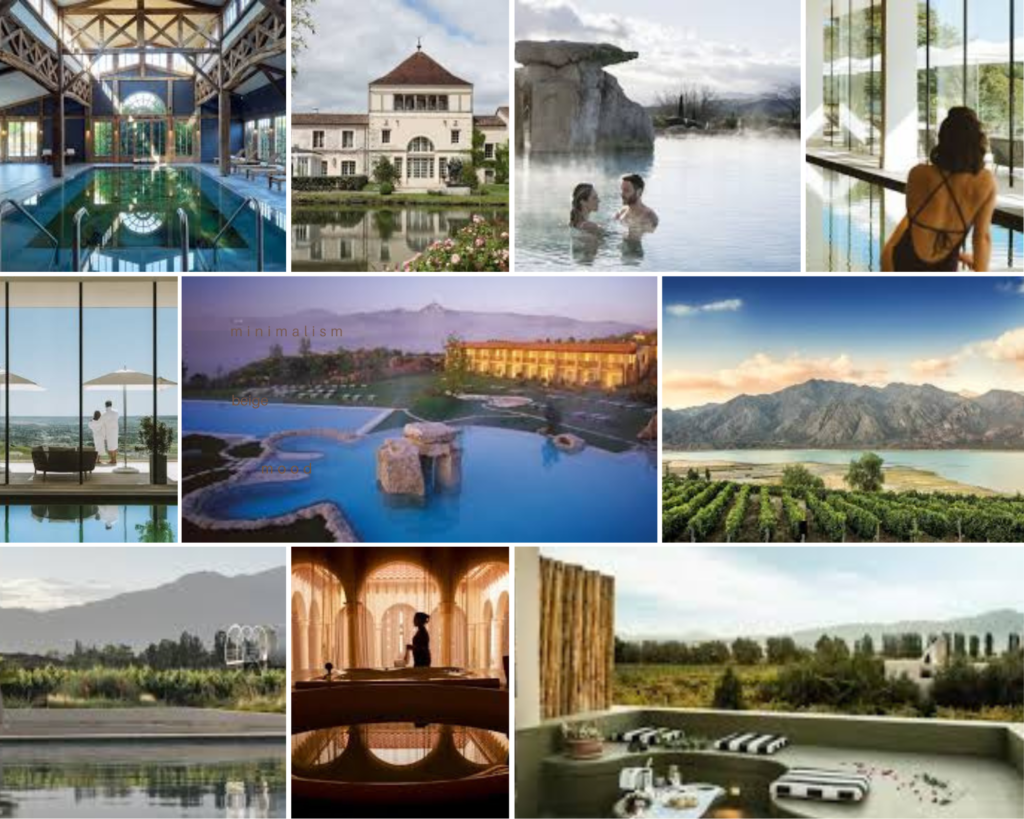
Central to this success is Kakheti, the heart of Georgia in the southeast, and the main area for wine production, creating 75 percent of the nation’s wines. Formerly less known among wine enthusiasts, the area is now attracting high-end visitors seeking a unique and historical “wine experience.”

Wine tourism here is not just about basic tastings; it’s about exploring 8,000 years of history, from wines fermented in clay to exclusive wine cellars also acting as art galleries.

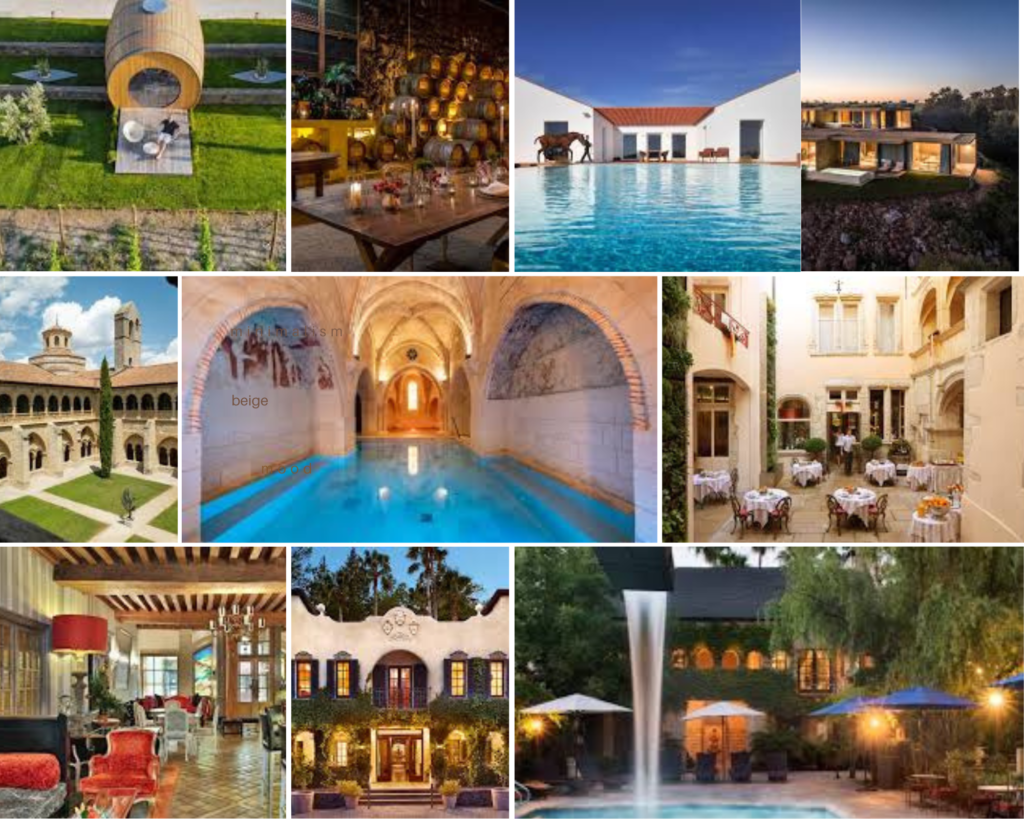
The progress is clear. Between 2020 and 2022, several new wine-focused hotels opened in Telavi, the main town in Kakheti, combining local charm with luxury services. There are about 20 high-quality properties planned nationwide for 2025-2028, turning quiet villages into attractive destinations. This development mirrors the increase in exports; in 2024, 95 million litres were exported, earning $276.1 million, with a 6 percent rise in volume and a 7 percent increase in income. New markets like the UAE (+80 percent), Turkey (+62 percent), and the UK (+42 percent) are embracing Georgian wines, even though Russia still consumes nearly two-thirds of the exports.

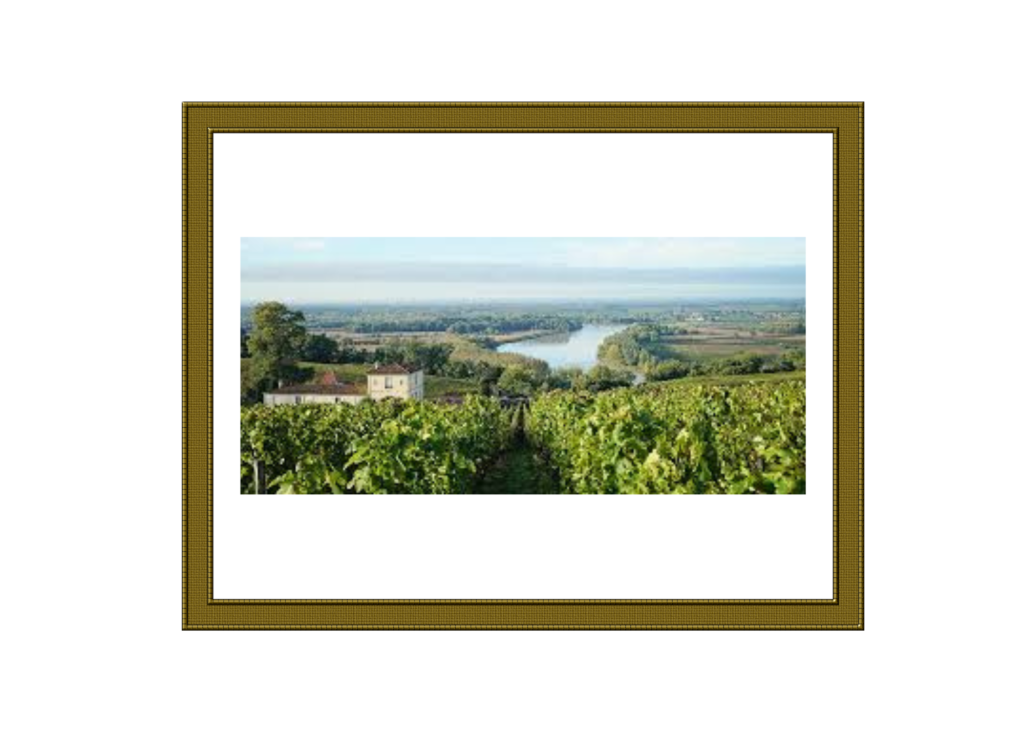
Wine production, Georgia’s second-biggest export sector (after mining), is closely linked to tourism, much like vines on a supporting frame. Visitors don’t just sample the wine; they become part of it, like going on vineyard walks. Perhaps by engaging in traditional winemaking classes or sharing stories of hardship amidst authentic culinary experiences. “Georgians have a strong sense of confidence regarding their viniculture,” is a common sentiment, and this devotion is seemingly proving successful, drawing an affluent demographic which may soon compete with the prestigious wineries of Bordeaux.

Source:  Wine Tourism Review

Canadian-British Wine Journalist Liz Palmer Wins Prestigious 2025 Iter Vitis & Council of Europe Award for Communication

TORONTO, Oct. 23, 2025 /CNW/ – Canadian-British wine journalist, award-winning author, and global influencer Liz Palmer has been honoured with the Best Wine Tourism Communication Award at the internationally recognized Iter Vitis Awards, part of the Council of Europe’s Cultural Routes Programme.

The ITER VITIS Conference, held last week in Thessaloniki, Greece, brought together leading global experts, institutions, and regional representatives to explore how wine tourism can drive sustainable, inclusive, and innovative growth across Europe.

Under the theme “Cultural Vine Tourism in Action: Iter Vitis Best Practices for a Greener, Inclusive, and Innovative Future,” the event celebrated the achievements of the Council of Europe’s Cultural Routes Programme and reaffirmed ITER VITIS’s mission to connect heritage, culture, and sustainability through the language of wine.

The 2025 ITER VITIS Awards Ceremony followed the conference, which honours outstanding achievements in wine tourism, sustainability, innovation and heritage preservation.

The award was presented to Liz Palmer at the Awards Ceremony on October 18, 2025, in Thessaloniki, Greece. Liz Palmer was among 17 international laureates recognized for advancing the preservation of vine and wine heritage and promoting sustainable wine tourism aligned with the Council of Europe’s democratic and cultural values.

Other 2025 laureates included:

  • Best Wine Museum: Hameau Duboeuf, France
  • Best Wine Tourism Event: L’Aperitif du Patrimoine, France
  • Special Award for Safeguarding Ancient Grapes: Dario Gaspar, Croatia
  • Best Sustainable Wine Tourism Destination: Huelva, Spain
  • Best Wine Route: Strada del Vino Marsala, Italy – For revitalizing a historic wine region through coordinated governance, storytelling, and quality standards
  • Best Cooperation Project – International Route of Vermut (Italy / France/ Spain) – For promoting cross-border collaboration and cultural exchange through a shared Mediterranean tradition… and more, celebrating innovation, heritage, and community across global wine regions.

“I am deeply honoured to receive this award from such a respected international organization,” says Liz Palmer. “Promoting the cultural, historical, and sustainable aspects of wine tourism is central to my work, and it is gratifying to see these values recognized on a global stage.”

www.liz-palmer.com

About Liz Palmer

Liz Palmer is a globally recognized wine authority, award-winning author, and influential journalist, shaping the narrative of wine and spirits since 2004. A seasoned judge and digital marketing expert, she blends expertise with innovation to elevate wine tourism and brand storytelling worldwide.

Named among the Top Global Wine Influencers of 2025 and ranked in the Top 20 Social Media Influencers in wine and spirits, Palmer also sits within the Top 1% of LinkedIn’s Industry SSI. Her accolades include the ITER VITIS Award for Best Communication Tool (2025)Dame Chevalier of the Ordre des Coteaux de Champagne, and Keynote Speaker at the UN Tourism Global Conference on Wine Tourism (2024). She serves as Vice President of FIJEV and has judged the World’s Best Vineyards and Canadian Marketing Awards.

Palmer is also the author of the acclaimed The Ultimate Guide to Champagne and has contributed to international wine media for over two decades. She has served as a keynote speaker at global wine tourism conferences, judged international competitions, and actively promotes sustainable wine tourism worldwide. Her work bridges the gap between wine culture, heritage preservation, and the modern digital media landscape.

About Iter Vitis

The Iter Vitis Cultural Route, part of the Council of Europe’s Cultural Routes Programme, connects and promotes wine regions across Europe with deep historical and cultural significance. It fosters cultural exchange, heritage preservation, and sustainable tourism through collaborative initiatives. Since 2018, the Iter Vitis Awards have recognized public and private entities for outstanding contributions to preserving vine and wine heritage.

Website: https://itervitis.eu

SOURCE Liz Palmer Media Group Inc.
Media Contact: liz@liz-palmer.com

The Return of Pink Chardonnay: A Lost Heir Rejoins Champagne’s Noble Lineage

Pink Chardonnay, officially recognized in the Champagne appellation since July 31, 2025, marks a historic return of a nearly forgotten grape variety to its rightful place in the region’s viticultural legacy. A natural mutation of white Chardonnay, this rediscovered gem becomes the eighth authorized grape variety in Champagne, joining the traditional seven and reflecting both heritage preservation and forward-thinking adaptation to climate change.

A Return to Heritage

First identified in the early 1900s in both Champagne and Burgundy, Pink Chardonnay [also known as Chardonnay rose] had long lingered in obscurity. Sustained only by the dedication of a few visionary growers, it was largely confined to experimental collections or isolated vineyard rows. Its inclusion in the French National Catalogue in 2018 conferred official recognition, enabling its propagation and preservation as part of France’s viticultural biodiversity.

Official Recognition and Symbolic Significance

The decision to include Pink Chardonnay in the Champagne appellation’s official specifications symbolizes a renewed commitment to genetic diversity and historical authenticity. Pink Chardonnay is a spontaneous natural mutation, proof that innovation in viticulture can arise organically from nature itself. This recognition not only restores a piece of Champagne’s past but also reflects the region’s intelligence in adapting to new environmental realities.

Viticultural and Oenological Qualities

In both the vineyard and the cellar, Pink Chardonnay closely mirrors its white counterpart. Its agronomic behaviour and oenological performance demonstrate similar freshness, balance, and finesse, qualities that have long defined the elegance of Champagne wines. Yet, beyond its technical attributes, the grape’s deeper value lies in its narrative: a story of rediscovery, resilience, and the enduring dialogue between tradition and innovation.

Diversity Within Continuity

While Pinot Noir, Meunier, and white Chardonnay continue to dominate Champagne’s 34,000 hectares of vines, minority varieties, including Arbane, Petit Meslier, Pinot Blanc, Pinot Gris, and now Pink Chardonnay, account for only 0.5% of total plantings. Their preservation reinforces Champagne’s identity as a living, evolving ecosystem, one that values both its cultural roots and its scientific capacity for renewal.

Learn more at www.champagne.fr

Liz Palmer – Wine Journalist receives the 2025 ITER VITIS + The Council of Europe Award for Communication

“I am thrilled and deeply honoured to receive the 2025 ITER VITIS Award for Communication, recognizing my global advocacy in promoting wine culture, education, and responsible tourism.”

The award was presented a few days ago at the ITER VITIS Conference in Thessaloniki, Greece.  This inspiring event brought together international experts and institutions to explore how wine tourism can drive a greener, more inclusive, and innovative future across Europe.

My heartfelt “Thank You” to ITER VITIS – Cultural Routes of the Vine and Wine, the Council of Europe’s Cultural Routes Programme, and to all those working to preserve and celebrate the cultural, historical, and sustainable heritage of wine.

This recognition reinforces my lifelong commitment to advancing the dialogue between wine, culture, and sustainability – connecting people and places through the shared language of the vine.

Stay tuned for a full press release!

Liz Palmer
Thessaloniki, Greece

Etna Days 2025: Showcasing Etna DOC Wines and Volcanic Terroir

Etna Days 2025 marked a record-breaking edition, celebrating the cultural, environmental, and enological richness of Sicily’s iconic volcano. Hosted at Il Picciolo Golf Resort, Castiglione di Sicilia, the event united global wine professionals for tastings, vineyard visits, and dialogue on the evolution of Etna DOC wines.

This event reinforced Mount Etna as the heart of Sicilian viticulture and a leading European wine region. Held September 18 – 20, it brought together producers, journalists, importers, and wine professionals to explore the terroir, tradition, and innovation shaping Etna DOC. Over ninety wineries showcased the volcano’s diverse microclimates and vineyard districts, highlighting Etna’s expanding global influence.

Francesco Cambria, President of the Consorzio di Tutela Vini Etna DOC, emphasized the event’s deeper purpose: “Etna Days is the culmination of our collective work: over these three days, we want to showcase not just wines, but a cultural heritage and identity that belongs to the volcano’s communities.”

The Venue: Il Picciolo Golf Resort, Castiglione di Sicilia

Nestled among the black lava terraces and verdant vineyards of Etna’s northern slopes, Il Picciolo Golf Resort served as the event’s official venue. Its panoramic setting provided an ideal backdrop for tastings, discussions, and networking. Beyond its picturesque location, the resort represented a synthesis of Sicilian hospitality and the elegance of wine culture; it was a perfect reflection of Etna DOC’s spirit.

Program Highlights: Tastings and Technical Sessions

The program opened with a presentation by the Consorzio, tracing Etna DOC’s historical evolution and strategic direction. This was followed by technical and walk-around tastings showcasing over five hundred Etna DOC wines. From Carricante-based Etna Bianco to Nerello Mascalese-driven Etna Rosso, each wine expressed the minerality, precision, and freshness characteristic of volcanic viticulture.

The tastings served as a critical platform for analysis and exchange, where sommeliers, journalists, and buyers engaged directly with producers to discuss winemaking philosophies, clonal selections, and sustainability practices.

Dining Under the Stars

An unforgettable moment unfolded under the stars at Il Picciolo Golf Resort, where producers, international guests, Management and Jury of the Concours Mondial de Bruxelles all gathered for an evening that celebrated the unity of Etna’s wine community. Local culinary artistry met expressive volcanic wines in a setting illuminated by the night sky and framed by the silhouette of the volcano.

Vineyard and Winery Visits: The Contrade of Etna

The following two days were dedicated to immersive vineyard and winery visits across Etna’s diverse contrade. From centuries-old ungrafted vines to new high-altitude plantings, these excursions revealed the geological and cultural mosaic underpinning Etna’s viticultural identity.

Producers highlighted the challenges of working in such a dynamic environment, ranging from steep slopes to unpredictable volcanic activity, while showcasing innovations in organic farming and micro-vinification. The result was a living laboratory of sustainability, where past and future meet in every glass.

Wineries visited: Benanti, Terra Costantino, Verderame, Terrazze dell’Etna, Bugia Nen, and Murgo.

Etna’s Role as a Global Model

Salvatore Barbagallo, Councillor for Agriculture of the Sicilian Region, described Etna as “a natural laboratory of sustainability and biodiversity.” This year’s event demonstrated how Etna’s producers are redefining quality through ecological awareness and territorial integrity. The initiative, partially supported by the Sicilian Regional Department of Agriculture, illustrated the power of collaboration in promoting regional excellence on an international scale.

Consorzio Director Maurizio Lunetta concluded: “We are recording significant numbers that confirm the international stature of the denomination. The goal for the future is to grow with an integrated vision that goes beyond winemaking, involving hospitality, gastronomy, and typical products.”

Looking Forward To 2026

Looking ahead to Etna Days 2026, the event is poised to further strengthen Etna’s international reputation. The region’s story of resilience, beauty, and innovation continues to unfold, rooted in one of the world’s most remarkable volcanic terroirs.