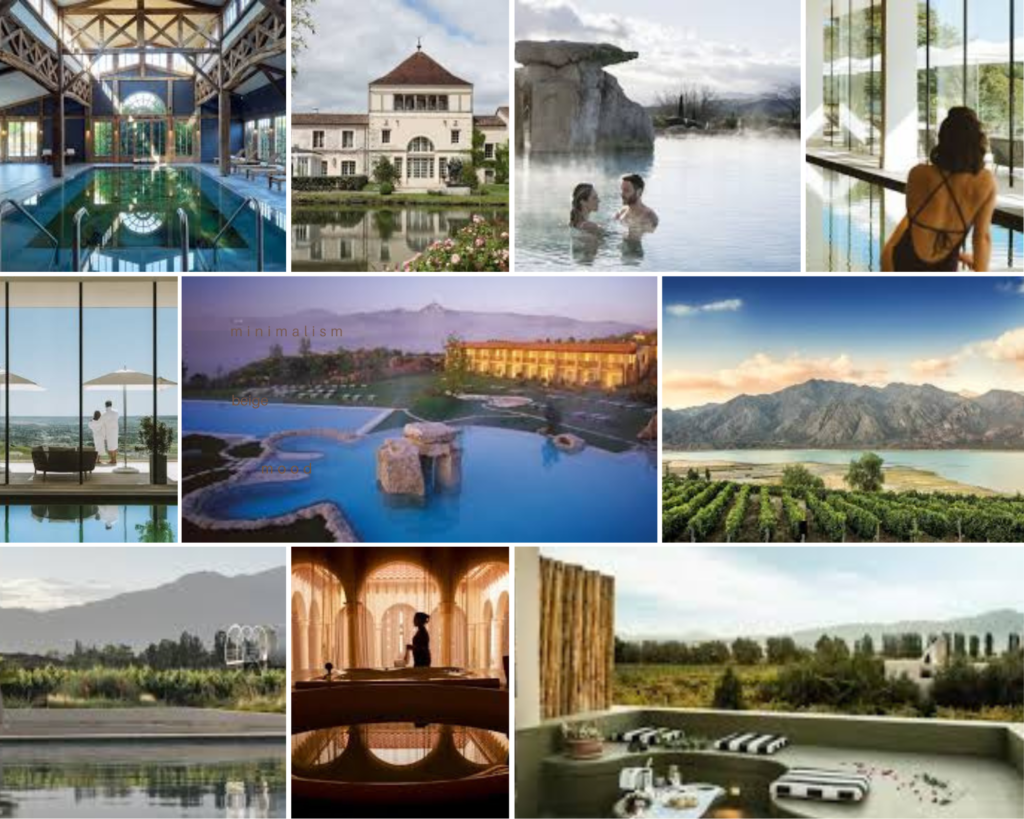
January 2026 Reset: Top Wine Spas to Start the Year in Balance (Part I)

January is the quiet inhale after the excess of the holiday season. Vineyards lie dormant [depending on the hemisphere] travel slows, and intention replaces indulgence. It’s the moment when wine travellers stop chasing novelty and start seeking meaning, and this is where wine spas come into their own.

Wine spas sit at the intersection of wellness and terroir. Drawing on vinotherapy, treatments that use grape skins, seeds, vine extracts, and mineral‑rich waters, they offer an experience that is restorative rather than performative. These destinations don’t simply pamper; they recalibrate.

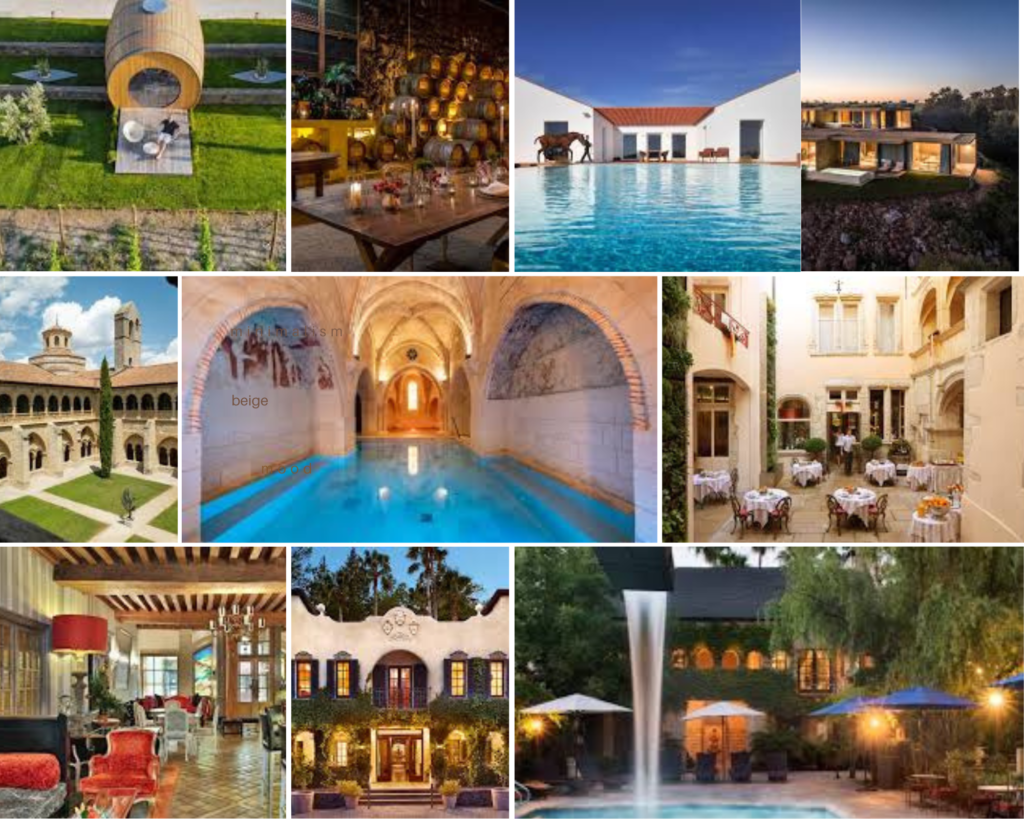
Part One of this two‑part series explores five of the world’s most iconic wine spas, each offering a January escape that blends vineyard culture, spa science, and place‑driven calm.

  1. Les Sources de Caudalie – Bordeaux, France

Why Les Sources de Caudalie leads the category

Often cited as the birthplace of modern vinotherapy, Les Sources de Caudalie is woven into the vineyards of Château Smith Haut Lafitte. Treatments are grounded in rigorous research into grape polyphenols and antioxidants, delivering results without theatrics.

Why winter matters here

Winter in Bordeaux is reflective and restrained. With fewer visitors, tastings become conversations, and spa rituals feel deeply personal.

Recommended January–April
3‑night itinerary

A three‑day stay at Les Sources de Caudalie is designed around gentle immersion. Day one begins with arrival among the vines, followed by a vinotherapy bath and grape‑seed body wrap to unwind after travel. Day two balances wellness and wine culture: a morning facial using grape extracts, a private château tasting in the afternoon, and an elegant dinner paired with Bordeaux crus. Day three is deliberately unhurried, with a final spa ritual, a walk through the winter vineyards, and a relaxed lunch before departure – restored rather than rushed.

Website: https://www.sources-caudalie.com

  1. ADLER Thermae Spa & Relax Resort – Tuscany, Italy

Why it’s exceptional

Set in the Val d’Orcia, ADLER Thermae merges ancient thermal bathing traditions with vineyard‑inspired wellness. The landscape includes rolling hills, stone villages, and winter light – quite magical.

Why go early in the year

Steam rises from outdoor thermal pools as frost settles over the vineyards, creating one of Tuscany’s most cinematic winter moments.

Recommended February–April
3‑night itinerary

At ADLER Thermae, three days unfold at a Tuscan pace. Day one centres on the thermal pools and a grape‑infused massage, best enjoyed outdoors as steam rises against the Val d’Orcia hills. Day two ventures beyond the spa with a guided Brunello di Montalcino tasting, returning for vinotherapy facials and yoga. The final day is reserved for slow rituals – thermal soaking, countryside walks, and a long, unhurried Tuscan lunch that allows body and mind to recalibrate before departure.

Website: https://www.adler-thermae.com

  1. Royal Champagne Hotel & Spa – Champagne, France

Why it belongs on this list

Royal Champagne redefines Champagne tourism through wellness. The spa is contemporary and expansive, with vineyard panoramas that reframe the region beyond celebration.

Why visit early in the year

The region slows dramatically after the holidays, offering intimate cellar visits and uninterrupted spa time.

Recommended January–April
3‑night itinerary

A three‑day escape at Royal Champagne blends restraint with indulgence. Day one begins with the thermal spa circuit and a sunset aperitif, followed by dinner overlooking grand cru vineyards. Day two pairs a private Champagne house visit with a bespoke spa treatment, ending with an elegant dégustation dinner that reframes Champagne as contemplative rather than celebratory. Day three offers a final swim, a leisurely breakfast with vineyard views, and a late checkout—proof that winter in Champagne is as much about calm as sparkle.

Website: https://www.royal-champagne.com

  1. Entre Cielos Wine Hotel & Spa – Mendoza, Argentina

Why Entre Cielos Wine Hotel & Spa stands out

Entre Cielos blends modern design with traditional vinotherapy against the dramatic backdrop of the Andes. Treatments highlight Malbec grape extracts and regional ingredients.

Why this season is ideal

It’s midsummer in the Southern Hemisphere. Vineyards are vibrant, and wellness is paired with energy rather than hibernation.

Recommended January–April
3‑night itinerary

Three days at Entre Cielos capture Mendoza’s energy and elegance. Arrival day includes a grape‑seed scrub and a Malbec‑inspired wine bath to ease into the rhythm of the Andes. Day two explores high‑altitude wineries, followed by a traditional hammam ritual that blends heat, water, and aromatherapy. The final day slows the pace with a vineyard‑view breakfast, light spa treatments, and time to absorb the mountain landscape before departure.

Website: https://www.entrecielos.com

  1. Awasi Mendoza — Argentina

Why Awasi Mendoza is a classic

A Relais & Châteaux property where spa treatments are discreet, personalized, and inseparable from the surrounding vineyards.

Why the early‑year months shine

Warm evenings, private plunge pools, and alfresco dining elevate the sensory experience.

Recommended January–April
3‑night itinerary

A three‑day stay at Cavas Wine Lodge is intimate and deeply personal. Day one begins with an arrival massage and private wine tasting as the Andes glow at dusk. Day two is devoted to vineyard exploration and spa immersion, alternating between Malbec‑focused treatments and long, leisurely meals. The final morning is intentionally quiet – breakfast overlooking the vines, a final soak, and a departure that feels unhurried and complete.

Website: https://www.cavas-wine-lodge.com

These first five wine spas share a seductive commonality: they treat wine not as ornament, but as a tactile, transformative material. The winter months, with their instinct for pared‑back beauty, only heighten their allure. Each destination leans into a kind of quiet luxury – treatments infused with craft, spaces washed in intentional light, and an atmosphere where refinement feels less performed than lived‑in and luminous.

Part Two continues the journey, shifting to Portugal, Spain, Burgundy, and California, where wine spas offer a different expression of wellness shaped by history, architecture, and landscape. Stay tuned!

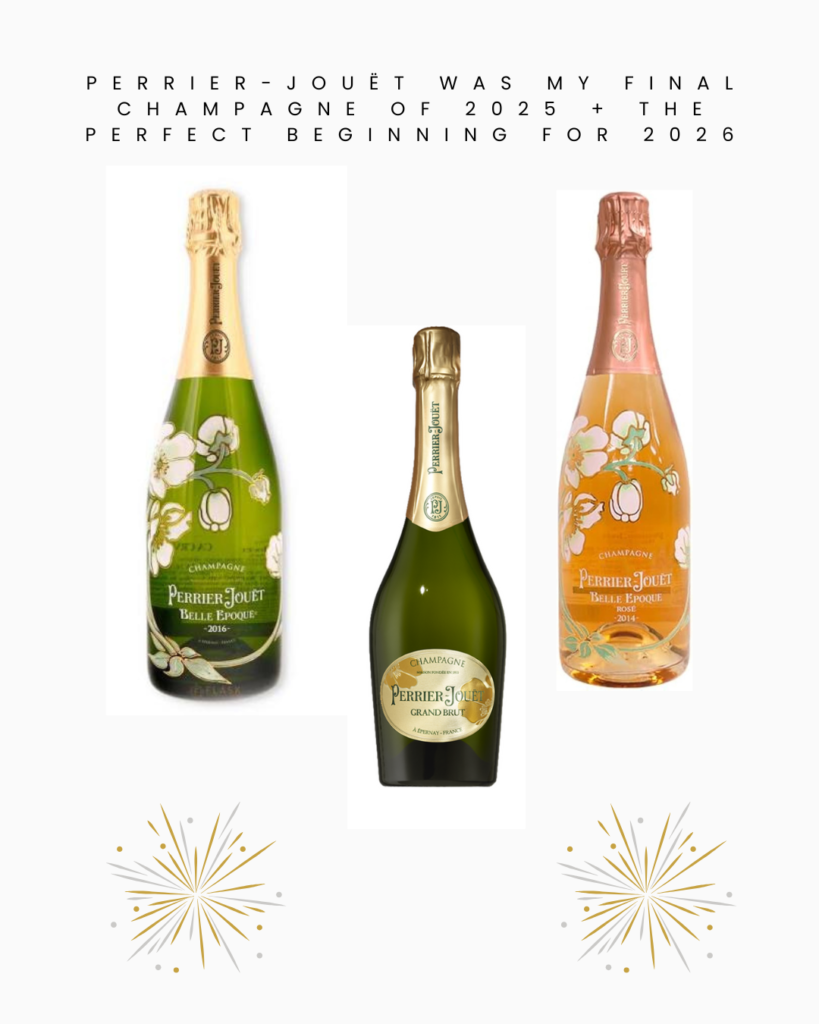
Perrier-Jouët was my final Champagne of 2025 + the perfect beginning for 2026

The final dinner of the year always feels symbolic, a quiet threshold between what has been and what is about to begin. To close 2025 and welcome 2026, I chose Perrier-Jouët. Some Champagnes feel like an occasion before the cork even moves, and Perrier-Jouët belongs to that rare category, a house whose history is inseparable from the aesthetics of refinement.

Perrier-Jouët manages something timeless: honouring tradition while moving confidently into the future. That is exactly the energy a turning year deserves.

A House Defined by Grace

Founded in 1811 in Épernay by Pierre-Nicolas Perrier and Rose-Adélaïde Jouët, the house was shaped from the beginning by discipline and precision. Vineyard selection, controlled yields, and meticulous blending became its quiet signature. Over generations, Perrier-Jouët developed a deep affinity with Chardonnay from the Côte des Blancs, prized for its floral character, purity, and mineral drive.

In 1902, artist Émile Gallé created the iconic anemone motif that now adorns Belle Époque bottles. Far more than decoration, it reflected the philosophy of Art Nouveau: harmony with nature, craftsmanship, and beauty with intention.

Beneath Épernay, Perrier-Jouët’s chalk cellars cradle the wines, regulating temperature and allowing time to do its patient work. The resulting house style is unmistakable: shimmering freshness, fine-boned structure, and delicacy with poise.

Tasting and Food Pairing: Perrier-Jouët Grand Brut Champagne, Perrier-Jouët Belle Époque Brut Rosé Champagne 2014 and Perrier-Jouët Belle Époque Brut Champagne 2016

Perrier-Jouët Grand Brut

Grand Brut is the introduction to the house style. The blend brings together Chardonnay with Pinot Noir and Meunier, balancing lift and generosity.

Aromas recall citrus blossom, white peach, brioche, and a subtle almond note. The palate shows fine mousse, orchard fruit, and a touch of toast, finishing with bright, linear acidity.

Pairing:
We opened this early in the evening with oysters and seafood canapés, effortless, conversational, quietly refined.

Perrier-Jouët Belle Époque Brut Rosé 2014

Belle Epoque Rosé always carries a lyrical quality, and 2014 adds precision and tension. Its pale salmon hue conceals layered depth.

The nose suggests strawberry, blood orange, pomegranate, and rose petals, with delicate pastry tones. The palate is textured and mineral, structured yet graceful.

Pairing:
This was the centrepiece at dinner: duck breast with cherries and roasted potatoes. The wine elevated the dish, harmonizing rather than overpowering.

Perrier-Jouët Belle Époque Brut 2016

Belle Epoque 2016 feels composed and confident. It opens with pear, lemon zest, acacia, and fresh hazelnut. The palate is crystalline and precise, finishing with a saline whisper, proof that great Champagne doesn’t need volume to make its point.

Pairing:
Our midnight bottle. We served it with aged Comté and caviar-topped blinis, salt, richness, and bright acidity coming together in an elegant, poetic final act.

Why Zenato’s Amarone 2019 and Zenato’s Lugana Brut Make the Perfect Holiday Wine Pairing

Why I Chose Zenato’s Holiday Gift Pack

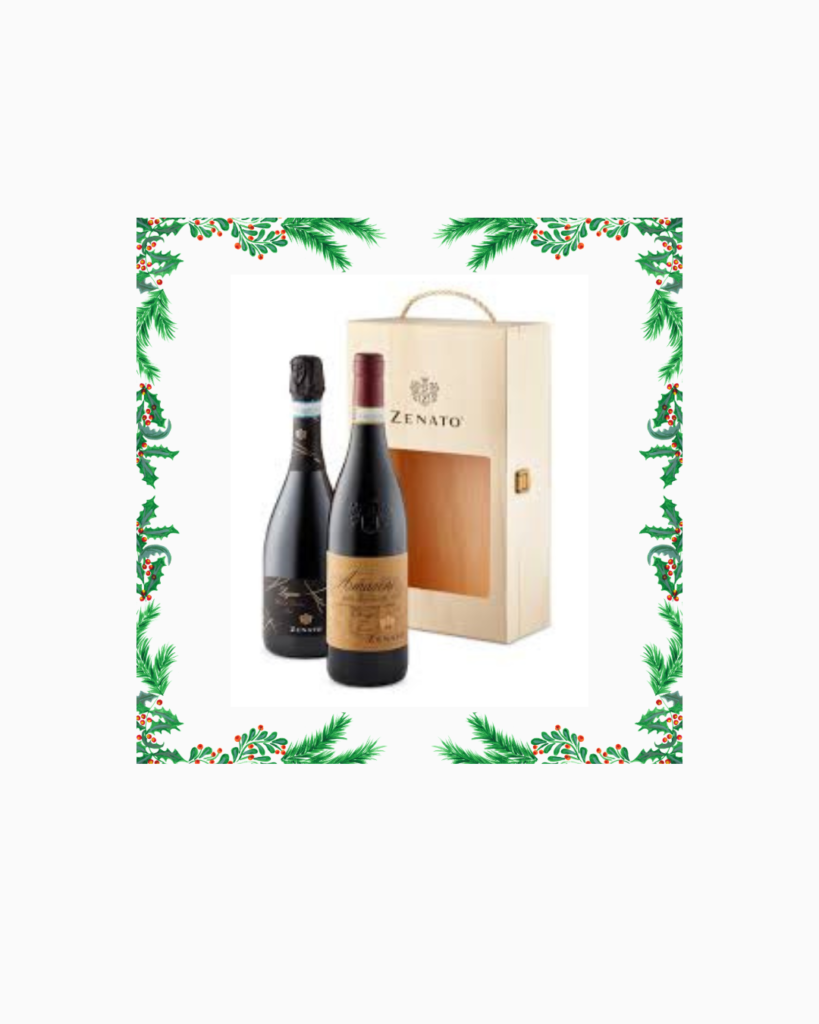
Holiday wine choices need range, not redundancy. Zenato’s two-bottle holiday gift pack, which includes Zenato Amarone della Valpolicella Classico 2019 and Zenato Lugana Brut Classico, delivers that: a refined sparkling white for celebratory openings and a powerful, age-worthy red for the table’s main event.

Lugana Brut Classico brings freshness, finesse, and aperitivo appeal, while Amarone della Valpolicella Classico 2019 offers depth, warmth, and long-form pleasure. Together, they cover the full arc of the holiday season, from first toast to final pour, making this pairing both practical and elevated.

Roots + Terroir

Zenato was founded in 1960 by Sergio Zenato and his wife Carla on the southern shore of Lake Garda, in the village of San Benedetto di Lugana.

From modest beginnings, the estate expanded steadily over the decades. Today, Zenato owns approximately 95 hectares across two key sites: the Santa Cristina estate in Lugana, devoted primarily to the indigenous white grape Trebbiano di Lugana, and the Costalunga estate in the hills of Sant’Ambrogio di Valpolicella, located within the Valpolicella Classico zone, where soils are rich in limestone and clay and distinctly mineral-driven.

This dual identity lies at the heart of Zenato’s philosophy: “The soul of Lugana and the heart of Valpolicella.”

The vineyards benefit from the moderating influence of Lake Garda for white wines, while the varied, elevated terrain of the Valpolicella hills provides ideal growing conditions for red varieties, contributing both structure and complexity.

Under the stewardship of Sergio’s children: Alberto Zenato, who manages production, and Nadia Zenato, who oversees sales and marketing, the estate has refined and expanded its portfolio, blending respect for tradition with modern winemaking precision.

Zenato stands among the most recognized family-owned estates in northern Italy, offering a range that spans crisp whites and sparkling Lugana to structured Ripasso and opulent Amarone, embodying both regional heritage and strong international appeal.

Wine Tourism

Zenato offers winery tours and tastings from San Benedetto, an ideal setting for wine tourism, combining lakeside ambience, vineyard tradition, and easy access from Verona.

With its dual terroirs, Lugana and Valpolicella, visitors can experience two distinct expressions of Veneto wines: refined sparkling and still whites from the lake region, and serious, age-worthy reds from the hills.

As global interest in Italian native grape varieties and sustainable, terroir-driven wines continues to grow, particularly among wine travellers and influencers, Zenato’s long history, regional focus, and family-run authenticity provide a compelling and credible narrative.

Tasting Notes + Holiday Pairings

Zenato Lugana Brut Classico

This wine is made from 100% Trebbiano di Lugana (Turbiana), sourced from lakeshore vineyards.

Tasting Notes:

Fine perlage and an elegant mousse. The colour is pale straw-yellow with subtle golden highlights. On the nose, the wine is bright and clean, showing notes of white flowers, green apple, pear, citrus, a hint of soft stone fruit, and delicate biscuity nuances. On the palate, it is vibrant, with a soft, pleasant mousse and a mineral-tinged finish.

Food Pairing:

Seafood, shellfish, light seafood pasta, and sushi. An excellent aperitivo for the holiday season.

Zenato Amarone della Valpolicella Classico 2019

Zenato’s flagship red is crafted from a selection of Corvina, Rondinella, Oseleta, and a small proportion of Croatina, sourced from vineyards in Sant’Ambrogio. The grapes are dried for approximately four months, pressed in January, and undergo slow fermentation with extended skin contact. The wine is aged for 36 months in large-format Slavonian oak casks, followed by further refinement in bottle prior to release.

This meticulous process results in a complex, full-bodied, and age-worthy wine that stands as a classic expression of Amarone della Valpolicella.

Tasting Notes:

On the nose, the wine is elegant and spicy, with aromas of dark cherries, prunes, and dried fruits, layered with warm spice undertones. On the palate, it is full-bodied, rounded, velvety, and enveloping, offering layers of dark plum, cherry, and cocoa, with a long, lingering finish.

Food Pairing:

This rich Amarone pairs beautifully with grilled or roasted meats, hearty pasta dishes with meat sauces, game, aged cheeses, and rich risottos. It is also excellent as a contemplative “meditation wine” on its own.

Final Perspective

Zenato serves as a strong model for what a mid-century regional winery can evolve into: a producer that successfully balances tradition with modern marketing, local identity with global reach, and focused vineyard expression with diversified terroir experiences – appealing equally to seasoned connoisseurs and the next generation of curious wine travellers.

Why Bottega has earned a place on my holiday table

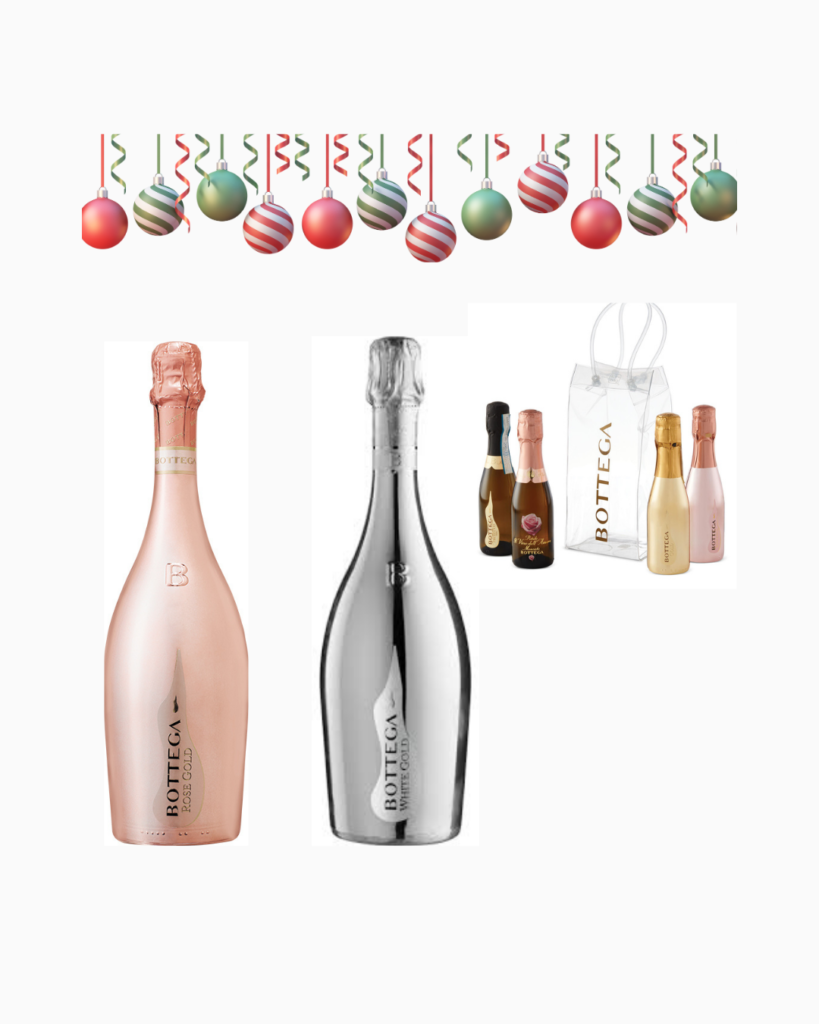
When I curate my holiday sparkling wine selections, I look for producers that balance heritage with contemporary relevance, wines that perform beautifully in the glass, and brands that understand today’s global wine culture – where aesthetics, accessibility, and experience matter as much as craftsmanship. Bottega S.p.A. consistently delivers on all three. Its sparkling wines combine technical precision with visual presence, making them equally compelling for holiday celebrations, intimate gatherings, and gifting. This year, Bottega Rose Gold Brut, Bottega White Gold Venezia, and the Bottega Mini Sparkling Icebag Set stood out for their versatility, polish, and unmistakable sense of occasion – exactly what the holiday season calls for.

Location & Estate Philosophy

Bottega’s main operations are located in Bibano di Godega, near Venice, at the heart of the Prosecco DOC area. Family-owned vineyards remain central to production, anchoring the brand firmly in its Veneto roots.

The estate is surrounded by vineyards and olive groves, set against the gently rolling hills of northern Veneto. It includes:

Vineyards in the Prosecco DOC and DOCG zones, supporting Bottega’s flagship Glera-based sparkling wines

Distillation facilities, reflecting the family’s long-standing expertise in grappa and liqueurs

Ornamental gardens and rural architecture, expressing Bottega’s philosophy of Italian style, sustainability, and aesthetic harmony

Bottega: Venetian Sparkle, Global Ambition, and Wine Tourism

In a region where history clings to the landscape as richly as the wines themselves, Bottega S.p.A. has carved out a distinctly modern identity. While many northern Italian producers lean heavily on medium aevum origins, Bottega’s rise is decisively contemporary.

Instantly recognizable worldwide, Bottega has become synonymous not only with quality sparkling wine, but with its iconic metallic bottles: gold, rose-gold, platinum, and white, designed to capture attention in an increasingly visual wine culture. Distributed in over 150 countries, the brand stands today as one of Italy’s most visible ambassadors of Italian sparkling wine and contemporary lifestyle branding.

Tasting Notes and Pairing

Bottega Rose Gold Brut

Crafted from Pinot Noir, this wine opens with an expressive bouquet of mixed berries, currants, and wild strawberries, layered with delicate floral notes.

On the palate, it is fresh, supple, and finely structured, offering vibrant red fruit flavours supported by balanced acidity and a refined, persistent finish.

It is perfect as an aperitif and pairs effortlessly with vegetarian and fish-based dishes, sushi, and crudités, while also complementing white meats, soft or aged cheeses, and light, fruit-forward desserts. This is a sparkling wine designed for celebration without compromise.

Bottega White Gold Venezia

This wine offers a more linear, mineral-driven expression, wrapped in a polished white-metal bottle that signals elegance before the cork is even pulled. Aromatically, it leans toward white flowers, citrus zest, subtle mineral notes, and a delicate brioche nuance.

The palate is precise and structured, with bright acidity and flavours of lemon curd, green apple, chalk, and delicate pastry notes.

This wine shines as an aperitif and pairs beautifully with seafood, shellfish, risotto, grilled fish, and lighter poultry dishes. Its freshness and restraint make it a sophisticated choice for extended holiday meals and refined entertaining.

Bottega Mini Sparkling Icebag Set

The Bottega Mini Sparkling Icebag Set, featuring Gold, Rose Gold, Vino dei Poeti Prosecco, and Petalo Moscato, represents one of Bottega’s most successful modern innovations. These mini bottles are chic, portable, and impeccably styled, perfectly aligned with contemporary gifting and entertaining trends, making them ideal hostess gifts.

Wine Tourism in 2025

Bottega’s hospitality and tourism initiatives reflect broader shifts shaping global wine tourism in 2025, where immersive storytelling, design-forward spaces, and cultural engagement now define luxury.

Experiences include:

Guided winery tours exploring sparkling wine production, distillation heritage, and vineyard landscapes

The “Bottega Wine & Art” concept, where curated art installations position the winery as a cultural destination blending wine, design, and craftsmanship

Gastronomic tastings and pairings rooted in Veneto’s culinary identity, featuring local cheeses, seafood, and seasonal specialties

High-visibility travel retail experiences extending wine tourism into airports, cruise lines, and luxury hotels worldwide

Bottega in 2025: A Sparkling Holiday Essential

As sparkling wine continues its global rise and wine tourism evolves into a fully immersive lifestyle experience, Bottega S.p.A. occupies a compelling space between tradition and modernity. Its wines offer freshness and precision, its bottles deliver undeniable theatre, and its Venetian-rooted identity provides authenticity. For the holidays and into 2026, Bottega proves that bubbles, substance, and style can exist in perfect balance.

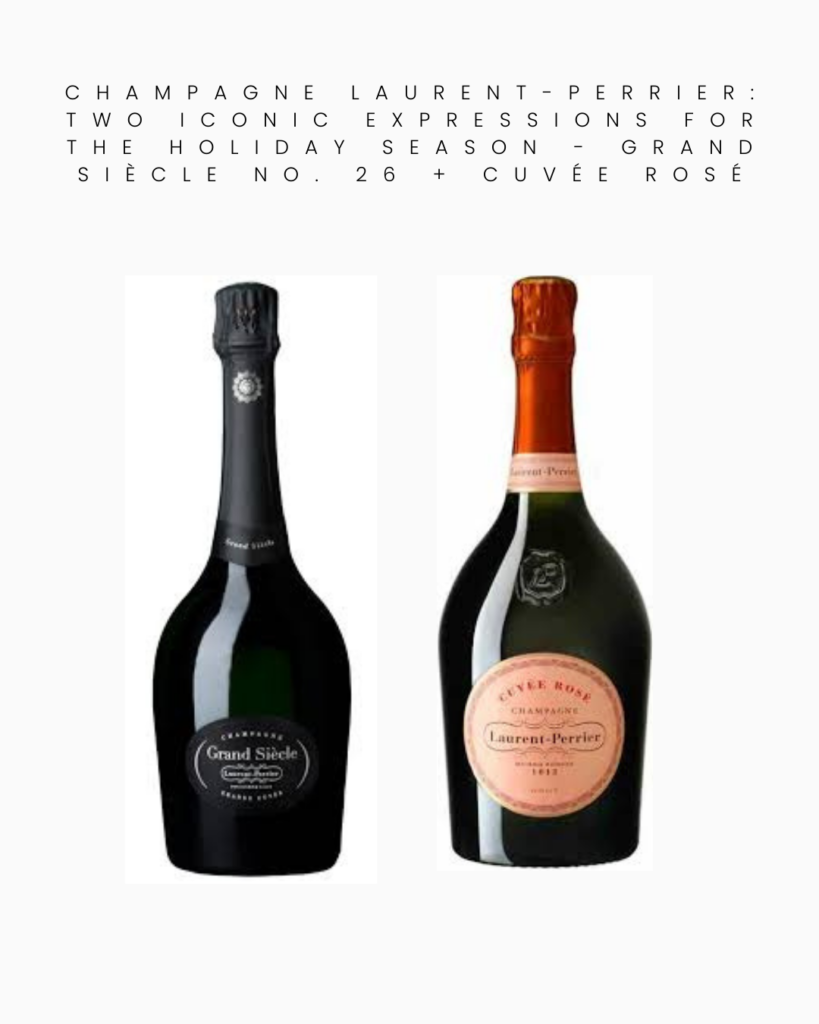
Champagne Laurent-Perrier: Two Iconic Expressions for the Holiday Season

Among the many Champagne houses that balance intellectual rigour with pure pleasure, Laurent-Perrier stands confidently at the top of the pyramid. For the holiday season, two cuvées in particular capture my attention, both for celebratory exuberance and contemplative depth: Grand Siècle No. 26 and Laurent-Perrier Cuvée Rosé. Each expresses a different philosophy of luxury – one built on time, precision, and layered complexity, the other on immediacy, purity of fruit, and joy. Together, they form an ideal festive pairing.

About Champagne Laurent-Perrier

The house known today as Laurent-Perrier traces its origins to 1812, when André-Michel Pierlot, a cooper and bottler from Chigny-les-Roses, established his enterprise in the Grand Cru village of Tours-sur-Marne. His acquisition of vineyard parcels known as Les Plaisances and La Tour Glorieux laid the viticultural foundations for what would become one of Champagne’s most influential independent houses.

Over the course of the 20th century, particularly under the visionary leadership of Bernard de Nonancourt, Laurent-Perrier evolved from a respected regional producer into a global Grande Marque, exporting to more than 140 countries. The house became synonymous with freshness, elegance, and technical innovation, pioneering the use of stainless-steel fermentation and challenging conventions with non-dosé and rosé Champagnes produced by maceration.

Today, Laurent-Perrier remains a family-owned business, continuing to strike a balance between heritage and modernity. Its stylistic identity is unmistakable: Champagne is defined not by power alone, but by finesse, clarity, and restraint.

Tasting Notes

Laurent-Perrier Grand Siècle No. 26

This prestige multi-vintage cuvée is composed of three exceptional years rather than a single declared vintage. Predominantly Chardonnay, complemented by Pinot Noir, it is sourced exclusively from Grand Cru vineyards.

Grand Siècle is built on Laurent-Perrier’s philosophy of creating a “perfect vintage in a bottle.” Extended lees ageing in chalk cellars allows the wine to develop extraordinary depth while preserving freshness. It rewards both patient cellaring and thoughtful immediate enjoyment.

Tasting Profile

On opening, the nose is refined and expressive: brioche, toasted almonds, hazelnut, warm pastry, honeyed nuances, and citrus peel. With time in the glass, additional layers emerge, including candied citrus, white flowers, gentle spice, gingerbread, and a finely etched mineral line. The palate is rich yet controlled, with a creamy, seamless mousse and remarkable balance between acidity and depth. Flavours of toasted nuts, brioche, citrus zest, and subtle stone fruit unfold toward a long, mineral-driven finish. The impression is confident, complex, and quietly powerful.

This Champagne is for slow contemplation and refined holiday meals such as white truffle, veal, fine poultry, or a perfectly roasted turkey. Grand Siècle No. 26 doesn’t shout; it resonates.

97 Points
Liz Palmer

Laurent-Perrier Cuvée Brut Rosé

This non-vintage rosé Champagne is made from 100% Pinot Noir, produced using the saignée (maceration) method, rather than blending in red wine. This technique preserves purity, structure, and aromatic precision.

Vinified with meticulous attention to aromatic clarity, the wine reflects Laurent-Perrier’s hallmark freshness and technical precision. Stainless-steel fermentation and careful lees management deliver intensity without heaviness.

Tasting Profile

In the glass, a delicate salmon-petal hue with fine, energetic mousse. Aromatically vivid, offering freshly crushed raspberries, wild strawberries, red currant, and hints of cherry, accented by subtle florals and a whisper of brioche. On the palate, the texture is silky and rounded, with bright red-berry flavours leading into gentle creaminess, a light mineral edge, and a refreshing, balanced finish.

Charming, expressive, and endlessly versatile, this cuvée rosé shines as an aperitif and pairs effortlessly with seafood, lighter holiday dishes, or even spicy cuisine. It’s festive energy in a glass.

94 Points
Liz Palmer

Wine Tourism

Laurent-Perrier’s headquarters and principal vineyards are located in Tours-sur-Marne, in the heart of Champagne. Its prestigious Château de Louvois, a 17th-century estate associated with Grand Siècle, reinforces the house’s connection to heritage and grandeur. The château’s Orangery, restored in 2023 and awarded the Pierre Cheval Prize, reflects ongoing investment in cultural preservation.

Laurent-Perrier maintains a discreet, curated visitor policy. While public tours are not guaranteed, select visits—often for trade or VIPs—offer access to some of Champagne’s most extensive cellars. In the context of Champagne’s tourism boom following UNESCO designation, Laurent-Perrier appears strategically positioned for high-end, heritage-driven experiences rather than mass visitation.

Reflections: Why Laurent-Perrier Still Matters in 2025

Laurent-Perrier occupies a rare space in Champagne: intellectually serious, technically innovative, yet emotionally accessible. Its willingness to challenge tradition, while respecting it, has shaped a style that is fresh, refined, and enduring. In an era where wine tourism increasingly values authenticity and cultural depth, Laurent-Perrier’s quiet confidence and curated approach feel not only relevant but refreshingly modern.